The Kingdom’s Growing Influence in the World of Sports and Entertainment
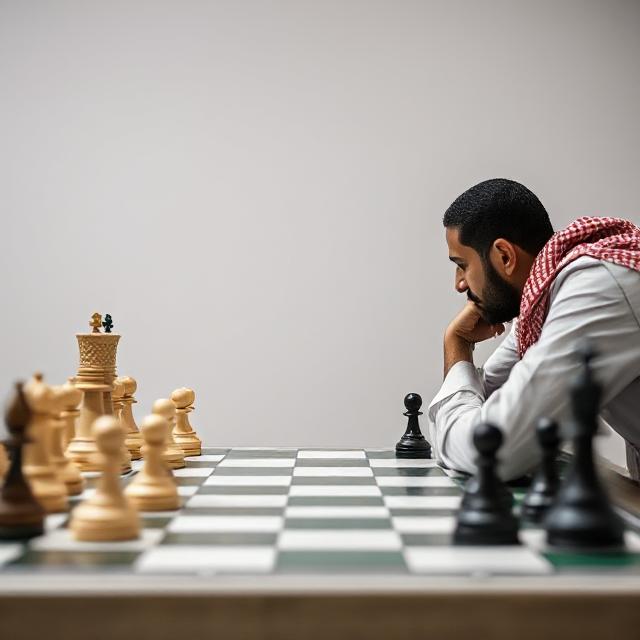
Magnus Carlsen, the world’s top chess player, has become the latest high-profile athlete to partner with Saudi Arabia’s sovereign wealth fund, the Public Investment Fund (PIF), as the kingdom continues to invest heavily in the world of sports and entertainment. The deal, which makes Carlsen the global ambassador for the Esports World Cup in Riyadh, is the latest example of Saudi Arabia’s efforts to rebrand itself as a global hub for sports, tourism, and entertainment.
The Esports World Cup, which kicked off on July 8 and will run until late August, is a seven-week spectacle that features over 2,000 participating players and a record-breaking $70 million total prize pool. The tournament is owned entirely by the PIF, which is chaired by Saudi Crown Prince Mohammed bin Salman, an avid gamer himself. Carlsen’s role as ambassador is part of a broader strategy to lure new fans to the tournament and legitimize Saudi Arabia’s image among sports enthusiasts.
Carlsen’s decision to partner with Saudi Arabia is notable given his limited engagement with the kingdom in the past. In 2017, he won the world championships in rapid and blitz chess in Riyadh, a tournament that was boycotted by his top female counterpart from Ukraine due to Saudi Arabia’s discrimination against women. However, Carlsen’s recent deal with the kingdom suggests that he is willing to overlook these issues in exchange for the financial benefits and global recognition that come with partnering with Saudi Arabia.
Saudi Arabia’s investments in sports and entertainment are part of a broader soft power strategy aimed at rebranding the kingdom as a global hub for tourism, entertainment, and business. Over the past nine years, the kingdom has invested unprecedented sums in a wide range of sports, including boxing, football, and esports. The PIF has also acquired a large portion of the global esports industry, including shares in Nintendo, Electronic Arts, and Activision.
The kingdom’s efforts have paid off, with Saudi Arabia becoming an impossible-to-ignore major player in the global esports market. While some have criticized the kingdom’s efforts as “sportswashing,” a term that describes efforts to use sports as a distraction from ongoing human rights abuses, the reality is more complex. Saudi Arabia’s investments in sports and entertainment are part of a multi-pronged strategy that is part foreign policy, part domestic socialization project.
The kingdom’s strategy is designed to pacify the public with entertainment and material goods, particularly among young Saudis, who make up more than two-thirds of the population. By investing in sports and entertainment, Saudi Arabia is able to stabilize its regime and legitimize its image among international audiences.
Carlsen’s role as ambassador for the Esports World Cup is a significant coup for the kingdom, and it underscores the growing influence of Saudi Arabia in the world of sports and entertainment. With every star who signs on, the regime’s image gleams just a little bit brighter, making it increasingly difficult for critics to ignore the kingdom’s efforts to rebrand itself as a global hub for sports and entertainment.

 The Tower Post