Move comes days after European Commission reprimands Rome for interference; UniCredit cites inability to meet “golden power” conditions
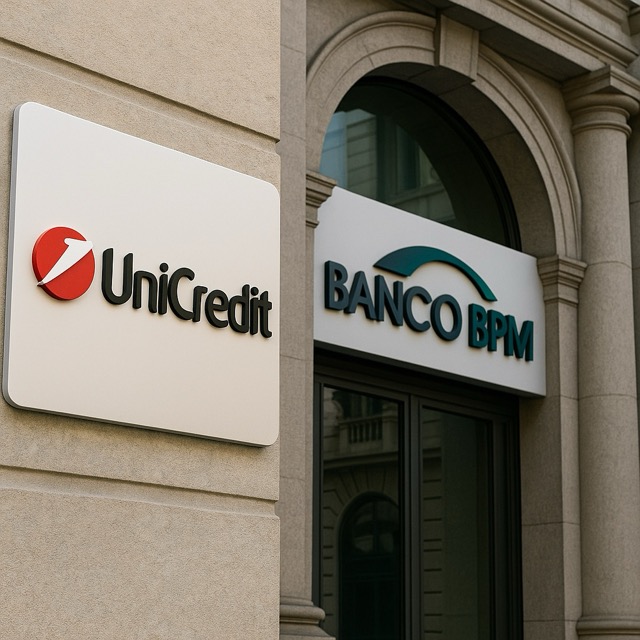
In a surprise announcement, UniCredit, one of Italy’s leading banks, has withdrawn its offer to acquire Banco BPM, citing the impossibility of fulfilling stringent conditions required by the Italian government’s “golden power” regulations. The decision came mere days after the European Commission openly reprimanded Rome for its heavy-handed interference in corporate affairs.
UniCredit’s attempted acquisition had been closely watched as a significant consolidation move in Italy’s banking sector, potentially creating a financial powerhouse capable of competing more effectively on the European stage. However, the Italian government’s deployment of its golden power—a mechanism allowing state intervention in deals involving strategically important companies—proved to be an insurmountable barrier.
In an official statement released this morning, UniCredit explained: ‘Despite extensive discussions and adjustments, the specific conditions imposed under the government’s golden power regulations are such that the acquisition is no longer viable. Therefore, we have made the difficult decision to withdraw our offer.’
The Italian government’s actions had previously attracted criticism from European regulators, with the European Commission recently issuing a stern warning against perceived overreach in national economic interventions. Brussels highlighted that excessive use of golden power provisions could distort market conditions, hinder competition, and undermine investor confidence across the European Union.
Banco BPM, Italy’s third-largest lender, had been seen as an attractive target for UniCredit due to its extensive customer base, solid regional presence, and potential for operational efficiencies. Market analysts viewed the merger as beneficial for both banks, providing scale and reinforcing their positions in a rapidly evolving European financial landscape.
This sudden withdrawal has sparked concerns among financial analysts about the future implications for other potential mergers and acquisitions within Italy and beyond. Luigi Mancini, a financial market expert at Milan’s Bocconi University, remarked, ‘This event signals a worrying trend. It could severely dampen investor enthusiasm and reduce Italy’s attractiveness to international capital.’
Responding to criticism, the Italian government defended its actions, asserting that golden power rules are necessary to protect key national interests. However, international observers worry that such protectionist measures may ultimately isolate Italy economically, making the country less appealing for global investors.
In response to the recent developments, both UniCredit and Banco BPM saw significant stock movements, reflecting market unease and uncertainty. UniCredit’s shares initially dropped but stabilized later, while Banco BPM experienced heightened volatility as investors reassessed the bank’s future strategic options.
As the dust settles, Italy faces renewed scrutiny from European regulators. Analysts anticipate further tension between Rome and Brussels unless clearer guidelines and constraints around golden power usage are established. The implications of this failed acquisition bid may reverberate throughout Europe’s banking industry, potentially reshaping the landscape of future cross-border financial mergers.




 The Tower Post