A web of deceit and exploitation lies beneath the surface of high-end fashion
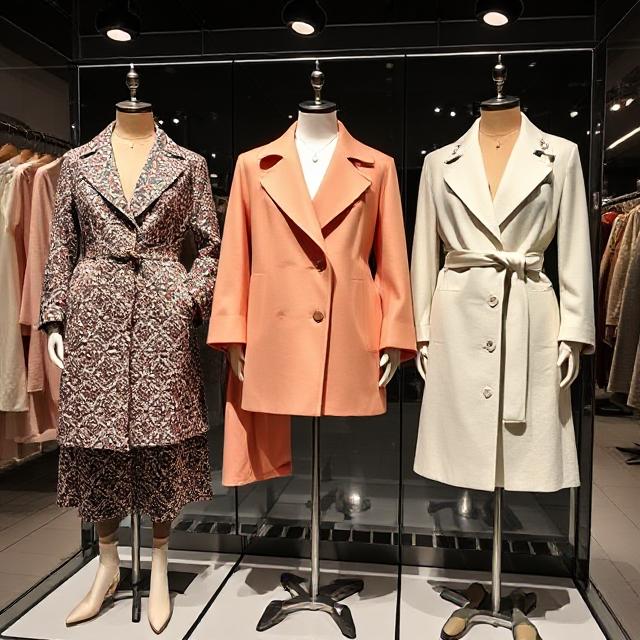
The ‘Made in Italy’ label has long been synonymous with high-quality manufacturing and luxury goods. However, a series of investigations has revealed a disturbing truth: the industry’s dark underbelly of worker exploitation and unfair labor practices. Luxury fashion brands such as Loro Piana, Armani, and Dior have been accused of outsourcing production to external companies, which in turn subcontracted work to workshops paying workers as little as €4 an hour.
The latest scandal involves Loro Piana, a 100-year-old Italian brand that sells cashmere jumpers for thousands of euros. An investigation by Milanese prosecutors found that the company had outsourced production to a Chinese-operated fashion company, which subcontracted work to two other companies operating on the outskirts of Milan. The workers, including undocumented migrants, were forced to work up to 90 hours a week for minimal pay.
Loro Piana has denied any wrongdoing, stating that it was unaware of the subcontractors and had terminated its contract with the supplier within 24 hours of being informed. However, this is not the first time the company has faced allegations of worker exploitation. In 2023, a Bloomberg investigation alleged that Loro Piana had underpaid Indigenous Peruvian workers who supply vicuña wool.
The issue is not limited to Loro Piana. Other luxury brands such as Armani and Dior have faced similar allegations of worker exploitation and unfair labor practices. In February, Armani and Dior were placed under court monitoring in Italy for alleged worker exploitation. Armani was accused of paying €93 for a €1,800 handbag, while Dior was accused of paying €53 for a €2,000 handbag.
The luxury industry’s supply chain is complex and opaque, making it difficult to track the origin of goods. However, critics argue that the industry’s reliance on subcontracting and outsourcing has created a system that is ripe for exploitation. Deborah Lucchetti, national coordinator of the Italian segment of Clean Clothes Campaign, says that luxury is based on a production system that prioritizes cost reduction and profit maximization over worker welfare.
“This is an illusion,” Lucchetti says. “Luxury is not sustainable by nature. It’s a system that exploits workers and prioritizes profits over people.”
The consequences of these scandals are still unclear, but one thing is certain: the luxury industry’s reputation has taken a hit. With tariffs, wars, and a volatile financial market contributing to a slowdown in demand, the industry is facing a perfect storm. Whether consumers will continue to buy into the luxury brand’s image of exclusivity and quality remains to be seen.
One thing is clear, however: the industry’s reliance on subcontracting and outsourcing has created a system that is ripe for exploitation. As Lucchetti notes, the phenomenon of worker exploitation is structural in nature and cannot be resolved through voluntary protocols or financial penalties alone. It requires a fundamental shift in the way the industry operates, prioritizing worker welfare and fair labor practices above profits.
“We need to address the root causes of the problem,” Lucchetti says. “Unfair commercial practices and predatory prices imposed by brands on suppliers are the root of the problem. We need to change the system, not just the rules.”




 The Tower Post