21 months of conflict fail to eliminate Hamas or rescue hostages; critics and allies demand accountability amid rising civilian death toll
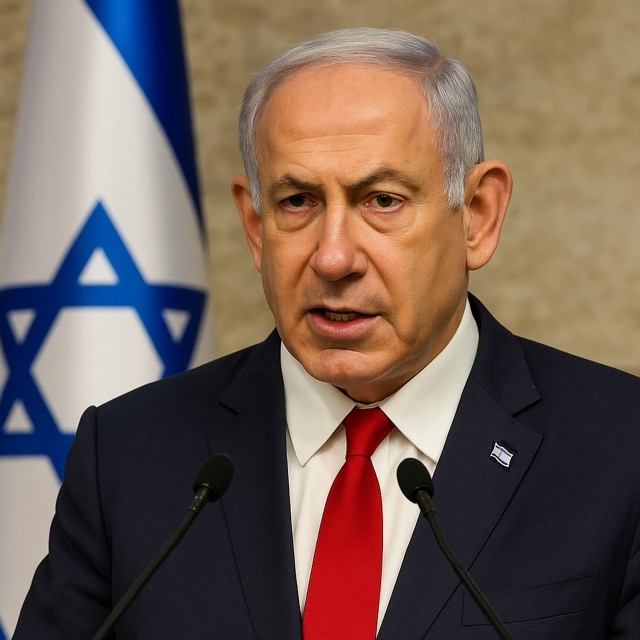
After 21 relentless months of military action in Gaza, Israeli Prime Minister Benjamin Netanyahu remains unwavering in his belief that only force can dismantle Hamas and free the remaining hostages held by the militant group. However, as Gaza lies devastated, the objectives Netanyahu vowed to achieve remain out of reach, leading to mounting criticism both domestically and internationally.
The military campaign, launched nearly two years ago, was intended to eradicate Hamas’ infrastructure and capabilities. Despite overwhelming firepower, the militant organization still maintains operational capabilities and continues to hold hostages, creating an enduring nightmare for families awaiting news of their loved ones. The conflict has led to nearly 60,000 Palestinian deaths, according to local health officials, and reduced vast areas of Gaza to rubble.
While Netanyahu continues to assert that military pressure is the only effective strategy, frustration grows among Israel’s closest allies. Western governments, traditionally supportive of Israel’s right to self-defense, are increasingly alarmed by the humanitarian catastrophe unfolding in Gaza. Diplomatic tensions have escalated, with allies pressing Israel to reconsider the high civilian toll caused by continuous military operations.
Criticism is mounting domestically as well. Opposition leaders, human rights activists, and even former members of Netanyahu’s cabinet argue that the prime minister’s relentless pursuit of military solutions is driven by political motivations rather than strategic necessity. ‘Lives are being sacrificed for political goals,’ stated Avi Cohen, a former advisor to the government. ‘This approach is unsustainable and morally indefensible.’
Israel’s military strategy has also come under scrutiny by international humanitarian organizations. Reports from Gaza indicate extensive destruction of critical infrastructure, including hospitals, schools, and civilian housing, prompting widespread condemnation and calls for accountability. The United Nations has repeatedly expressed grave concern over the deteriorating humanitarian situation.
Netanyahu, however, remains defiant. In recent public statements, he has argued that easing military pressure would only allow Hamas to regroup and pose renewed threats to Israeli security. ‘We have no choice but to see this mission through,’ Netanyahu declared earlier this week. But patience, even among his political allies, appears increasingly strained.
Amid the rising death toll and widespread devastation, public opinion in Israel is beginning to shift. A growing number of Israelis question whether the government’s strategy is effectively addressing security concerns or simply perpetuating a cycle of violence and retaliation. Weekly demonstrations calling for an immediate end to hostilities and a diplomatic solution are becoming commonplace in major Israeli cities.
As Gaza’s humanitarian crisis deepens, international pressure on Israel to pursue diplomatic solutions intensifies. Analysts warn that continued military action without a clear endgame risks not only further alienating Israel from its allies but also prolonging human suffering without achieving any tangible objectives.
Ultimately, Netanyahu faces a critical juncture. Whether he adapts his strategy in response to growing international condemnation and domestic dissent or continues on the current course could have profound implications not only for Gaza and Israel but for regional stability and global diplomacy.




 The Tower Post