Martin Wolf argues the conflict’s outcome will shape not just Ukraine, but the future of European liberal democracy.
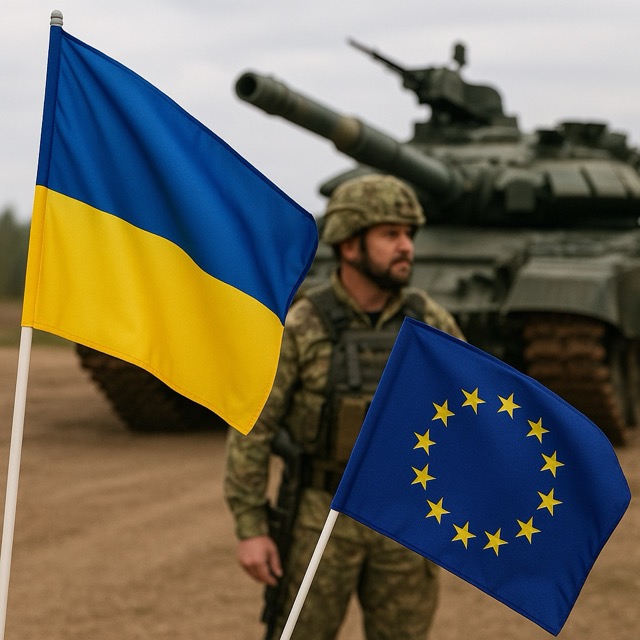
As the war in Ukraine continues into its prolonged and bitter stages, renowned journalist and economist Martin Wolf contends that the outcome could influence more than just Ukraine’s national future. In his latest analysis, Wolf argues that this conflict has become a defining moment for Europe and the very principles of European liberal democracy itself.
The battle between Ukrainian forces and Russian troops has proven to be a closely matched contest. With both sides entrenched and making incremental gains, the role of resources—military aid, financial support, and international solidarity—has grown increasingly crucial. Ukraine’s resilience has surprised many observers, but experts now worry about the sustainability of Kyiv’s efforts without a more robust commitment from its allies.
According to Wolf, the Western response thus far has been significant, but potentially inadequate for a decisive Ukrainian victory. “While support from NATO allies, particularly the United States and European Union member states, has been substantial, it may not be sufficient to decisively tip the balance in Kyiv’s favor,” Wolf writes. The underlying question is whether Western nations are willing to escalate their support or risk witnessing a prolonged conflict with unpredictable consequences.
The importance of this conflict extends far beyond Ukrainian territory. Wolf highlights that a Ukrainian defeat, or even a stalemate, could embolden authoritarian regimes elsewhere, challenging the stability of liberal democracies throughout Europe. He stresses that Europe’s political identity, rooted in democratic values and the rule of law, is directly tested by Russia’s aggressive actions.
Leaders within the EU acknowledge the critical stakes. European Commission President Ursula von der Leyen recently underscored that “Ukraine’s fight is Europe’s fight,” urging member states to increase their logistical, military, and economic assistance. Yet, despite strong political rhetoric, internal divisions and varying levels of commitment persist, complicating a unified response.
Military analysts suggest that the key to victory may lie in continued and escalated provision of sophisticated weaponry, advanced technology, and sustained financial backing. However, as the war drags on, concerns about “aid fatigue” among allied nations are rising. The economic strains from supporting Ukraine amidst domestic inflation and energy crises have begun influencing public opinion and political decisions in many countries.
Moreover, Wolf argues that allies must prepare for long-term strategic commitments, not merely short-term assistance. “This is a war that could define the next several decades of geopolitical alignments and democratic resilience,” he states. Ukraine’s victory or defeat, therefore, symbolizes much more than territorial sovereignty—it represents the viability of democratic ideals in an increasingly contested global order.
As Ukraine continues its struggle against Russian aggression, allies face a moment of reckoning. Will they match their commitment with the resources necessary to ensure Ukraine’s success? The answer, according to Wolf, will resonate far beyond Kyiv and could shape Europe’s political landscape for generations.

 The Tower Post