Surging data center demand drives electricity prices to historic levels in America’s largest power grid
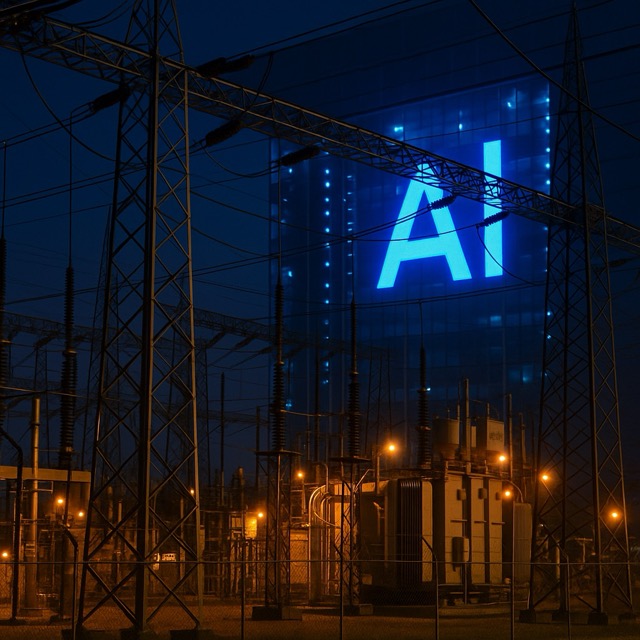
WASHINGTON, D.C. – The cost of supplying electricity in America’s largest power market is set to reach record highs, driven by skyrocketing energy demand from data centers powering artificial intelligence systems. Industry analysts warn that the AI boom, while revolutionizing sectors from healthcare to logistics, is putting unprecedented strain on the U.S. energy infrastructure.
The Pennsylvania-New Jersey-Maryland (PJM) Interconnection, which coordinates the movement of electricity across 13 states and the District of Columbia, has reported a dramatic increase in electricity pricing forecasts for the second half of 2025. This surge, experts say, is largely attributable to the rapid expansion of hyperscale data centers essential for training and operating advanced AI models.
“We’re witnessing a seismic shift in electricity demand,” said Rachel Kim, an energy economist at GridWise Analytics. “AI models, particularly large language and vision systems, require immense computing power, and those servers don’t sleep. The electricity usage is both massive and constant.”
According to PJM’s latest projections, electricity prices could climb as much as 30% above last year’s peak rates. Data centers now account for nearly 20% of peak demand in some regions, a figure that has more than doubled since 2022. This growth is forcing grid operators to rethink capacity planning and investment timelines.
Major tech companies such as Microsoft, Google, and Amazon have all ramped up AI infrastructure investment, with some campuses expected to consume as much power as small cities. While renewable energy is being deployed at an accelerated pace, it has not kept up with the surging appetite for AI processing power.
The Federal Energy Regulatory Commission (FERC) has acknowledged the challenge, calling for urgent upgrades to the U.S. grid. “Data center growth is outpacing our ability to expand and modernize transmission networks,” said FERC Chair Richard Glick. “We must adapt our regulatory framework or risk energy shortages and higher costs for all consumers.”
Environmental groups have raised concerns about the long-term sustainability of the current growth model. Despite increasing use of solar and wind, many data centers still rely on natural gas during peak periods. Critics argue that without stricter efficiency standards and cleaner energy integration, the AI boom could undermine emissions goals.
At the same time, industry advocates argue that AI holds the key to energy optimization itself. AI-driven models are being used to forecast demand, reduce transmission losses, and automate grid maintenance. “This is not a zero-sum game,” said Elena Morales, CTO of GridAI Solutions. “AI can actually make the grid smarter and more resilient—if deployed responsibly.”
Policymakers are now being urged to strike a balance between supporting innovation and ensuring energy affordability. With new data center projects planned across the Midwest and Southeast, regional power markets may soon follow PJM in facing severe capacity pressure.
As artificial intelligence continues to reshape the global economy, its unseen energy cost is emerging as one of the key infrastructure challenges of the decade. Whether America’s power grid can keep pace remains an urgent and unanswered question.




 The Tower Post