Over 500 organizations lobbied the White House and Congress in just six months as artificial intelligence reshapes industry and regulation.
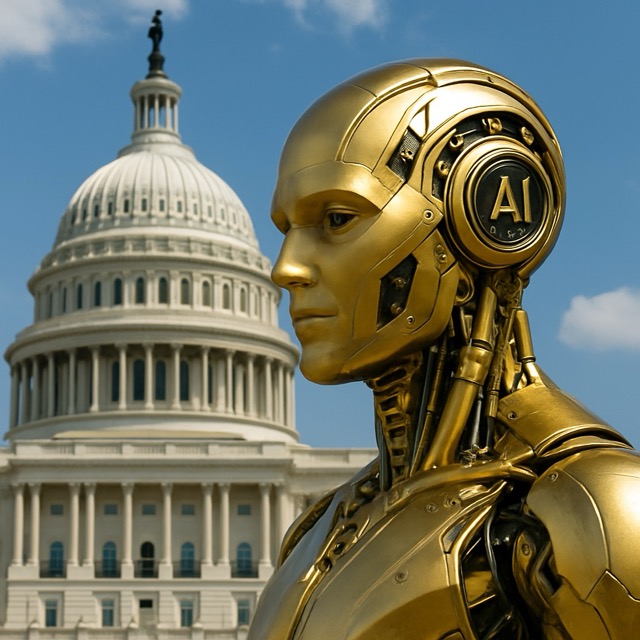
Washington, D.C. – As artificial intelligence rapidly transforms sectors from healthcare to defense, companies and interest groups are racing to shape the rules that will govern the powerful technology. More than 500 organizations lobbied the White House and Congress over AI-related issues between January and June this year, reflecting an unprecedented surge in political engagement.
The boom in AI capabilities and applications has fueled not only commercial excitement but also concern over regulation, safety, national security, and ethical governance. With policymakers still grappling with how best to regulate a technology that evolves faster than legislative cycles, the lobbying landscape has become fiercely competitive.
Major tech giants like Google, Microsoft, Amazon, and Meta are among the most active in lobbying efforts, seeking to influence emerging policies that could define the future contours of the AI market. These companies are pushing for balanced regulations that support innovation while addressing risks. Meanwhile, hundreds of smaller firms, advocacy groups, academic institutions, and civil society organizations are also making their voices heard, warning of unchecked corporate influence and urging safeguards for privacy, fairness, and accountability.
According to federal lobbying disclosures, the volume of AI-related lobbying filings has more than doubled compared to the same period last year. Experts attribute this jump to heightened awareness within both the tech industry and Washington following high-profile events such as congressional hearings with AI developers and executive branch initiatives to draft regulatory frameworks.
“This is one of the most aggressive waves of lobbying Washington has seen on a tech issue since the early days of the internet,” says Laura Michaels, a policy analyst at the Center for Digital Governance. “Everyone wants a seat at the table—and for good reason. The stakes are massive.”
The White House has responded by issuing an AI Bill of Rights blueprint and launching collaborative efforts with allies to ensure safety and transparency in global AI development. Yet, critics argue that without concrete legislation, many of these efforts remain symbolic.
On Capitol Hill, lawmakers are advancing proposals that would introduce binding rules for AI deployment in critical areas such as employment, national security, and consumer protection. Still, bipartisan consensus remains elusive, with debates ongoing over how to balance innovation and risk mitigation.
At the same time, public sentiment is evolving. While many Americans welcome AI for its convenience and economic potential, fears over surveillance, job displacement, and misinformation persist. These concerns have provided fuel for advocacy groups pressing for a people-first approach to AI governance.
The coming months will be pivotal. As lobbying efforts intensify, the challenge for Washington will be to craft meaningful, enforceable legislation that both harnesses AI’s benefits and protects the public from its pitfalls. With hundreds of voices in the mix, the future of AI policy remains uncertain—but its importance to American society and global competitiveness is indisputable.




 The Tower Post