A showcase on Rome’s Sant’Angelo Bridge raises questions about the use of sacred imagery in secular contexts
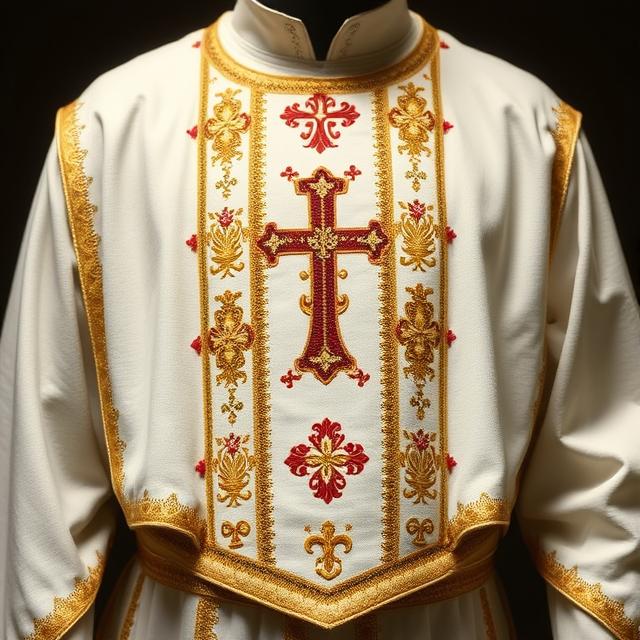
Dolce & Gabbana’s recent fashion show on Rome’s Sant’Angelo Bridge has sparked a heated debate about the use of Catholic imagery in secular contexts. The luxury brand’s “Alta Sartoria” collection, inspired by Catholic liturgical garb, was showcased on July 15, 2025, in front of Castel Sant’Angelo, an ancient papal fortress.
The collection featured designs with clear ties to traditional Catholic liturgical clothing, including white, lace shirts similar to a priest’s chasuble or the surplice worn by altar servers. Crosses were heavily featured in the collection, and some models wore or carried what appeared to be Catholic objects such as rosaries, thuribles, and metal incense burners used at Mass and other liturgical celebrations.
According to information from the fashion brand, the collection aimed to strike a balance between solemnity, devotion, discipline, and aesthetic codes. The designs were inspired by the craftsmanship and beauty of traditional Catholic vestments, and the brand’s designers, Domenico Dolce and Stefano Gabbana, drew inspiration from the rich history and tradition of the Catholic Church.
However, not everyone was pleased with the fashion show’s use of Catholic imagery. Theology student Nicola Camporiondo, who has 12,800 followers on Instagram, called the fashion show a “usurpation” of a spiritual and liturgical heritage for the purpose of entertainment and “a mere commodification of the sacred.” Camporiondo argued that the fashion show’s use of Catholic symbols was a way to exploit the faith for commercial gain, rather than a genuine expression of devotion.
On the other hand, Father Alberto Ravagnani, a 31-year-old priest of the Archdiocese of Milan, was “very much in favor” of the show, seeing it as a way to give value to tradition. He noted that the fashion house’s use of Catholic symbols “pays homage to [the Catholic] tradition” and highlighted the craftsmanship of the brand’s clothing as a skill that has otherwise been lost from Italian culture.
Father Alberto Rocca, a priest of Milan who has collaborated with Dolce & Gabbana, also defended the show, saying it was “very reductive” to see it only as fashion and not as art. He highlighted the brand’s use of traditional Italian craftsmanship and its ability to create beautiful things as a way to collaborate in God’s work.
Rocca, who is also the director of the Ambrosian Pinacoteca, a Milan art gallery, noted that the Dolce & Gabbana show was part of a larger cultural movement that seeks to revive and celebrate traditional Italian craftsmanship. He argued that the brand’s use of Catholic symbols was a way to connect with the country’s rich cultural heritage and to create a sense of continuity with the past.
The debate surrounding the Dolce & Gabbana show raises questions about the use of sacred imagery in secular contexts. While some see it as a way to give value to tradition and to create beautiful things, others view it as a commodification of the sacred and a disrespect to the Catholic faith.
As for Dolce & Gabbana, the brand declined a request from CNA to comment on the controversy surrounding the show. However, the brand’s designers, Domenico Dolce and Stefano Gabbana, have always used certain religious symbols because they are part of the Italian context and they are Catholics.
The Dolce & Gabbana show was part of a three-day Roma 2025 haute couture event that also included the unveiling of a jewelry collection and a fashion show inspired by mythology, Ancient Rome, and Italian 1950s cinema. The event was held in Rome, a city steeped in history and tradition, and featured some of the most iconic landmarks and cultural institutions in the city.
The controversy surrounding the Dolce & Gabbana show highlights the complex and often contentious relationship between faith and fashion. While some see the use of sacred imagery in secular contexts as a way to connect with tradition and to create beautiful things, others view it as a commodification of the sacred and a disrespect to the faith.
In the end, the Dolce & Gabbana show serves as a reminder of the power of fashion to shape our perceptions of the world and to influence our values and beliefs. Whether or not one agrees with the brand’s use of Catholic imagery, it is clear that the show has sparked a much-needed conversation about the role of faith in fashion and the importance of respecting the sacred.

 The Tower Post