From Béziers to Nîmes and Limoges: Nighttime ban until September aims to curb juvenile delinquency
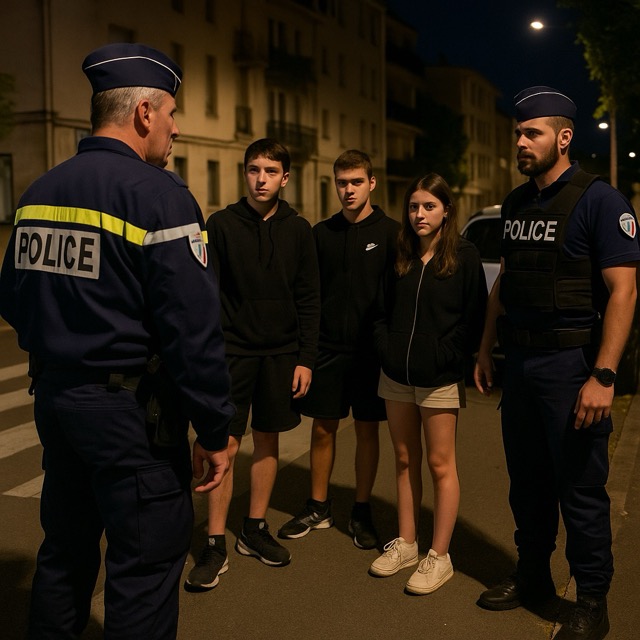
In an unprecedented attempt to curb escalating youth delinquency, fifteen French cities have enacted nighttime curfews specifically targeting minors. The measures, ranging from Béziers to Nîmes and Limoges, will remain in force until September, marking an aggressive stance by local authorities in the face of increasing concerns over youth-related crime and violence.
A Summer Under Lockdown
Starting immediately, teenagers in these cities must stay indoors from 11:00 PM until 6:00 AM. Authorities justify this exceptional measure by citing alarming increases in juvenile criminality, vandalism, and gang-related violence. In Béziers alone, officials reported a 35% rise in juvenile offenses since last year, prompting Mayor Robert Ménard to describe the curfew as “a necessary response to an extraordinary crisis.”
Cities including Nîmes and Limoges have similarly reported spikes in youth crime. In Nîmes, local police have struggled to control an epidemic of street violence involving teenagers, prompting local officials to follow Béziers’ lead. Limoges Mayor Émile Roger Lombertie has publicly backed the curfew, asserting it will “bring order and safety back to our streets.”
Controversial but Necessary?
The curfew, however, has ignited a heated national debate. While many citizens and local businesses welcome the move, others worry about its potential infringement on civil liberties and stigmatization of young people.
Civil rights organizations have voiced strong objections, asserting the measure disproportionately impacts marginalized communities. Claire Dubois, spokesperson for the French League of Human Rights, stated that “curfews criminalize youth unnecessarily and fail to address the underlying social issues that drive crime.”
Yet, public opinion appears largely supportive. In recent polls, over 60% of citizens in affected areas expressed approval for curfew implementation. Some parents expressed relief, seeing it as a means to protect their children from the increasing threat of gang violence.
Policing and Enforcement
Local police departments have stepped up patrols to enforce the curfew, with initial reports indicating significant compliance. In Béziers, police chief Laurent Bernard confirmed the first weekend saw only minor infractions, attributing early success to community support and intensive information campaigns.
Nevertheless, enforcement brings logistical challenges. Critics have highlighted the strain placed on police resources and questioned the sustainability of this approach in the longer term.
Addressing the Root Causes
Experts warn that the curfew, while potentially effective in the short term, risks being a temporary solution unless accompanied by broader measures to tackle the socio-economic root causes of youth delinquency.
Dr. Sophie Martin, a sociologist specializing in youth behavior at the University of Montpellier, argues that “without significant investment in education, youth services, and employment opportunities, curfews risk merely pushing criminal activity underground.”
Looking Ahead
With the curfew set to remain in place until September, the French government will closely monitor outcomes before deciding on further actions. Interior Minister Gérald Darmanin has indicated that authorities will carefully evaluate data from these cities to determine if similar measures should be expanded nationally.
As France grapples with its youth crime challenge, this summer’s curfew could represent a turning point—one that tests the balance between security and civil liberties.



 The Tower Post