A multi-billion-pound bet on nuclear energy finally gets the green light—thanks to a blend of public-private financing, political will, and strategic diplomacy.
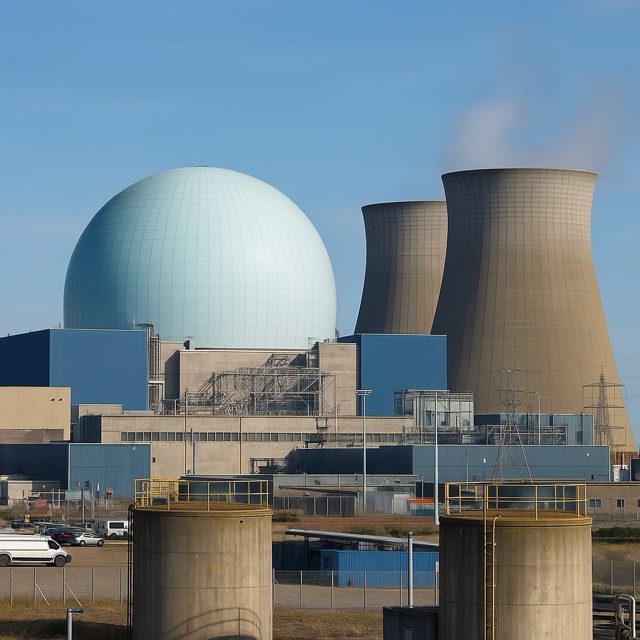
After more than a decade of planning, delays, and diplomatic maneuvers, the UK government has finally locked in crucial investment for Sizewell C, a controversial but pivotal nuclear power station on the Suffolk coast. With a price tag estimated at £20 billion, the project is one of the most ambitious and costly infrastructure undertakings in recent UK history. But with concerns over energy security, net-zero commitments, and the geopolitical volatility of fossil fuel markets, the government’s resolve never wavered.
The road to securing funding was anything but smooth. Multiple foreign investors—including Chinese state-owned China General Nuclear (CGN)—initially backed the project alongside France’s EDF. However, amid rising tensions with Beijing and mounting national security concerns, the UK sought a new direction, ultimately pushing CGN out of the development equation. The government’s challenge was then to fill the resulting financial gap without derailing the project.
Enter the Regulated Asset Base (RAB) model, a financing structure borrowed from the water and rail sectors, where consumers help fund large-scale infrastructure via energy bills. This model gave private investors a more predictable return and reduced their financial risk. It marked a turning point in negotiations. In 2022, the UK government pledged £700 million in direct investment—the first time it has taken a stake in a nuclear project in over 30 years.
The strategic involvement of British pension funds was another decisive move. By framing Sizewell C as a long-term, stable investment aligned with ESG (Environmental, Social, and Governance) goals, the government attracted institutional investors seeking low-risk, sustainable assets. The project’s branding shifted from nuclear burden to green opportunity.
This multi-pronged approach—public funding, regulatory innovation, geopolitical recalibration, and green investment appeal—culminated in a final investment decision in 2024. EDF and UK government officials confirmed that construction would begin within the year, with completion aimed for the early 2030s. Once operational, Sizewell C is expected to supply low-carbon electricity to six million homes for at least 60 years.
Critics, however, warn that ballooning costs, waste management, and construction delays could still threaten the project’s promise. Environmental groups continue to oppose the site’s coastal location, citing threats to biodiversity and local communities. Nevertheless, the political narrative has shifted decisively in favour of nuclear energy as a ‘bridge’ technology to net zero.
As Europe contends with energy instability and climate imperatives, Sizewell C is being watched closely as a bellwether for the continent’s nuclear revival. For the UK, it symbolizes more than just power generation—it’s a statement of energy independence, industrial ambition, and environmental pragmatism. With shovels finally poised to break ground, the UK’s nuclear renaissance is no longer just theoretical. It’s concrete.




 The Tower Post