Widespread Floods, Landslides, and Infrastructure Damage Highlight Urgent Need for Enhanced Resilience
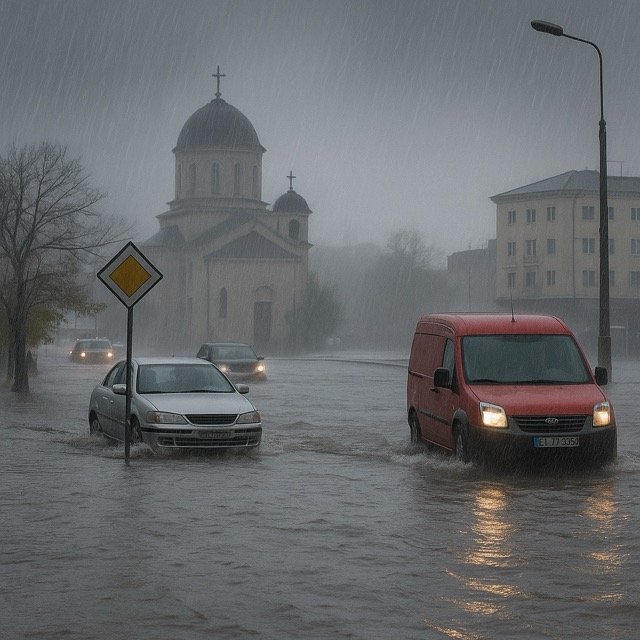
Since early July 2025, southeastern Europe has been battered by a series of severe weather events that have left Romania, Turkey, and Albania reeling. Torrential downpours, driven by an unusually persistent low-pressure system, have caused rivers to burst their banks, triggering flash floods and landslides across both urban and rural areas. Local authorities report that over 50 towns and villages have experienced road washouts, power outages, and the destruction of critical infrastructure, underscoring vulnerabilities in preparedness and early warning systems.
In Romania, the Siret and Prut rivers surged to record levels, inundating entire communities in the historical region of Moldavia. Emergency services have evacuated more than 3,000 residents from low-lying areas, while dozens of schools and health centers remain closed due to flood damage. The town of Roman, a key transit hub, saw its main bridge collapse under the force of rushing waters, severing vital supply lines. “We have never witnessed water this high,” said Mayor Elena Popescu, noting that volunteer rescue teams are working around the clock to support stranded families.
Across the Black Sea in northern Turkey, authorities in the provinces of Samsun and Trabzon are reporting widespread landslides. Steep slopes sprayed with runoff have engulfed several mountain villages, trapping residents and blocking highways. Turkish disaster relief agency AFAD has deployed over 1,200 search-and-rescue personnel, supported by helicopters that are airlifting the most vulnerable to safety. Health officials confirm at least 28 fatalities and over 100 injuries so far, with the toll expected to rise as rescuers reach remote hamlets cut off since the storms intensified.
Albania, although historically prone to seismic events, is increasingly vulnerable to hydrological hazards. Last week’s deluge overwhelmed drainage systems in the coastal city of Vlora, where floodwaters submerged neighborhoods and forced the closure of the Port of Vlora—the country’s third-largest maritime gateway. Heavy rainfall also triggered landslides near the ancient town of Berat, damaging UNESCO-protected sites and prompting calls for urgent cultural heritage assessments. Prime Minister Fredi Rama announced a state of emergency, mobilizing the army to reinforce river banks and distribute drinking water to isolated communities.
Across the region, power grids have suffered significant disruptions. In Romania, more than 120,000 households remain without electricity, exacerbating heat-related health risks in the wake of summer’s peak temperatures. Turkish energy providers report that over 80 substations were taken offline due to flood damage, leaving up to half a million consumers without power. The Albanian transmission network has similarly faltered, with rolling blackouts implemented to prevent further system overloads. Experts warn that restoring full functionality could take weeks, heightening public frustration and economic losses.
Governments on all three fronts have appealed for international assistance. The European Union’s Emergency Response Coordination Centre (ERCC) has dispatched assessment teams and is coordinating member-state offers of relief supplies and specialized equipment. The United Nations Office for the Coordination of Humanitarian Affairs (OCHA) has also warned of an impending health crisis, as stagnant floodwaters threaten to spread waterborne diseases. Red Cross societies in Romania, Turkey, and Albania are pre-positioning medical kits and clean water rations to mitigate the risk of cholera and dysentery outbreaks.
Climate scientists are linking this spate of extreme weather to broader shifts in atmospheric dynamics. Dr. Maria Ionescu, a meteorologist at the University of Bucharest, explains that increased sea-surface temperatures in the Mediterranean and Black Sea basins have intensified evaporation rates, fueling heavier precipitation when moisture-laden air masses collide with continental systems. “We are witnessing a new normal where single events can unload hundreds of millimeters of rain in 24 hours,” she warns, urging policymakers to integrate climate resilience into infrastructure planning.
Local communities are showing remarkable solidarity amidst the chaos. In Romania, agricultural cooperatives have lent tractors and boats to aid flood relief operations, while Turkish villagers are erecting makeshift shelters to accommodate displaced neighbors. In Albania, citizens have organized grassroots fundraisers to support heritage site restoration and provide emergency housing. Such acts of communal solidarity have provided a ray of hope, even as rebuilding looms as a daunting task for cash-strapped national budgets.
As Southeast Europe begins the arduous process of recovery, attention is turning to long-term adaptation strategies. Proposals include reinforcing river embankments, upgrading drainage systems, and revising land-use regulations to restrict construction in flood-prone zones. Experts also advocate for enhanced cross-border cooperation on early warning networks and joint emergency drills. Whether these measures will be implemented in time to prevent the next catastrophe remains to be seen—but one lesson is clear: the storms of July 2025 have laid bare the urgent need for a resilient response to nature’s escalating challenges.




 The Tower Post