Unpacking the complexities of human nature and the role of culture in shaping our moral compass
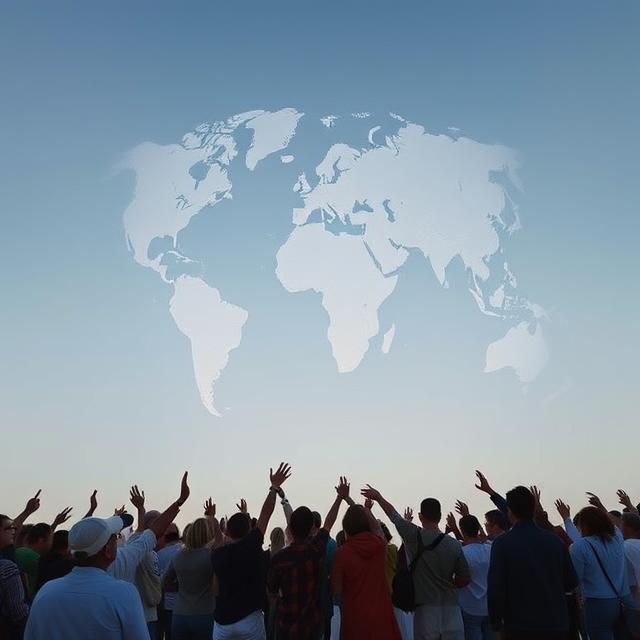
In a world that often seems to reward narcissism, the concept of altruism can be a double-edged sword. On the one hand, science suggests that humans are hardwired for selflessness, with our brain’s first job being to keep us alive and our very structure predisposing us to be empathetic towards others. Our brains are designed to respond to the needs of others, with studies showing that we are more likely to help someone in distress when we perceive them as similar to ourselves. This innate altruism is thought to have evolved as a means of promoting cooperation and group survival, as seen in the example of hunter-gatherer tribes where individuals worked together to ensure the well-being of the group.
However, the idea that we should always put ourselves first, as exemplified by the pre-flight safety briefing instruction to put on our own oxygen mask before helping others, can be seen as a troubling life philosophy. This instruction is not just a practical necessity, but also a reflection of a broader cultural trend towards individualism and self-interest. In many Western societies, the cult of the self has become a dominant force, with individuals prioritizing their own needs and desires above all else.
According to Dr. Steve Taylor, a senior lecturer in psychology at Leeds Beckett University, the assumption that competition means humans are inherently cruel, ruthless or selfish has been normalized by elements of psychology, economics and biology. However, new research paints a more optimistic picture, challenging the notion that we only ever prioritize ourselves. Take the “bystander effect,” which suggests that people typically avoid intervening in a crisis when others are nearby. Yet, studies have shown that people are actually more willing to prioritize others’ safety over their own in many situations.
Research has also shown that even infants as young as 14-18 months will go out of their way to help others and cooperate in order to achieve a shared goal, and that young children will do this even if there’s no reward on offer. This innate altruism is not limited to children, as studies have found that regular volunteers are 40% less likely to develop high blood pressure than those who don’t frequently volunteer, and that altruism has even been associated with a reduced risk of mortality. In fact, research has shown that helping others can have a range of physical and mental health benefits, including lower blood pressure, improved mood, and increased self-esteem.
But what drives our altruistic tendencies? According to Dr. Ching-Yu Huang, director of the Cambridge Alliance of Legal Psychology, our experiences and culture play a significant role. In collectivistic cultures, such as many Asian countries, people prioritize the good of the wider group over themselves, whereas in individualistic cultures, such as the US and UK, people tend to prioritize their own needs. This cultural difference can have a profound impact on our behavior, as seen in the example of Dr. Huang herself, who was brought up to prioritize others in her collectivistic Taiwanese culture but found it more acceptable to prioritize herself in the individualistic US and UK.
Dr. Huang’s research has also shown that people living in collectivistic cultures are more likely to wear masks during the Covid-19 pandemic, indicating a greater inclination to protect others. In contrast, people living in individualistic cultures may be more likely to prioritize their own needs and ignore the risks to others. This highlights the complex interplay between culture and altruism, and the need for a more nuanced understanding of how our values and behaviors are shaped by our cultural context.
Ultimately, the key to true altruism lies in recognizing that it’s okay to look after ourselves too. As Dr. Taylor notes, “There’s such a strong association between wellbeing and altruism that it would be foolish not to live altruistically.” However, we must also acknowledge that our decisions and behaviors are influenced by a wide range of factors, from culture to our own “moral mediocrity.” By understanding these complexities, we can develop a more nuanced approach to altruism, one that balances our desire to help others with our own needs and limitations.
This approach requires a deep understanding of our own motivations and values, as well as a willingness to acknowledge our own limitations and vulnerabilities. It also requires a recognition of the complex interplay between culture and altruism, and the need for a more nuanced understanding of how our values and behaviors are shaped by our cultural context. By embracing this complexity, we can cultivate a more authentic and meaningful form of altruism, one that is grounded in a deep understanding of ourselves and our place in the world.



 The Tower Post