Controversial ‘Toro de España’ Plan Sparks Political and Cultural Debate
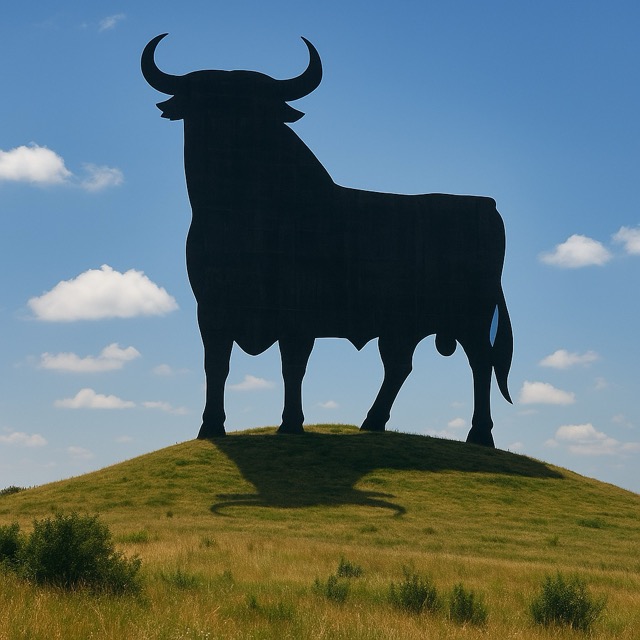
On July 27, 2025, the municipal group of Vox Burgos, led by Deputy Mayor Fernando Martínez-Acitores, revealed a bold proposal to use publicly owned land for the construction of a 300-meter-high metallic bull statue. Dubbed “Toro de España,” the monument would soar nearly three times higher than Burgos Cathedral, aiming to create a new global landmark and reinvigorate the city’s appeal to international tourists.
The initiative originates from the Spanish Academy of Bullfighting, which has pledged full financing for the project. According to the Academy’s blueprint, the colossal sculpture would feature panoramic observation decks in the bull’s horns, restaurants, and souvenir outlets at its base—modeled loosely on the Eiffel Tower’s multifaceted visitor experience.
The proposal quickly polarized local officials. While Vox Burgos maintains that the scheme would incur ‘zero cost’ to the city—since the Academy covers construction expenses and maintenance—Burgos Mayor Cristina Ayala of the PP has publicly downplayed the idea, stating she will ‘study’ the offer without committing to a decision.
Opposition voices were equally dismissive. Daniel de la Rosa, former Socialist mayor of Burgos, lambasted the concept as ‘absurd’ and emblematic of Vox’s lack of serious governance proposals. Posting on social media, de la Rosa quipped that in his 14 years of public service, he had ‘never encountered an idea so far-fetched’.
Animal welfare organizations also condemned the plan as a provocation. ProAnBur, a regional animal rights association, labeled the towering bull a glorification of a tradition increasingly viewed as ‘ritualized cruelty’ and warned that the monument would insult contemporary sensibilities against bullfighting.
Supporters argue that the ‘Toro de España’ could generate significant economic dividends. Vox representatives cite studies suggesting a surge in hotel bookings, restaurant revenues, and ancillary services, projecting that Burgos could see up to a 25% rise in tourist visits within two years of inauguration.
Engineering experts, however, caution that erecting a 300-meter steel structure poses formidable challenges. Structural analysts note that wind loads at such heights require sophisticated damping systems and could inflate costs if safety margins surpass initial estimates. Even so, the Academy insists on modern design solutions to ensure stability and visitor comfort.
Cultural commentators view the debate as emblematic of Spain’s ongoing confrontation with its bullfighting legacy. While some regions cling to torero traditions, others—like Catalonia and the Canary Islands—have imposed bans. The ‘Toro de España’ thus reignites questions over whether Spain should memorialize a practice seen by many as anachronistic.
Next steps include formal consideration by the Burgos municipal council and potential public consultations. Vox Burgos has called for an expedited review, urging the PP-led government to ‘seize the opportunity’ before other cities lobby to host the monument. Observers expect a vibrant public debate as Burgos balances heritage, modernity, and economic ambition.



 The Tower Post