Examining Public Health Risks and Potential Criminal Liability for Officials Amid Rising Fatalities
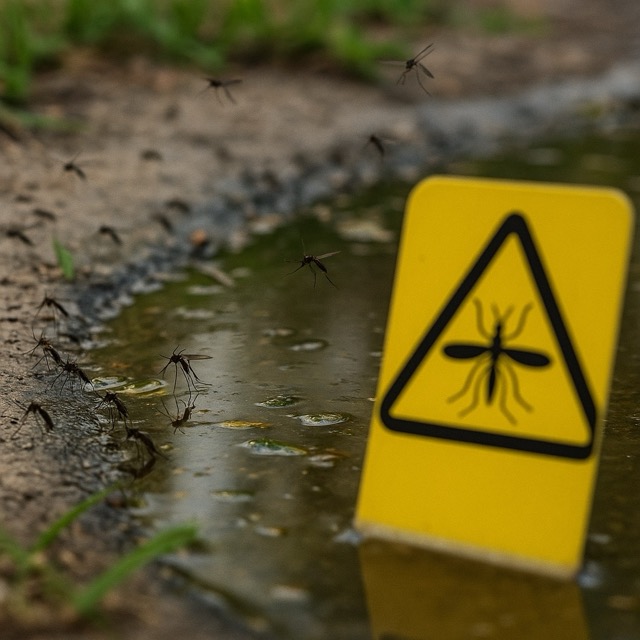
This summer, Italy has witnessed an alarming spike in West Nile virus (WNV) infections, with over 120 confirmed cases and 15 deaths reported in July 2025 alone. Public health authorities have repeatedly called for targeted mosquito control interventions, but several municipalities, especially in Veneto, Lombardy, and Emilia-Romagna, continue to prohibit aerial and ground-based insecticide applications, citing environmental protection and regulatory hurdles.
Entomologists warn that delaying or forbidding disinfestation easily allows mosquito populations to proliferate. Dr. Alessandra Ricci of Rome’s Spallanzani Institute notes that larvicide treatments can reduce vector density by up to 70 percent when deployed promptly. However, local councils counter that pesticides threaten biodiversity, contaminate water sources, and conflict with the precautionary approach set forth by recent EU directives.
Environmental groups like Legambiente defend the bans as necessary limits on chemical use, but infectious disease specialists describe them as life-threatening obstacles. Francesco Bianchi, president of the Italian Society of Hygiene, calls the situation “a tragic misalignment of priorities.” He points out that the immediate danger of a burgeoning epidemic outweighs the theoretical ecological risk of carefully controlled insecticide application.
Under Italy’s Penal Code, Article 589 defines manslaughter, while Article 452 covers negligent epidemic dissemination. Legal experts emphasize that mayors—who also serve as heads of local civil protection—have a statutory duty to implement “all necessary measures” during public health emergencies. Professor Martina Esposito of Università Cattolica argues that knowingly blocking vector control may constitute official misconduct with potential criminal liability.
Signs of legal pushback are already emerging. In Verona, relatives of two elderly WNV victims have filed a lawsuit alleging that their mayor ignored repeated warnings about breeding hotspots. In Ferrara, a public prosecutor opened an inquiry into the municipal council’s refusal to authorize nighttime fogging in high-risk districts. These cases may set precedents for future prosecutions if fatalities can be linked to policy decisions.
Policy analysts point out that while mayors enjoy broad discretion, accountability obligations under Italy’s Civil Protection Code demand proactive responses to health threats. Antonio Mele, former national prosecutor, states: “A blanket ban on disinfestation likely breaches statutory duties and invites liability. Officials must balance environmental concerns with human life.”
Implementation remains uneven. Rome’s regional health authority has contracted private firms for larvicide treatments around stagnant water bodies, while neighboring provinces delay action pending environmental impact reviews. The national government has issued guidelines urging evidence-based vector control, but compliance varies widely across municipalities.
Community frustration is mounting. Luca De Santis, a resident of Ferrara who lost his father to West Nile this month, says he and his neighbors feel abandoned: “We begged for spraying, but bureaucratic delays cost my father his life. We demand accountability.” Activists have launched petitions and organized protests, pressuring councils to reverse bans or face legal consequences.
Italy’s West Nile crisis underscores a broader challenge: adapting to climate-driven increases in vector-borne diseases while preserving environmental integrity. The coming weeks will reveal whether municipal leaders prioritize public health over precautionary bans or risk criminal investigations for obstructing essential interventions.




 The Tower Post