High levies on 45% of U.S. imports signal a seismic shift in global trade under president sweeping agenda
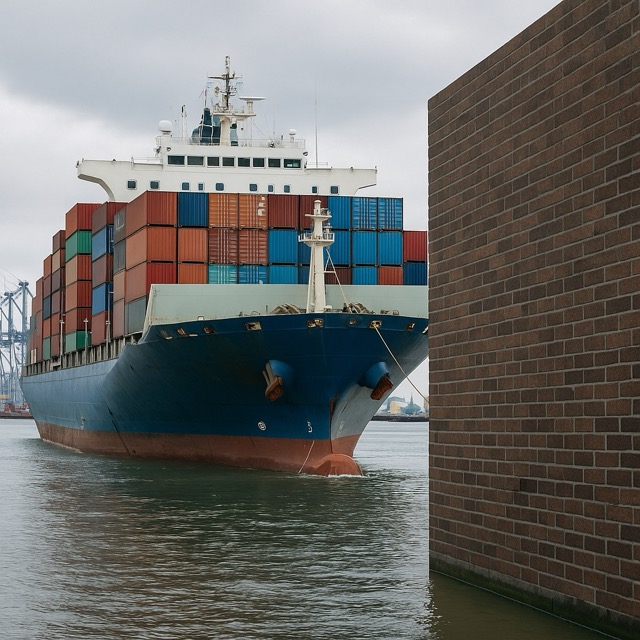
In an extraordinary escalation of economic nationalism, President Donald Trump has successfully driven U.S. import tariffs to levels unseen since the Great Depression. Through a series of unilateral actions and negotiated agreements, the Trump administration has imposed or secured commitments for high levies on nearly 45% of all goods entering the United States. The result is a formidable tariff barrier that risks reshaping the architecture of global trade.
Trump’s protectionist campaign began in 2018 with the invocation of Section 232 of the Trade Expansion Act, imposing 25% tariffs on steel and 10% on aluminum imports. Those initial measures targeted a narrow set of industries but set a precedent for broader application. By mid‑2025, the administration had extended hefty duties to sectors ranging from semiconductors and solar panels to consumer electronics and auto parts.
Among the most consequential agreements was the U.S.–China Phase One deal, which froze existing tariffs while stipulating increased Chinese purchases of American goods. Yet far from a reprieve, the deal codified tariff commitments in exchange for trade volume targets, effectively locking in duties on some $350 billion of Chinese exports. Similar arrangements with the European Union, Japan, and other major economies secured exemptions only in return for bilateral negotiations that left tariffs intact on a majority of goods.
Economists warn that such widespread protectionism carries steep costs. A recent analysis by the Peterson Institute for International Economics estimates that U.S. consumers paid an additional $70 billion in import duties in 2024 alone, with the burden falling disproportionately on low‑ and middle‑income households. “Tariffs are a tax on consumers, pure and simple,” noted PIIE senior fellow Chad Bown. “Higher input costs ripple through the economy, dampening growth and raising prices.”
Manufacturers that rely on complex global supply chains have felt the strain. The automobile industry, for example, faces tariffs on critical components sourced from Mexico, China, and the EU, prompting some automakers to delay new plant investments or relocate production. A survey by the National Association of Manufacturers found that 60% of member companies cited tariffs as a primary factor in their decision‑making on future capital expenditures.
Trump’s defenders argue that the strategy has delivered results. They point to increased domestic steel and aluminum production, a narrowing trade deficit, and a revival of manufacturing jobs in key swing states. “We are standing up for American workers,” said pro‑tariff advocate and former adviser Peter Navarro. “Fair trade means trade that benefits U.S. interests first.”
Yet the broader picture is more mixed. Global trade volumes contracted by 3.5% in 2024, the steepest decline since the 2008 financial crisis. Supply chain disruptions have persisted, and retaliatory tariffs from trading partners have hit U.S. agricultural exports—particularly soybeans and pork—undermining rural economies in the Midwest.
International responses have varied. The World Trade Organization has launched multiple disputes challenging U.S. measures, though rulings can take years. American allies, including Canada and the EU, have pursued countermeasures, imposing their own duties on American products. Some WTO members have expressed concern that bilateral “tariff-for-exemption” deals circumvent multilateral disciplines, weakening the global trading system.
As the so-called tariff wall stands at Depression‑era heights, businesses, consumers, and policymakers face difficult choices. Will the United States maintain its defensive stance, or will it seek a path back toward liberalized trade and shared prosperity? The answer will determine the future shape of global commerce and America’s role within it.




 The Tower Post