Rome’s refusal to exchange him for ex‑minister Ramírez fuels diplomatic impasse and human rights concerns
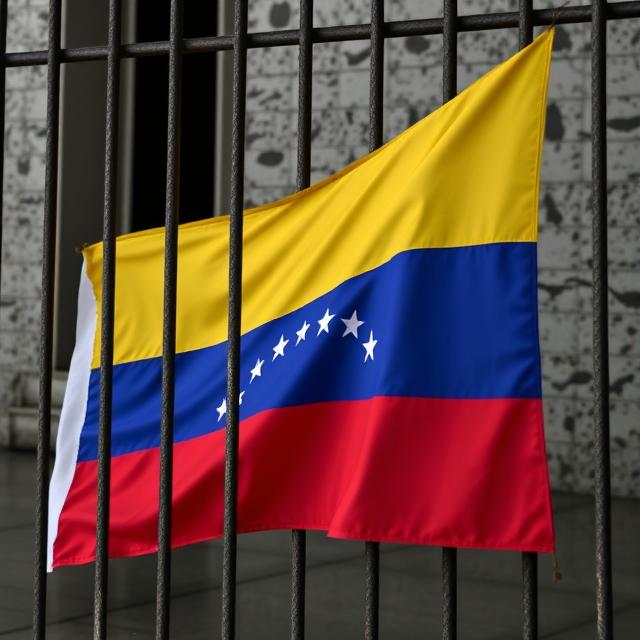
Italian activist Marco Trentini has now spent 259 days detained in Venezuela, a case that has strained diplomatic ties and ignited debate in Italy over the handling of dual‑national citizens abroad. Trentini was arrested on October 4, 2024, during a private visit to Caracas, charged with unspecified “threats against national security” – a broad accusation his family and rights groups dismiss as politically motivated.
From the outset, Rome has declined to pursue a direct prisoner swap with Caracas, despite repeated calls from Trentini’s supporters. The Venezuelan government, grappling with its own political exodus, has demanded the extradition of former minister Alejandro Ramírez, who fled to Italy in 2023 and currently resides in Rome under diplomatic protection.
Ramírez served in Hugo Chávez’s administration and is wanted in Venezuela on corruption and embezzlement charges. Italian authorities, however, have refused to extradite him, citing concerns about the fairness of Venezuelan judicial processes and the potential violation of international human rights norms.
Trentini’s family, meanwhile, has watched helplessly as his incarceration extends. “He’s a peaceful human rights campaigner,” said his sister, Laura Trentini, in an interview with Corriere della Sera. “There was no reason to arrest him. We beg our government to do whatever it takes to bring him home.”
Human rights organizations, including Amnesty International, have condemned Venezuela’s detention of Trentini as arbitrary and called on Italy to intensify diplomatic pressure. “His detention is an abuse of the legal system,” stated Amnesty’s Europe director, Maria Fernández. “Italy must leverage all channels to secure his release.”
In Rome’s view, agreeing to a swap would set a dangerous precedent and could encourage foreign governments to detain Italians in pursuit of political bargaining chips. Minister of Foreign Affairs stressed that “we cannot endorse bilateral exchanges that undermine the rule of law and Italy’s commitment to justice.”
Still, critics argue that the government’s stance places politics above the welfare of an Italian citizen. Opposition lawmakers have introduced motions calling for parliamentary oversight of the negotiations and greater transparency from the executive branch.
Observers note that Venezuela, isolated by sanctions and economic hardship, may see Ramírez’s extradition as a symbolic victory. For Italy, however, the human cost of Trentini’s prolonged detention carries weight with voters and civil society alike.
As Trentini enters his tenth month behind bars, his case epitomizes the complexities of consular protection in politically volatile contexts. Whether Italy will recalibrate its approach – potentially through quiet diplomacy or third‑party mediation – remains to be seen.
For now, Marco Trentini’s fate hangs in the balance, a poignant reminder of the tension between state sovereignty and individual rights on the international stage.




 The Tower Post