Germany Joins France, UK, Portugal and Canada in Recognizing Palestine Amid Gaza Bloodshed
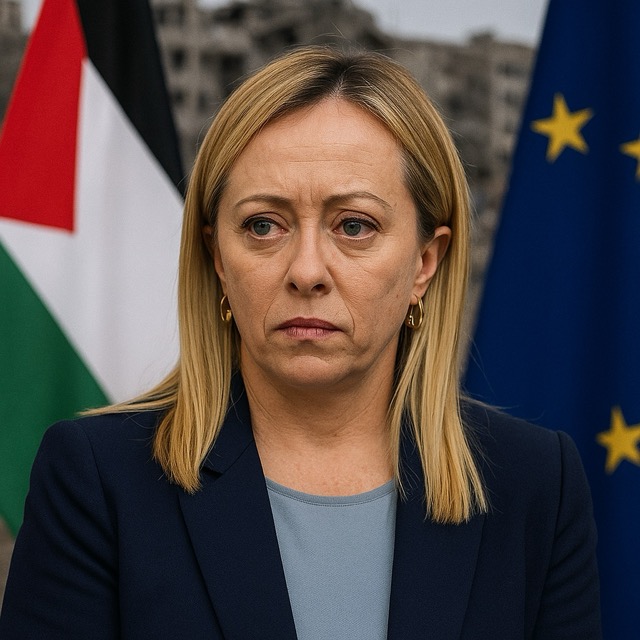
Italian Prime Minister Giorgia Meloni is finding herself increasingly out of step with a shifting geopolitical consensus as major Western powers pivot toward recognizing Palestinian statehood. Following the recent moves by France, the United Kingdom, Portugal, and now, in a groundbreaking decision, Germany, Meloni’s unwavering support for Israel has placed her government in growing international isolation.
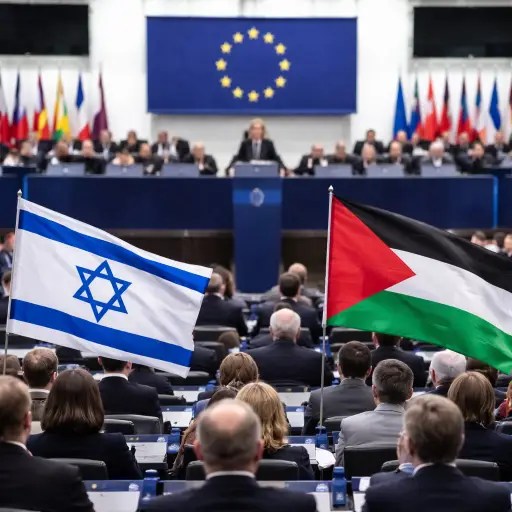
The global landscape is changing fast. In Berlin, the Bundestag voted overwhelmingly in favor of recognizing the State of Palestine, a symbolic yet politically charged move that sends ripples across Europe. German Chancellor Olaf Scholz emphasized the need to “support a long-term two-state solution,” calling the status quo “unsustainable and morally unacceptable.”
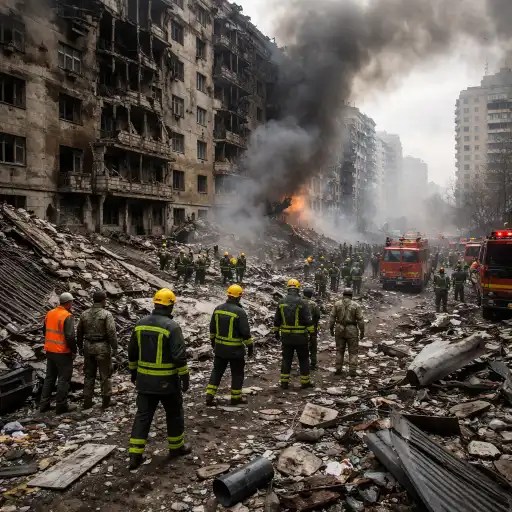
As Berlin moves forward, Gaza continues to suffer. In the latest wave of bombings, over 100 Palestinians were killed in a single day, many of them women and children. The carnage follows months of intense Israeli operations that have left much of the Gaza Strip in ruins and over 30,000 people dead. Humanitarian organizations are struggling to gain access to the region, while calls for an immediate ceasefire grow louder around the globe.
Meanwhile, former U.S. President Donald Trump added fuel to the fire, declaring, “Hamas must surrender unconditionally,” and blasting Canada after its decision to recognize Palestine. “If Ottawa wants to play with fire, we’ll respond accordingly,” Trump warned, reigniting debates about the limits of American influence and the growing independence of U.S. allies.
Canada’s Prime Minister, in turn, defended the recognition, stating that it was a “moral and strategic imperative” aimed at reigniting meaningful peace negotiations. The White House has not issued an official rebuke of Canada’s decision, although tensions behind closed doors are reportedly high.
In Italy, however, Meloni remains firm. In a recent press briefing, she reaffirmed her alignment with Tel Aviv, stressing Israel’s right to defend itself and questioning the “timing and wisdom” of state recognitions amid ongoing conflict. But her stance is increasingly at odds with the tone across European capitals.
Political analysts suggest that Italy risks diplomatic marginalization if it continues to reject a multilateral approach to the conflict. “Italy is not just isolated,” said a senior EU diplomat who requested anonymity, “it’s becoming irrelevant in the Middle East conversation.”
Back home, opposition leaders are beginning to sense an opportunity. Figures from the Democratic Party and the Five Star Movement have criticized Meloni’s “blind allegiance” to Israel, urging her to realign Italy’s foreign policy with broader European values and goals.
The situation in Gaza continues to deteriorate, and with each new recognition of Palestinian statehood, the pressure on Meloni intensifies. The world is speaking—sometimes in defiance of old alliances—and Italy’s silence, many argue, speaks volumes.
As the humanitarian crisis worsens and diplomatic dynamics evolve, one thing is clear: the political cost of standing still is rising fast.


 The Tower Post