How a Timeless Piece of Underwear Became a Fashion Staple
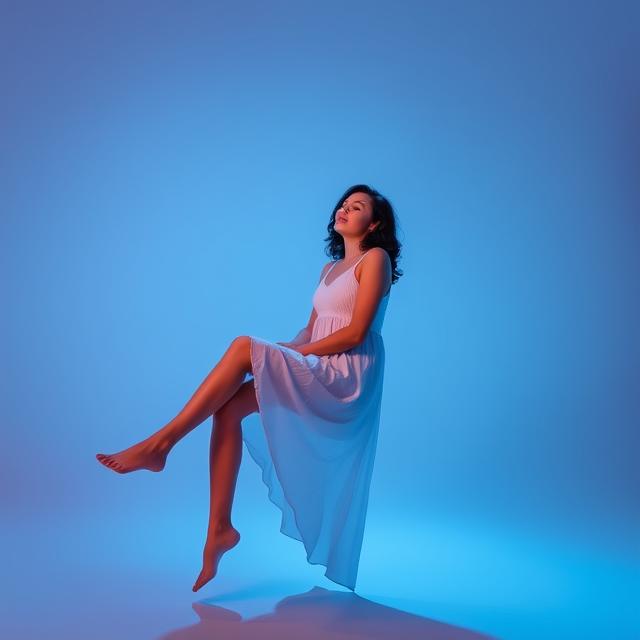
In recent years, the nightgown has undergone a remarkable transformation, evolving from a humble piece of bedroom attire to a fashion staple that’s making waves on the runway and in the streets. Gone are the days of the provocative, skin-baring nightgowns of the 1990s, replaced by a new era of comfort-driven, historically-inspired designs that are redefining the way we think about sleepwear.
According to fashion critic Rachel Tashjian, the current trend is driven by a desire for comfort and a return to more traditional, understated silhouettes. “The fabric is quite starchy, and it almost reminds me of wedding cake frosting,” she says of her own cotton nightgown from the late 1800s, which she likes to wear while walking her dog in Central Park. “Pieces from that time, especially underpinnings, have all these incredible details of lacework and pin tucks and pleating.”
This shift towards comfort and practicality is not limited to women’s fashion. At Milan’s Men’s Fashion Week in June, Dolce & Gabbana showcased loungewear and lounging separates that riffed off pajama sets, indicating a growing trend towards relaxed, comfortable clothing for both men and women. Designers like Salter House, a New York-based clothing and homeware brand, have also capitalized on this trend by creating organic cotton nightdresses and PJs that are inspired by traditional 19th-century French undergarments.
But the nightgown’s newfound popularity is not without its controversies. Some have suggested that the trend may be linked to a revival of conservative politics, with the rise of “trad wife” style, characterized by milkmaid dresses, full A-line skirts, and puff-sleeve blouses. However, fashion critics like Tashjian argue that this interpretation is too narrow, and that the nightgown’s appeal lies in its ability to subvert traditional notions of femininity.
“I think a lot of this comes down to how the person is wearing it,” Tashjian says. “There also is a world in which it’s some conflation of this conservative, ‘trad wife’ style,” she adds, but notes that many young women are winking at this type of antiquated femininity while engaging with it.
Take Prada’s Spring-Summer 2023 show, where sheer, matronly nightdresses and housecoats were shown with heeled Mary Janes and tightly gripped clutch bags. “It’s a woman taking things that are assigned to a particular lane in life, and recontextualizing them in a way that’s very naughty or mischievous or arrogant,” Tashjian observes.
The nightgown’s versatility and comfort have also made it a staple in many women’s wardrobes. Influencer Bridget Brown, who has over 99,000 followers on Instagram, has been showcasing her collection of vintage nightgowns, which she wears both in and out of the bedroom. “I literally cannot stop buying vintage nightgowns,” she says in a recent video, as she unboxes an embroidered, scoop-neck cotton nightie that flows past her knees.
The nightgown’s appeal extends beyond fashion, too. For many, it represents a return to a more relaxed, carefree way of living. “It feels good, physically,” says Sandeep Salter, the co-founder of Salter House, about the continued interest in gauzy gowns. “People are looking for comfort and practicality in their clothing, and the nightgown delivers on both fronts.”
As the nightgown continues to evolve and influence fashion trends, one thing is clear: this humble piece of underwear has become a symbol of a broader cultural shift towards comfort, practicality, and self-expression. Whether worn on the runway or in the streets, the nightgown is no longer just a piece of bedroom attire, but a statement of individuality and style.




 The Tower Post