U.S. Special Envoy’s Visit Marks Pivotal Step in Drafting New Humanitarian Relief Plan
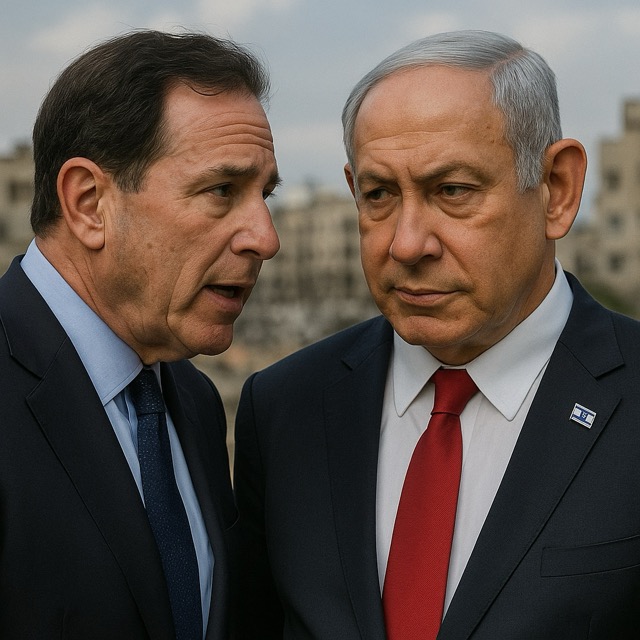
In a crucial diplomatic visit, U.S. special envoy Steve Witkoff met with Israeli Prime Minister Benjamin Netanyahu in Jerusalem to discuss the next phase of the war in Gaza and formulate potential strategies to ease the worsening humanitarian crisis in the region. The high-stakes meeting took place as international concern mounts over the catastrophic conditions inside the besieged enclave.
According to a White House spokesperson, the meeting was “very productive” and reflected a shared interest in balancing security concerns with the urgent need for humanitarian relief. Witkoff, a close adviser to former President Donald Trump, is expected to brief Trump on a newly outlined plan that includes significant logistical support to deliver food and humanitarian aid into Gaza.
The visit comes at a time when humanitarian groups report dire shortages of food, water, and medical supplies. Aid agencies have warned of a full-scale famine looming unless immediate action is taken. Thousands of displaced families remain without shelter, and critical infrastructure has been reduced to rubble following months of Israeli airstrikes.
After his discussions with Netanyahu, Witkoff traveled to several food distribution centers near the Gaza border. These visits are part of an effort to assess logistical challenges on the ground and develop practical solutions to streamline aid delivery. “We saw firsthand the immense need,” Witkoff said in a brief press statement. “The international community must rise to this occasion. Human lives are at stake.”
The White House emphasized that any plan will need bipartisan and international backing. U.S. officials are reportedly exploring the deployment of a multinational coalition to coordinate the delivery of aid, possibly using secured land corridors through Egypt and Jordan, along with increased naval support for shipments arriving by sea.
Despite the optimism projected by Washington, skepticism remains. Critics question whether Trump, if re-elected, would follow through on such a plan, citing past inconsistencies in Middle East policy. Additionally, the Israeli government remains wary of proposals that could be perceived as empowering Hamas or weakening Israel’s security posture.
Netanyahu, in his own statement following the meeting, reiterated Israel’s commitment to “eliminating terrorist threats” while acknowledging the need to “minimize civilian suffering wherever possible.” He stopped short of endorsing any specific aspect of the plan but expressed “appreciation for American engagement and support.”
In Gaza, reactions to the news were mixed. Local aid workers welcomed the visit and expressed hope that real change might follow, but many remain skeptical. “We’ve heard promises before,” said one coordinator with an international NGO. “What we need now is action, not more meetings.”
As Witkoff prepares to return to the United States and debrief Trump, the world watches closely. Whether this diplomatic engagement will lead to tangible change—or simply become another footnote in the protracted crisis—remains to be seen.


 The Tower Post