Historic Split Emerges as Central Bank Pushes Back on Political Pressure from Trump
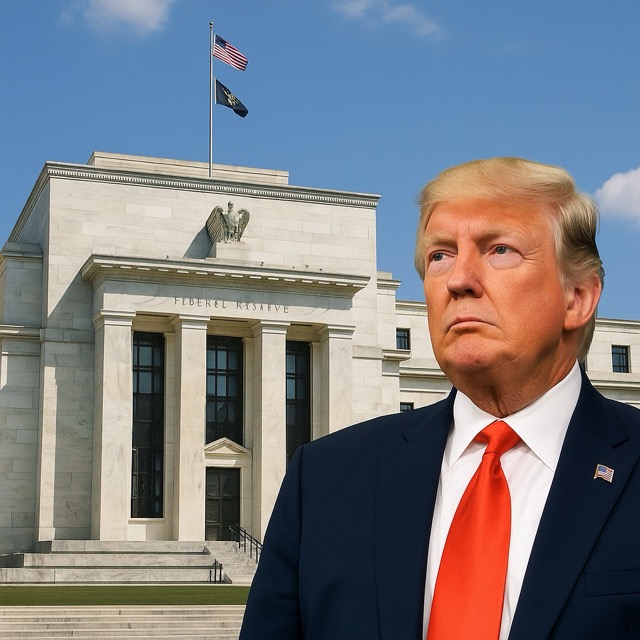
The U.S. Federal Reserve has signaled it could hold interest rates steady in September, resisting political pressure from former President Donald Trump and exposing a rare rift within its leadership. Two members of the Federal Open Market Committee (FOMC) dissented from the decision to leave borrowing costs unchanged — the first such dual objection from governors since 1993.
The move underscores the Fed’s cautious stance as it balances slowing inflation with persistent economic uncertainty. While some had expected a rate cut or stronger forward guidance, the central bank instead held firm, suggesting that its fight against inflation is not yet over.
A Rare Internal Split
The dissenting votes came from two of the Fed’s board governors — a highly unusual development in a system that values internal consensus. Their objections reflect a belief that interest rates should have been cut to guard against economic slowdown and financial fragility.
“This is not business as usual,” said economist Laura Mendoza. “A double dissent at the governor level is a clear signal of disagreement over the pace of monetary easing.”
Despite the objections, Fed Chair Jerome Powell emphasized unity in the central bank’s broader goals. “We remain committed to our dual mandate — maximum employment and price stability. While there are differing views on the timing, we all agree that data must drive our decisions.”
Trump’s Pressure and the Fed’s Independence
The decision also marks a subtle but pointed rejection of calls from Donald Trump, who has stepped up criticism of the Fed in recent weeks. Trump, the Republican presidential frontrunner, has argued that high interest rates are harming American businesses and voters, and has demanded swift cuts ahead of the November election.
However, Powell and other Fed officials have repeatedly stressed the importance of political independence. “The Federal Reserve does not take direction from any elected official,” Powell said pointedly during a press conference. “We follow the data and our mandate.”
Political observers noted that while Powell avoided directly naming Trump, his comments amounted to a clear rebuff of political interference — a theme that may become more prominent as the election cycle intensifies.
Balancing Growth and Inflation
The Fed’s decision comes amid mixed economic signals. Inflation has cooled significantly from its 2022 peak, but remains above the central bank’s 2 percent target. Meanwhile, job growth has slowed modestly, and consumer sentiment has become more cautious.
While financial markets had priced in the likelihood of a rate pause, the dissent surprised many investors, briefly jolting bond yields and equity indexes.
Analysts say the Fed’s position reflects a desire to maintain optionality. “They’re keeping their powder dry,” said David Chen, senior strategist at Keystone Macro. “They don’t want to lock themselves into a cut or hike just yet.”
Looking Ahead
The Fed’s next meeting in September will now carry even greater significance. Market participants will closely watch upcoming inflation data, labor reports, and consumer spending trends to gauge whether the Fed leans toward loosening monetary policy.
More broadly, the episode has reopened debate about the politicization of monetary policy and the challenges facing central banks in an increasingly polarized environment.
For now, the Fed is standing its ground — opting for caution, data-dependence, and, perhaps most importantly, independence.




 The Tower Post