Tehran Sets New Preconditions as Nuclear Talks With Trump Administration Stall
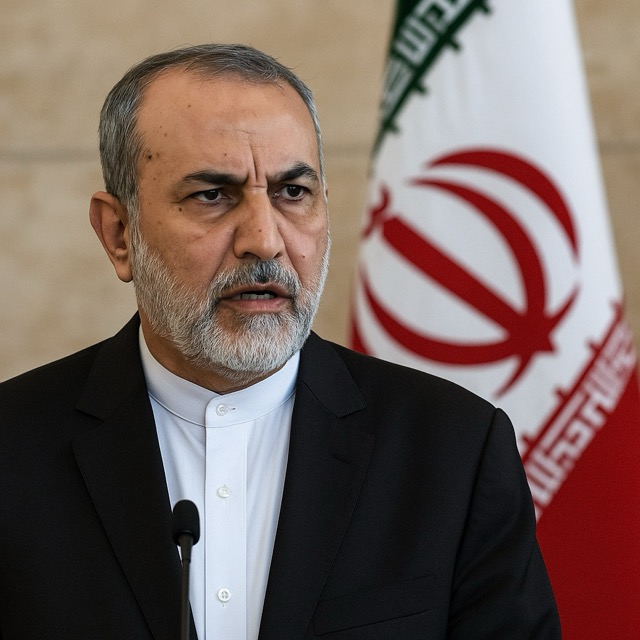
In a significant escalation of diplomatic tensions, Iran’s foreign minister has declared that the United States must compensate the Islamic Republic for damages suffered during last month’s military conflict before any nuclear negotiations can resume. The announcement marks a hardening of Tehran’s position, potentially derailing prospects for renewed dialogue with the Trump administration.
Speaking during a televised press conference in Tehran, Foreign Minister Hossein Amir-Abdollahian stated that the U.S. is “directly responsible for the material and human losses inflicted upon Iran” during the recent escalation in the region. “There can be no meaningful talks while the blood of our people is still fresh and justice remains unserved,” he said.
The demand comes as the Biden-era Joint Comprehensive Plan of Action (JCPOA) remains in diplomatic limbo following the return of Donald Trump to office. Trump, who withdrew the U.S. from the nuclear deal in 2018, has maintained a hardline stance on Iran, calling for stricter terms and broader restrictions in any new agreement.
According to Iranian state media, Tehran is seeking “full compensation” for civilian infrastructure damaged during the conflict, including hospitals, oil facilities, and telecommunications hubs. While no official figures have been released, Iranian officials claim the losses exceed several billion dollars.
U.S. officials have not formally responded to the compensation demand, but senior administration aides have expressed skepticism about Iran’s motives. “This appears to be a tactic to stall negotiations and shift blame,” one official said on condition of anonymity. “Our focus remains on regional stability and preventing nuclear escalation.”
Analysts suggest that Iran’s new precondition could be a calculated move to bolster domestic political support and strengthen its negotiating leverage. “This is both a diplomatic and domestic play,” said Sanam Vakil, a Middle East expert at Chatham House. “Iran is using the compensation issue to portray itself as a victim while raising the stakes for the U.S.”
The development also casts a shadow over recent backchannel efforts by European mediators, who had hoped to bring both sides back to the table for informal talks. French and German diplomats were reportedly preparing to host preliminary meetings next month in Geneva, but those plans are now in jeopardy.
Tensions between Washington and Tehran have been running high since the outbreak of hostilities last month, triggered by a series of tit-for-tat strikes involving Iranian-backed militias and U.S. forces in Iraq and Syria. The conflict has sparked fears of broader regional destabilization, particularly involving Israel, Saudi Arabia, and the Gulf states.
Humanitarian concerns are also rising. International aid groups have reported widespread displacement and damage to civilian infrastructure in Iran’s western provinces. The UN has called for restraint and renewed diplomatic efforts, warning that continued escalation could deepen the region’s humanitarian crisis.
As Tehran signals it will not return to the negotiating table without compensation, the outlook for U.S.-Iran diplomacy appears bleak. With both sides digging in and domestic politics on either end hardening positions, a diplomatic breakthrough seems increasingly unlikely in the near term.
Whether this demand for reparations marks a turning point or a temporary maneuver remains unclear. But for now, nuclear diplomacy is once again on hold—hostage to the ghosts of a recent war.

 The Tower Post