High Costs, Politics, and Travel Challenges Deter Businesses from Amazon Gateway Event
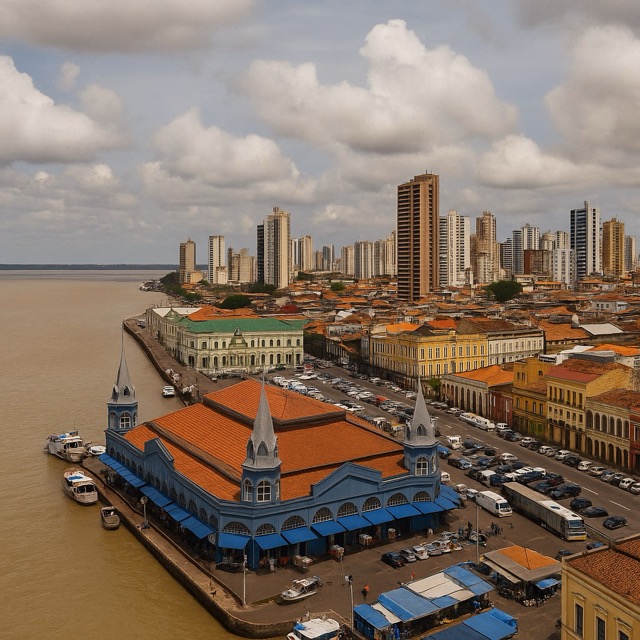
The much-anticipated UN climate summit set to take place in Belém, Brazil, has suffered a blow as businesses and consultants retreat from the event, citing a confluence of political, logistical, and financial concerns. Belém, often referred to as the gateway to the Amazon, was expected to host thousands of global climate leaders, yet many financial institutions and advisory firms are instead redirecting their focus to parallel events in São Paulo and Rio de Janeiro.
The retreat comes at a critical time for the climate movement. As the Amazon rainforest faces unprecedented deforestation and ecological degradation, this year’s summit was meant to amplify the urgency of protecting one of the world’s most vital carbon sinks. However, concerns over high accommodation costs, limited infrastructure, and long travel times have cooled corporate enthusiasm.
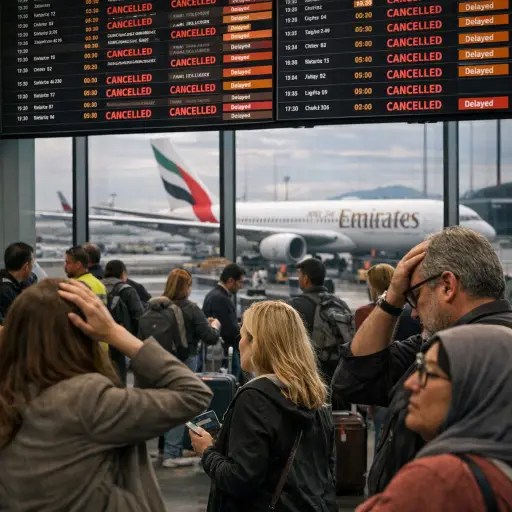
“Flying into Belém requires multiple transfers and considerable travel time,” said a senior consultant at a global sustainability firm. “We support the goals of the summit, but the location poses significant logistical hurdles.”
Hotel prices have surged in the city, with top-tier accommodations reportedly charging up to three times their normal rates. Limited hospitality infrastructure, compounded by rising political tensions within Brazil, has further discouraged widespread business participation.
The political backdrop is proving to be equally challenging. While President Luiz Inácio Lula da Silva has positioned Brazil as a champion of environmental protection on the international stage, domestic policies remain a source of contention. Critics point to ongoing clashes between economic development interests and Indigenous rights in the Amazon region.
Rather than completely withdrawing from the climate dialogue, many companies are choosing to participate in satellite finance and sustainability conferences in Brazil’s major metropolitan hubs. São Paulo and Rio de Janeiro are hosting a range of high-level panels and networking events during the same period, drawing large contingents from multinational corporations, investment banks, and climate-tech startups.
“We’re still very much involved,” said a spokesperson for a leading European asset management firm. “But we’re concentrating our efforts in São Paulo, where the infrastructure and access to financial stakeholders are better aligned with our goals.”
Some observers warn that the shift in focus could undercut the symbolic and practical significance of Belém as a host city. “There’s a real risk of disconnecting climate action from the communities most affected by environmental change,” said a local environmental activist. “It’s easy to talk about solutions from an air-conditioned hall in São Paulo, but the Amazon is here. The people affected are here.”
The UN has acknowledged the logistical challenges but remains committed to holding the summit in Belém. Officials insist that decentralizing the location is part of a broader effort to include historically marginalized regions in global policy discussions.
Still, the absence of corporate heavyweights may dampen the summit’s influence, particularly when it comes to securing public-private partnerships and mobilizing large-scale investment in climate resilience.
As the summit draws near, the focus will be on whether the political message of hosting it in Belém can outweigh the practical obstacles—and whether the voices of the Amazon will truly be heard on the world stage.



 The Tower Post