Group of 27 scientists issues urgent alarm ahead of UN negotiations for a global plastics treaty
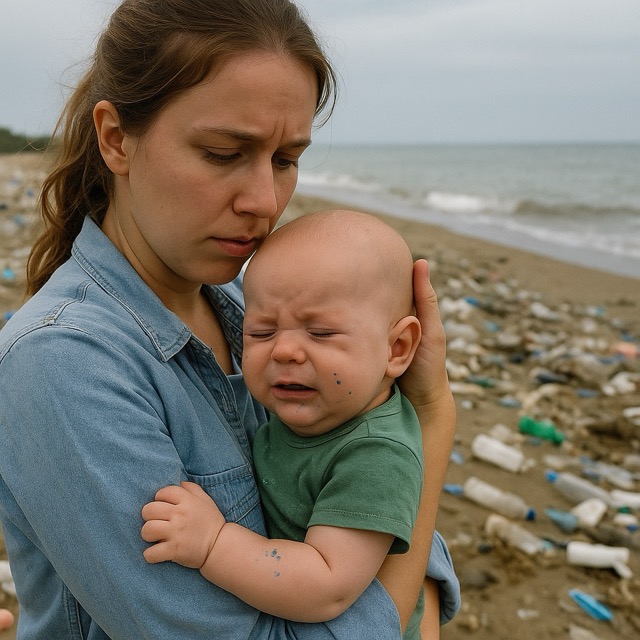
Geneva, August 2025 – A coalition of 27 leading scientists and medical experts has sounded an urgent alarm over the “grave, growing and under-recognised danger to human health” posed by plastic pollution. Their stark warning comes on the eve of a United Nations conference in Geneva, dedicated to hammering out a landmark global treaty on plastics.
In a comprehensive statement released this week, the group documented extensive evidence that plastics and their chemical byproducts are linked to diseases at every stage of life. Infants and young children, they warned, are uniquely vulnerable to developmental and neurobehavioral disorders resulting from micro- and nanoplastics ingested through breast milk, formula, air, or contaminated water.
“The science is unequivocal: plastic particles are now omnipresent in our environment, and they carry potent toxins that can harm human cells,” said Dr. Maya El-Hassan, a pediatric toxicologist based in London and lead author of the statement. “We are witnessing increases in endocrine disruption, immune dysfunction, and childhood cancers that correlate strongly with plastic exposure metrics.”
Epidemiological studies cited by the group show alarming trends. A decade-long cohort study in Northern Europe linked high microplastic levels in prenatal blood samples to a 25 percent increase in early childhood asthma, and a study from Southeast Asia found that nearly 90 percent of local infants harbored detectable microplastics in their stool. Meanwhile, laboratory research has exposed cellular damage and genetic mutations in human cell lines exposed to common plastic additives such as BPA, phthalates, and flame retardants.
The experts emphasized that the crisis extends beyond individual health: mounting evidence points to significant economic burdens for healthcare systems globally. “The chronic diseases triggered or exacerbated by plastic exposure could cost trillions in medical expenses and lost productivity,” warned Dr. Luis Santoro, an epidemiologist from São Paulo. “Investing in a strong plastics treaty is not just an environmental imperative—it is a fiscal necessity.”
Next week’s UN conference brings together delegates from more than 150 nations, consumer groups, industry representatives, and civil society. Discussions will focus on binding commitments to reduce plastic production, regulate hazardous additives, and establish robust waste-management infrastructures, especially in low-income regions disproportionately burdened by plastic dumping.
Critics, however, caution against diluting ambitions. “A weak treaty with loopholes will only perpetuate this public health emergency,” argued Anjali Mehta, director of the Global Plastics Accountability Network. She urged negotiators to mandate the phase-out of single-use plastics and enforce transparent reporting on chemical contents in all plastic products.
Switzerland, hosting the talks, has been proactive by passing national legislation to ban certain single-use items and funding research into biodegradable alternatives. Yet Swiss Environment Minister Sabine Keller-Busse acknowledged the uphill battle. “We have a moral duty to protect future generations. Our goal is a treaty that drives systemic change, not incremental tweaks.”
As the world watches Geneva, the scientists’ plea remains clear: ignoring plastic pollution’s health impacts risks condemning millions to preventable illness. The coming days will test whether global leaders can transcend short-term interests and craft a treaty capable of safeguarding human health and the planet.



 The Tower Post