Italian Finance Minister pushes for centralized body as local governments grapple with budget shortfalls
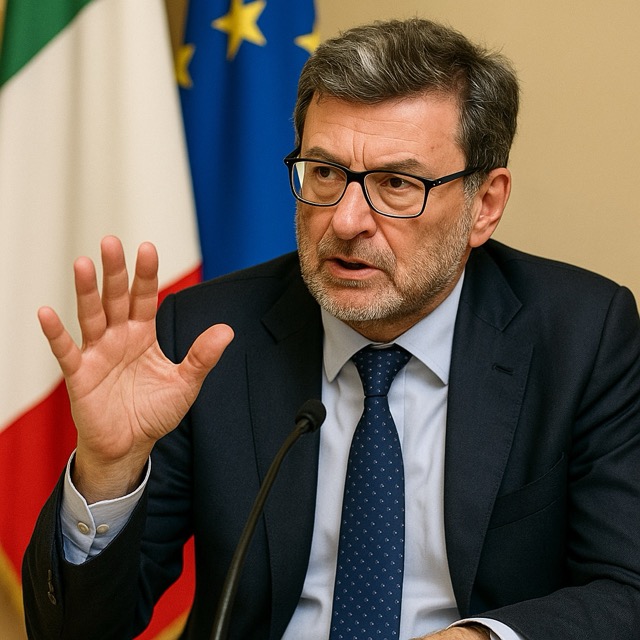
Rome – Italy’s Finance Minister Giancarlo Giorgetti has unveiled plans to establish a national agency dedicated to the recovery of outstanding taxes and delinquent fees, including unpaid parking fines, in a bid to bolster municipal finances across the country. The proposal comes amid growing concerns over the ability of local authorities to meet recurring expenses, driven by surging energy costs and scheduled public sector pay increases.
In a policy address delivered in Parma on Monday, Giorgetti highlighted the strained balance sheets of many Italian towns and cities. “Municipalities are on the front lines of governance, providing essential services day in and day out,” he said. “Yet they find themselves hamstrung by budget constraints, with revenues failing to keep pace with expenditure pressures. A dedicated agency can streamline collection processes and ensure resources are available where they are most needed.”
Municipal debt in Italy has risen steadily over the past decade, with regions such as Sicily and Calabria reporting the highest proportions of unpaid municipal charges. According to data from the Association of Italian Municipalities (ANCI), local councils face a combined shortfall of over €8 billion, attributable to unpaid property taxes (IMU), waste collection levies, and various administrative fees.
Currently, municipalities handle debt recovery through a patchwork of municipal bureaucracies or external debt collection firms, resulting in inconsistent practices and high administrative costs. Giorgetti’s proposal envisions a centralized body staffed with specialized agents, leveraging data analytics and digital platforms to identify defaulters, issue notices, and negotiate repayment plans more efficiently.
Local mayors have offered guarded support for the initiative. Stefano Rossi, mayor of Livorno, praised the potential for economies of scale: “Many smaller towns lack the staffing and expertise to chase down every delinquent account. A national agency could apply best practices uniformly, reducing overhead and improving collection rates.”
However, critics warn of privacy and legal hurdles. Alessandra Moretti, a regional councilor in Veneto, expressed concerns about centralization. “Citizens may be apprehensive about a new entity with broad powers to access personal data. We must ensure robust safeguards are in place to protect privacy and avoid undue pressure on vulnerable households.”
Opposition parties have also raised questions about the scope of the agency’s authority. Carlo De Luca of the Democratic Party argued that the government should first address underlying causes of non-payment, such as economic hardship and bureaucratic complexity. “Before ramping up enforcement, we need to simplify tax codes, provide targeted financial support to struggling families, and improve transparency in municipal budgeting,” he said.
Giorgetti, however, maintains that the agency would work in tandem with social programs. He indicated that the proposal includes mechanisms to identify citizens in genuine financial distress and offer deferred or partial repayment options. “Our goal is not punitive action, but rather to recover funds owed while safeguarding social equity,” he stated.
The minister’s plan is set to be debated in Parliament next month, with a draft bill due for committee review in September. Proponents anticipate that the agency could become operational by mid-2026, contingent on the passage of enabling legislation and the allocation of an initial €50 million in startup funding.
Economic analysts view the move as a pragmatic step to address Italy’s persistent municipal funding gap. “Centralization can bring efficiency gains, particularly through standardized digital tools and consolidated expertise,” said Dr. Lucia Ferraro of Bocconi University. “If implemented thoughtfully, the agency could help stabilize local budgets and free mayors to focus on service delivery rather than administrative quagmires.”
As Italy embarks on this initiative, all eyes will be on Rome’s ability to strike the right balance between rigorous collection efforts and the protection of citizen rights. With municipalities under increasing strain, Giorgetti’s proposal could mark a significant shift in how Italy manages the fiscal health of its local governments.




 The Tower Post