Auctions Fetch Record Prices, But at What Cost?
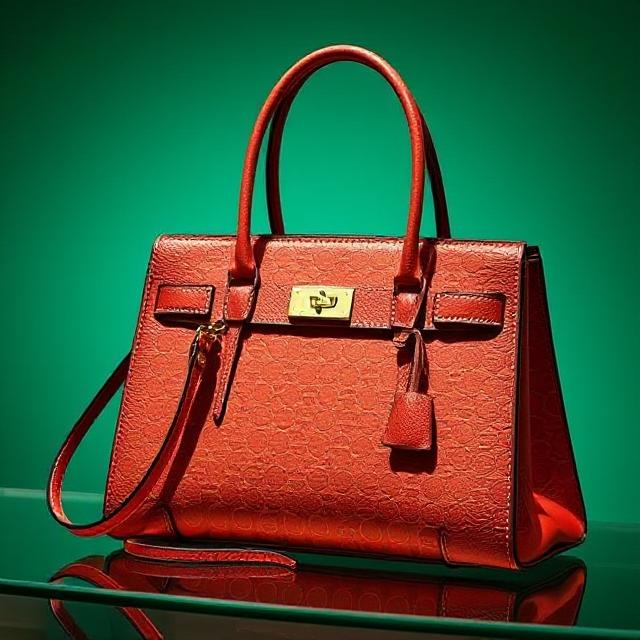
The world of luxury fashion has reached new heights, with auction houses like Sotheby’s and Christie’s fetching record prices for rare and vintage items. The recent sale of a battered Hermès handbag owned by Jane Birkin for £7 million has sparked a debate about the value of luxury fashion. Some argue that the high prices paid for these items are a reflection of their artistic and cultural significance, while others see it as a form of status signalling, where the wealthy are willing to pay top dollar for a piece of history.
Fashion historian Cora Harrington suggests that the value of these items is not just about their rarity or historical significance, but also about the cultural and social context in which they are sold. “The real deal” as Harrington puts it, is not just about the item itself, but about the story behind it. The fact that a piece of clothing has been worn by a celebrity or has a provenance that dates back to a specific era or event is what makes it valuable. For example, the sale of Marilyn Monroe’s infamous “Happy Birthday Mr President” dress, which sold for $4.8 million in 2016, is not just about the dress itself, but about the story of Monroe’s iconic performance at President John F. Kennedy’s birthday party.
However, this focus on provenance and rarity has led to a situation where fashion is being treated as a commodity, rather than as an art form. Usha Haley, a business professor at Wichita State University, worries that the escalating prices of luxury fashion items are driving up the cost of entry for ordinary people, making it even more exclusive and out of reach. “If investors begin flipping items purely for short-term gain, it could destabilise the market and drive prices to be unsustainable,” she warns.
The rise of social media has also played a significant role in the changing landscape of the luxury fashion market. Platforms like Instagram and TikTok have created new audiences for style icons from the past and historical garments, making them more valuable and desirable. However, this has also led to a situation where items are being bought and sold purely for their speculative value, rather than for their artistic or cultural significance. For example, the sale of a pair of vintage Chanel boots on eBay for £10,000 may not be about the boots themselves, but about the fact that they are a rare and desirable item that can be resold for a profit.
The argument that fashion is not art is not new, but it has gained more traction in recent years. Fashion historian and author, Cora Harrington, points out that this argument is rooted in larger structural conversations around misogyny and women’s work. When women are interested in fashion, they are often seen as less valuable or less serious than men who are interested in art. “The fact that women are expected to be interested in fashion, but not in art, is a reflection of the patriarchal society we live in,” Harrington argues.
The escalating prices of luxury fashion items have also led to concerns about the sustainability and labour behind these items. The fact that some of these items are being bought and sold purely for their speculative value has raised questions about the ethics of the luxury fashion industry. “The fashion industry is one of the most polluting industries in the world, and yet we are willing to pay top dollar for items that may have been made with sweatshop labour,” says Haley.
Ultimately, the value of luxury fashion items is subjective and depends on the context in which they are sold. As Cora Harrington puts it, “the very nature of an auction is the thing is worth what someone is willing to pay for it.” But as the luxury fashion market continues to evolve, it is clear that there are more issues at play than just the price tag.
The Impact of Social Media on the Luxury Fashion Market
Social media has played a significant role in the changing landscape of the luxury fashion market. Platforms like Instagram and TikTok have created new audiences for style icons from the past and historical garments, making them more valuable and desirable. However, this has also led to a situation where items are being bought and sold purely for their speculative value, rather than for their artistic or cultural significance.
The Rise of Resale and the Democratization of Luxury
The rise of resale sites like Depop, Vinted, eBay, Vestiaire Collective and TheRealReal has made it easier for people to buy and sell luxury items. This has democratized the luxury fashion market, making it more accessible to people who may not have been able to afford these items otherwise. However, this has also led to a situation where items are being bought and sold purely for their speculative value, rather than for their artistic or cultural significance.
The Ethics of the Luxury Fashion Industry
The luxury fashion industry is one of the most polluting industries in the world, and yet we are willing to pay top dollar for items that may have been made with sweatshop labour. This raises questions about the ethics of the industry and the impact it has on the environment and society. As the luxury fashion market continues to evolve, it is clear that there are more issues at play than just the price tag.



 The Tower Post