As traditional parties struggle to connect, populist leaders are resonating with frustrated electorates — in vastly different ways, from Latin America to East Asia.
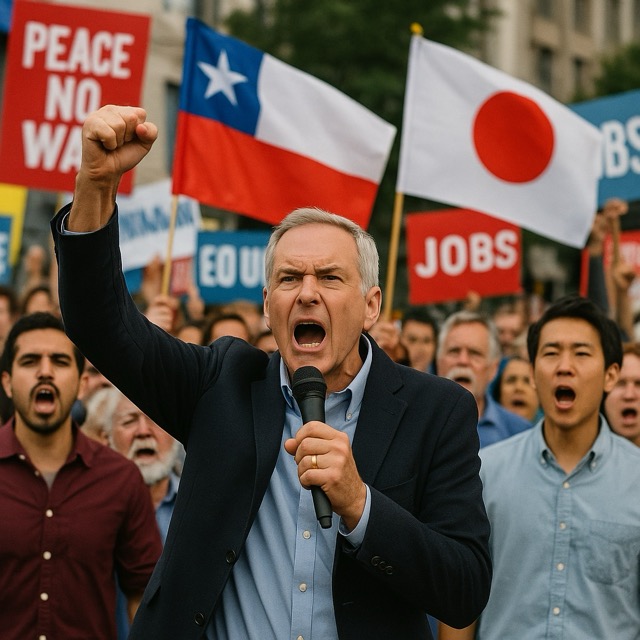
Populism, long a fixture of political life in various forms, is staging a powerful comeback across the globe. From Chile’s southern provinces to Japan’s urban centers, a new generation of populist leaders is riding a wave of economic anxiety, anti-elite sentiment, and cultural frustration to political prominence.
In Chile, the resurgence has been particularly dramatic. Just three years after the country rejected a new progressive constitution in a national referendum, a fiery right-wing populist, Carolina Fuentealba, has emerged as the leading candidate in the upcoming presidential race. Her platform: national sovereignty, stricter immigration control, and an aggressive rollback of corporate taxes. ‘Chile must belong to Chileans again,’ she proclaimed recently in a televised rally from Valparaíso, echoing nationalist rhetoric that has gained traction among working-class voters.
Further north, Mexico and Brazil have also seen populist figures regain the spotlight — often campaigning on promises of returning ‘power to the people’ and challenging international institutions. Meanwhile, across the Pacific, Japan is experiencing an unfamiliar political shift. Populist Takashi Arai, an independent candidate with no party ties, has galvanized support among younger voters disillusioned with decades of slow growth and political stagnation.
‘Arai speaks plainly — about jobs, housing, and fixing broken institutions,’ says 24-year-old college student Hana Yoshida. ‘He doesn’t dodge questions with polished nonsense like the old parties do.’
In India and parts of Southeast Asia, populist rhetoric is being adapted to fit local narratives, with leaders positioning themselves as defenders of tradition against westernization, or protectors of small businesses against ‘foreign corporate interests.’ The language of ‘us versus them’ — the cornerstone of many populist campaigns — is remarkably flexible and globally resonant.
Political scientists warn, however, that populism’s broad appeal can mask vast ideological differences. ‘Populism is more of a style than a substance,’ says Dr. Irene Ghosh, a political analyst at the London School of Economics. ‘You can have left-wing and right-wing populists, anti-globalization voices or ultranationalists — the common thread is direct emotional connection and promises to bypass traditional politics.’
In many countries, trust in legacy political institutions remains in freefall. Widening inequality, stagnant wages, and the aftermath of global crises such as the pandemic and inflation have only fueled a sense that the system is rigged — and that someone bold is needed to tear it down.
From Tokyo to Santiago, one thing is clear: the global political map is shifting. Whether these populist movements can translate support into sustainable governance remains to be seen. But for now, the siren call of simple answers in complex times continues to strike a chord.
For centrists and establishment leaders around the world, the challenge is immediate — and existential. ‘Unless mainstream parties learn to listen and adapt,’ warns Dr. Ghosh, ‘they risk being washed away by this wave.’



 The Tower Post