From Diverse Faces to Digital Avatars, the Industry Grapples with the Implications of Artificial Intelligence
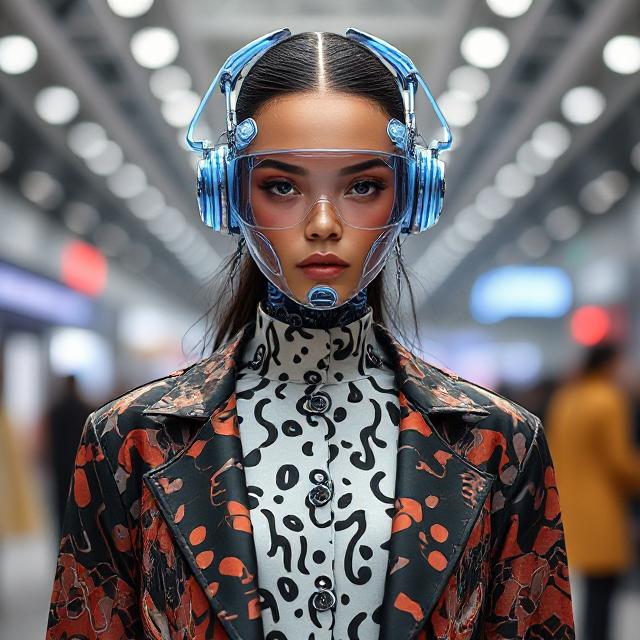
In 2023, commercial model Sarah Murray witnessed the first AI-generated model in fashion, a digital avatar of a young woman of color dressed in a Levi’s denim overall dress. Murray, a model herself, expressed disappointment and exhaustion, feeling that the use of AI-generated models would further marginalize human models. Two years on, her concerns have intensified as brands continue to experiment with AI-generated models, sparking controversy and debate in the fashion industry.
The latest incident involved Vogue’s July print edition, which featured a Guess ad with a typical model – thin, yet voluptuous, with glossy blond tresses and pouty rose lips. However, there was a twist: the model was AI-generated. The internet erupted in outrage, with many questioning the distinction between editorial content and advertising. TechCrunch spoke to fashion experts, models, and technologists to gauge the industry’s stance on AI-generated models.
According to Sinead Bovell, a model and founder of the WAYE organization, e-commerce models are the most vulnerable to automation. “It’s not necessarily the path to model fame or prestige, but it is the path for financial security,” she said. “E-commerce models are the ones who pose for advertisements or display clothes and accessories for online shoppers. They’re more realistic and relatable, but also more replaceable by AI-generated models.”
Paul Mouginot, an art technologist, explained that AI-generated models can produce high-quality images at a fraction of the cost and time required for human models. “It’s simply expensive to work with live models, especially when it comes to photographing them in countless garments, shoes, and accessories,” he said. “AI now lets you start with a flat-lay product shoot, place it on a photorealistic virtual model, and even position that model in a coherent setting, producing images that look like genuine fashion editorials.”
However, some argue that the use of AI-generated models comes with a price. Amy Odell, a fashion writer, noted that “it’s just so much cheaper for [brands] to use AI models now.” PJ Pereira, co-founder of AI ad firm Silverside AI, emphasized that the industry’s marketing system was built for a world where brands produced limited content, but social media and e-commerce have changed that. “You need a new system,” he said. “People get angry. They assume this is about taking money away from artists and models. But that’s not what I’ve seen.”
The debate centers around the impact on human models and the potential for AI-generated models to perpetuate biases. Murray expressed concerns that brands are using AI to create “diverse” models, rather than hiring real talent. Bovell coined the term “robot cultural appropriation,” highlighting the issue of brands generating certain identities without the consent of the individuals involved.
“I think it’s a problem because it’s not just about representation, it’s about ownership and agency,” Bovell said. “If a brand wants to use a diverse model, they should be hiring a real person, not generating a fake one. It’s not about diversity, it’s about authenticity.”
However, others see AI-generated models as an opportunity to create more authentic and inclusive content. Sandrine Decorde, CEO of Artcare, argued that AI-generated models can be used to create unique and nuanced characters. “It’s like sewing; it’s very delicate,” she said. “The more time we spend on our datasets and image refinements, the better and more consistent our models are.”
Decorde’s firm, Artcare, specializes in creating AI-generated models that are indistinguishable from real people. They use tools like Flux from Black Forest Labs to fine-tune their models, giving them a unique and human-like quality. “We’re not just creating digital avatars, we’re creating characters with their own personalities and quirks,” Decorde said.
As the industry grapples with the implications of AI-generated models, it remains unclear whether Vogue’s inclusion of an AI model was a calculated move to test public reaction or a genuine attempt to push the boundaries of fashion. One thing is certain, however: the use of AI-generated models is here to stay, and the industry will need to adapt to this new reality.
“It’s not about replacing human models, it’s about augmenting the creative process,” Pereira said. “AI-generated models can be used to create new and innovative content, but it’s up to us to ensure that we’re using them responsibly and ethically.”
Ultimately, the rise of AI-generated models in fashion raises fundamental questions about the role of human models, the impact of technology on the industry, and the future of creativity in fashion. As the industry continues to evolve, one thing is clear: the use of AI-generated models is here to stay, and it’s up to the fashion world to navigate the implications of this new reality.




 The Tower Post