Strict regulations aim to ensure passenger safety, but many pilots say fear of losing their careers keeps them from seeking the help they need.
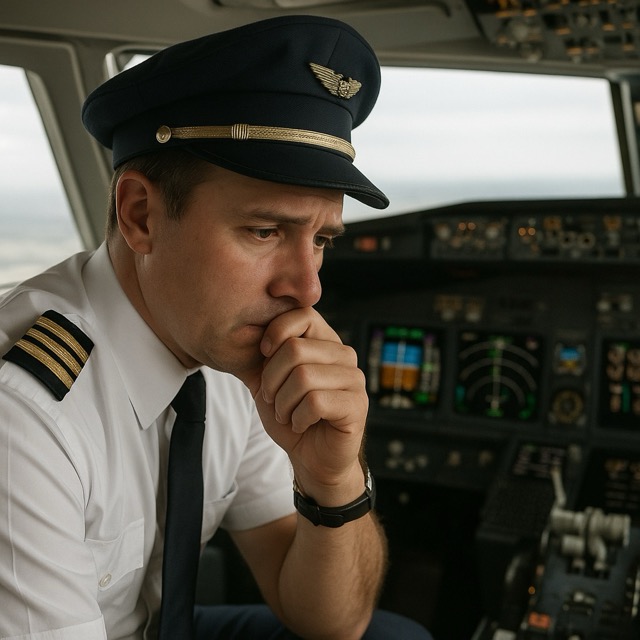
As commercial aviation returns to full capacity following years of pandemic disruptions, another crisis looms silently behind the cockpit door: pilot mental health. While strict regulatory oversight is designed to protect the public, a growing number of pilots say the rules are having the opposite effect — driving mental health issues underground.
In most major aviation markets, including the United States, Europe, and Asia, pilots are required to disclose any psychological or psychiatric conditions to their airline or aviation authority. Failure to do so can result in suspension or permanent grounding. These rules are grounded in tragic precedent, such as the 2015 Germanwings crash, where a pilot suffering from depression deliberately brought down a plane, killing all aboard.
But many pilots argue the system is too rigid and punitive. ‘You’re encouraged to speak up, but the moment you do, your livelihood is on the line,’ says an experienced transatlantic pilot who asked to remain anonymous. ‘So most of us don’t. We just push through.’
A 2024 survey by the International Federation of Air Line Pilots’ Associations (IFALPA) found that 64% of pilots had experienced symptoms of anxiety or depression in the past two years — but only 13% had reported it to their employer or a medical authority. Fear of professional repercussions was the leading reason given.
Experts say the aviation industry walks a fine line between ensuring fitness to fly and creating a climate of fear. ‘The safety-first culture is essential, but we also need a mental health model that doesn’t punish vulnerability,’ says Dr. Hannah Schultz, a clinical psychologist who works with airline personnel. ‘Otherwise, issues are hidden until they become catastrophic.’
Airlines and regulators have begun to take note. Some carriers have introduced peer support programs where pilots can speak confidentially with trained colleagues. Others, like Lufthansa and Delta, now offer anonymous counseling services, while new initiatives from EASA and the FAA seek to reevaluate outdated psychological screening practices.
Yet progress remains slow. Many pilots report that accessing mental health care means months of bureaucratic hurdles, forced medical leaves, and even pressure to resign. The stigma, particularly among older professionals, remains entrenched.
Captain Rebecca Tan, a former Singapore Airlines pilot, believes it’s time for reform. After voluntarily grounding herself due to panic attacks, she spent 18 months fighting to get her license reinstated. ‘If I had cancer, they’d offer support and rehabilitation,’ she says. ‘But with mental health, they treat you like a threat.’
As passenger numbers soar and cockpits face staffing shortages, the aviation industry cannot afford to ignore the mental strain on its front-line personnel. Balancing safety and compassion will be essential to keeping both pilots — and the people they fly — safe.
‘We’re not machines,’ says the anonymous transatlantic pilot. ‘We carry hundreds of lives, but no one asks how we’re doing. That needs to change.’



 The Tower Post