Heatwave and wildfire fears drive UK holidaymakers to postpone trips to Southern Europe
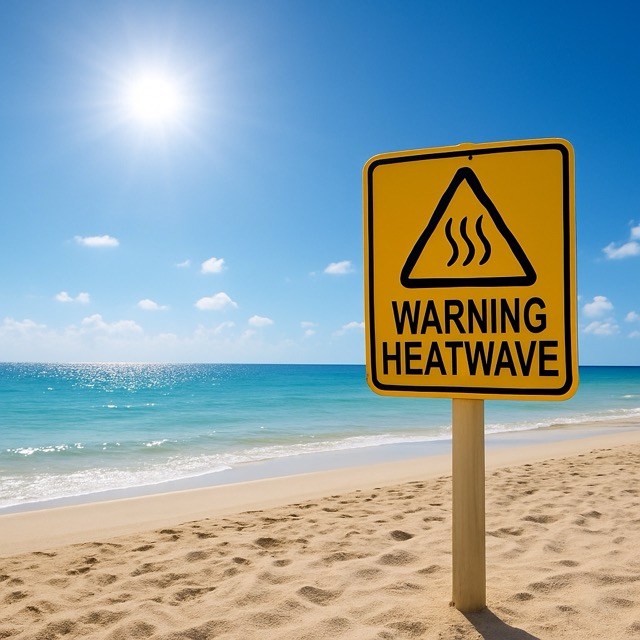
As temperatures soar across Southern Europe and wildfires rage through Mediterranean forests, British holidaymakers are increasingly avoiding traditional peak-season travel. Industry insiders report a marked shift in booking patterns: travellers are postponing their holidays to September and October, seeking cooler climes and reduced fire risk.
The trend has disrupted the sun-and-beach economies of Spain, Italy, and Greece, where local businesses typically rely on July and August influxes. “We’re seeing cancellations for August and a surge in September bookings,” said Emma Craig, sales director at SunRoutes, a leading UK travel agency. “Families are reluctant to travel when there’s a high probability of heat warnings or even evacuation alerts.”
Climate scientists attribute the spike in extreme weather to ongoing global warming. Southern European capitals such as Athens, Rome, and Madrid registered record-breaking highs this summer, with temperatures exceeding 40°C on multiple occasions. Wildfires have blanketed regions in smoke, forcing evacuations in parts of Andalusia and the Peloponnese.
“These conditions not only pose health hazards but also disrupt flights, ferries, and resort operations,” noted Dr Michael Hayes, a climatologist at the University of Birmingham. “When wildfires break out, airports can close due to reduced visibility, and roads are often blocked.”
Britons, according to the Association of British Travel Agents (ABTA), are adjusting travel plans accordingly. Its recent consumer survey found that 58 percent of UK travellers would rather holiday in lower-risk months, compared to 42 percent who remain committed to traditional summer slots. Booking data from major online platforms echoes this finding: September slot searches are up 35 percent year-on-year, while August slumps by 20 percent.
Southern European tourism boards are scrambling to adapt. The Spanish Tourist Office in London has launched a ‘Late Summer Sun’ campaign, highlighting lower peak temperatures and promotional hotel rates for autumn. “We’re promoting the Algarve and Costa Brava as ideal September destinations,” said Sofia Morales, head of marketing. “Visitors can enjoy sunshine without the extreme heat.”
In Italy, the Ministry of Tourism is partnering with regional governments to extend cultural event calendars. Festival organisers in Tuscany and Sicily have shifted wine harvest celebrations and open-air cinema showings into September. “We want to showcase our season’s beauty beyond August,” said Marco Romano, director of Italy’s National Tourism Board.
Yet not all stakeholders welcome the change. Some small businesses lament the revenue gap left by absent summer tourists. “August is when we pay our staff and cover maintenance,” said Maria Rizzo, owner of a family-run B&B in Puglia. Despite a flurry of late bookings, she fears the autumn rush will be insufficient to compensate for the summer shortfall.
Airlines, too, are feeling the impact. Low-cost carriers operating Mediterranean routes have trimmed flight frequencies in August and reallocated capacity to autumn services. “We’re adjusting our schedules to match demand,” explained Neil Patterson, spokesperson for BreezeAir. “Passenger load factors in August are down by nearly 15 percent.”
The shift is also influencing travel insurance policies. Providers are including broader coverage for heat-related cancellations and wildfire disruptions, at adjusted premium rates. “We’ve seen a notable increase in policy upgrades for comprehensive weather coverage,” said Lucy Garner, product manager at SafeJourney Insurance. “Clients want peace of mind against scenarios like all-inclusive resorts pausing operations due to nearby fires.”
Despite the challenges, some experts see opportunities. Destination operators in North Africa and Cyprus are reporting a milder impact, attracting sun-seekers wary of European heat. Adventure tourism firms in cooler Alpine regions are capitalising on the gap, offering trekking and cycling packages designed to fill summer itineraries.
Looking ahead, travel industry analysts predict that climate considerations will play a permanent role in holiday planning. “We’re entering an era where weather risk assessments will be as standard as passport checks,” said Simon Hughes, a travel economist at Global Insights. “Tour operators, insurers, and destination marketers must incorporate climate data into their core strategies.”
For now, British tourists appear determined to beat the heat, trading peak-season crowds for autumnal calm. As summer 2025 winds down, the true test for Southern Europe will be whether businesses can pivot swiftly enough to extend the season—and secure the livelihoods that hinge upon the arrival of UK travellers.




 The Tower Post