A Closer Look at the Unintended Consequences of Fast Fashion’s Most Promising Alternative
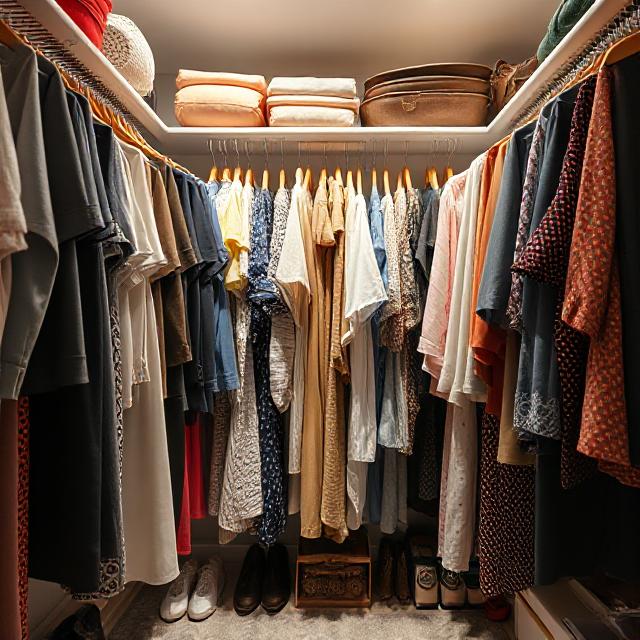
In recent years, thrift stores have experienced a surge in popularity, with nearly one in three consumers in the United States and Canada turning to secondhand shopping as a more sustainable and affordable alternative to fast fashion. However, a closer examination of the industry reveals a more complex reality, with many consumers unaware of the unintended consequences of their thrifting habits.
The secondhand fashion industry has grown significantly over the past five years, with the U.S. thrift store market size reaching $14.4 billion in 2023. Platforms such as Depop, Poshmark, and ThredUp have made secondhand shopping more accessible than ever, with consumers drawn to the promise of affordable, eco-friendly fashion. However, research has begun to reveal that thrifting may not be as sustainable as often portrayed.
According to a 2022 McKinsey report on the state of fashion, consumers are increasingly looking for ways to reduce their environmental footprint, and thrifting is becoming a method to limit textile waste. However, this idea significantly overlooks some key issues in the secondhand clothing industry. For instance, a significant portion of donated clothing does not make it onto the shelves of thrift stores, with only a small percentage of items being sold. The rest, often low-quality or unsellable items from the world of fast fashion, are discarded in landfills or shipped to developing countries, where they create large amounts of waste and disrupt local communities.
In countries such as Kenya, Ghana, and India, massive imports of secondhand clothing have led to dumpsites and waterway pollution due to inadequate waste management. In fact, a 2020 analysis in the Natural Resources Journal found that about 40% of the clothes exported to these countries are unsellable and become waste. This global issue has even reached the United Nations, raising concerns about how excess clothing negatively impacts local textile industries, making it harder for domestic businesses in developing countries to thrive.
Resellers have also contributed to the problem, purchasing thrifted items in bulk and reselling them at inflated prices, making it harder for lower-income shoppers to access affordable clothing. The rise of online thrifting platforms has encouraged this practice, turning the simple industry of secondhand fashion into a lucrative business rather than an affordable alternative. According to some reports, the prices at thrift stores have increased significantly, with basic items like jeans and sweaters now often priced at $20 or more.
Consumers are now expressing concerns over the rising prices in secondhand stores, with some complaining on social media platforms such as X and Reddit. Thrift shoppers like Jennifer G. in Houston, Texas, lament the loss of affordability, pointing out that even basic items like jeans and sweaters are now often priced at $20 or more.
Experts suggest that sustainability does not come from shopping in second-hand stores, but from reducing overall consumption. The most effective way to combat the environmental impact of fast fashion is to simply buy less, support ethical brands that prioritize fair wages, and invest in higher-quality clothes that last longer. Transparency within the thrift industry is also crucial, with organizations needing to become more upfront about the fate of unsold clothing and consumers donating more responsibly.
Ultimately, thrift culture cannot fix the deeply rooted issues of fast fashion. It will take a real shift in consumer behavior to prioritize mindful consumption over endless buying and reselling cycles. As the fashion industry continues to grapple with the consequences of fast fashion, it is essential to re-examine our approach to fashion and prioritize sustainability, affordability, and transparency.




 The Tower Post