A Global Industry at Stake

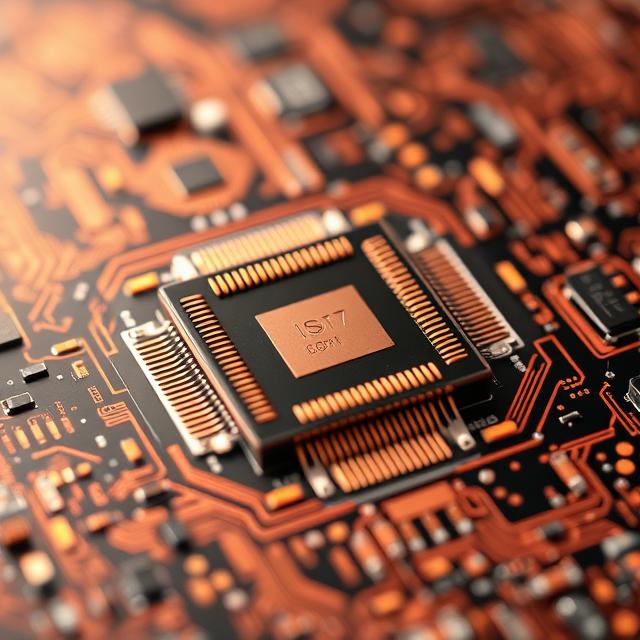
US President Donald Trump has announced plans to introduce 100% tariffs on semiconductor imports, a move that could have far-reaching consequences for the global tech industry. Semiconductors, also known as microchips or integrated circuits, are tiny fragments of raw materials, such as silicon, that can partially conduct electricity and are used as electronic switches in a range of devices, from smartphones and laptops to video game consoles and pacemakers.
The world’s supply of semiconductors is heavily reliant on Taiwan, with Taiwan Semiconductor Manufacturing Company (TSMC) providing over half of the world’s supply. Founded in 1987, TSMC has become a global leader in semiconductor manufacturing, producing chips for tech giants like Nvidia, Apple, and Microsoft. However, the US and China have been engaged in a so-called “chip war,” with each country trying to slow or cut off the other’s access to essential components, materials, and parts of supply chains.
The US has been trying to reduce its reliance on foreign semiconductor suppliers for several years, with the US Chips Act being a key part of this effort. The act provides funding awards to firms that commit to moving chip manufacturing to the US, with TSMC being a major beneficiary. The company has built a factory in Arizona, which has created thousands of jobs and brought significant investment to the region.
However, the production at the factory has faced delays due to a shortage of skilled workers. The company reportedly resolved its staff shortage by bringing thousands of workers over from Taiwan, a move that has raised concerns about the impact on the local job market. The US has also been working to develop its own semiconductor manufacturing capabilities, with the Department of Defense investing in several new facilities.
Trump’s plan to impose 100% tariffs on semiconductors is part of his “reciprocal” tariffs policy, aimed at encouraging firms to manufacture more products in the US. The move has been met with concern from the tech industry, as it could lead to delays and price rises for electronics. However, Trump has said that companies committing to manufacturing in the US would not face the levy, and has cited national security concerns about microchips being produced or sourced from elsewhere.
The impact of Trump’s plan on the global tech industry remains to be seen, but it is clear that the stakes are high. The US is trying to become a more significant player in the global semiconductor market, but it faces significant challenges, including a shortage of skilled workers and a complex supply chain. The fate of the global tech industry hangs in the balance as the US government continues to navigate the complex world of semiconductors.