Tensions Escalate as EU Feels the Sting of a One-Sided Trade Deal and Berlin’s Undercuts
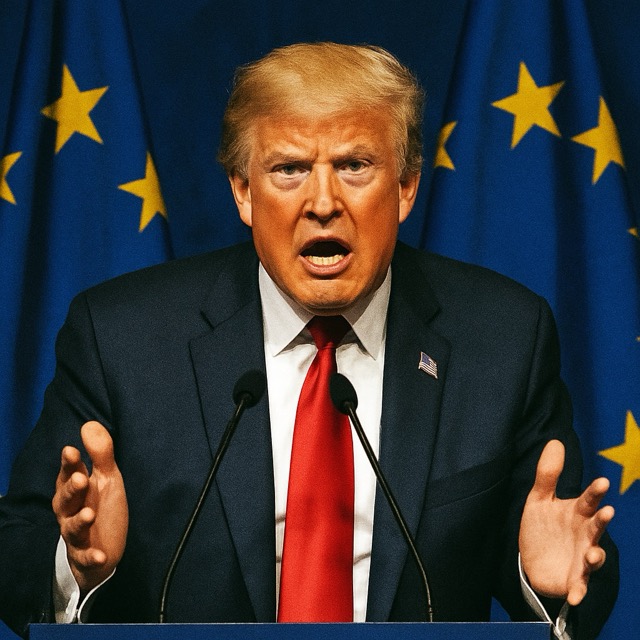
Brussels – In a brash statement that has rattled EU policymakers, former U.S. President Donald Trump has threatened to impose tariffs as high as 35% on European imports if Brussels does not renegotiate the controversial trade deal he struck earlier this year. “The Europeans have the best negotiators, yet they come back with a bad deal and expect us to kneel? It’s not going to happen,” Trump declared during a speech at a rally in Ohio.
The threat comes at a delicate moment for the European Commission, which is still reeling from criticism over concessions made under the so-called “Scotland Accord”—a sector-specific agreement aimed at balancing U.S. demands for greater market access with EU protections for sensitive industries. Critics argue the deal heavily favored American interests, leaving the EU vulnerable to retaliatory measures.
EU Trade Commissioner Valdis Dombrovskis urged calm, stating that the Commission “remains committed to dialogue and constructive engagement” with Washington. However, several member states, notably Germany, have signaled reluctance to ratify the agreement without stronger safeguards against unilateral U.S. tariffs.
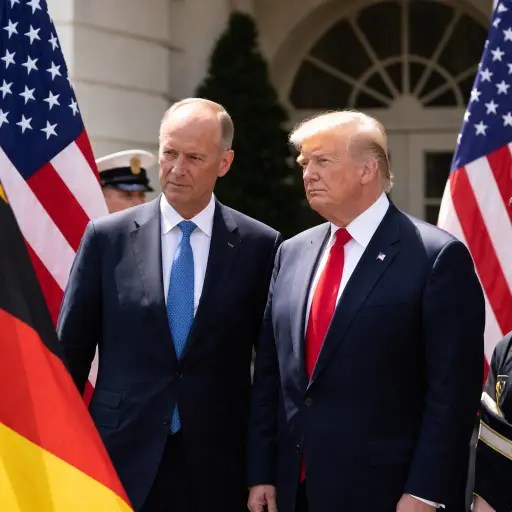
Adding to Brussels’ woes, German Chancellor Olaf Scholz has quietly pursued parallel trade talks with Beijing, effectively bypassing EU mechanisms. Observers suggest Berlin’s back-channel diplomacy seeks to secure alternative markets and reduce dependence on both the U.S. and intra-EU solidarity.
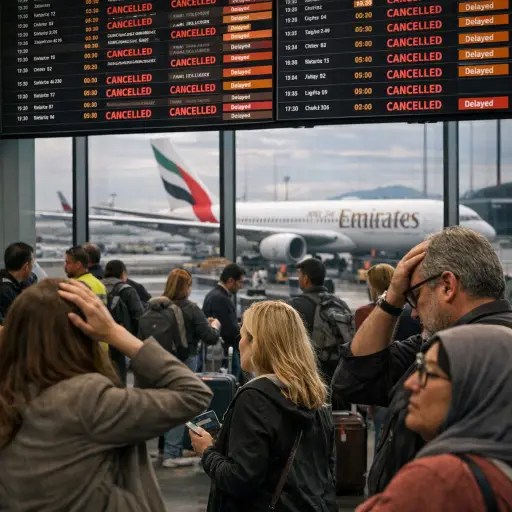
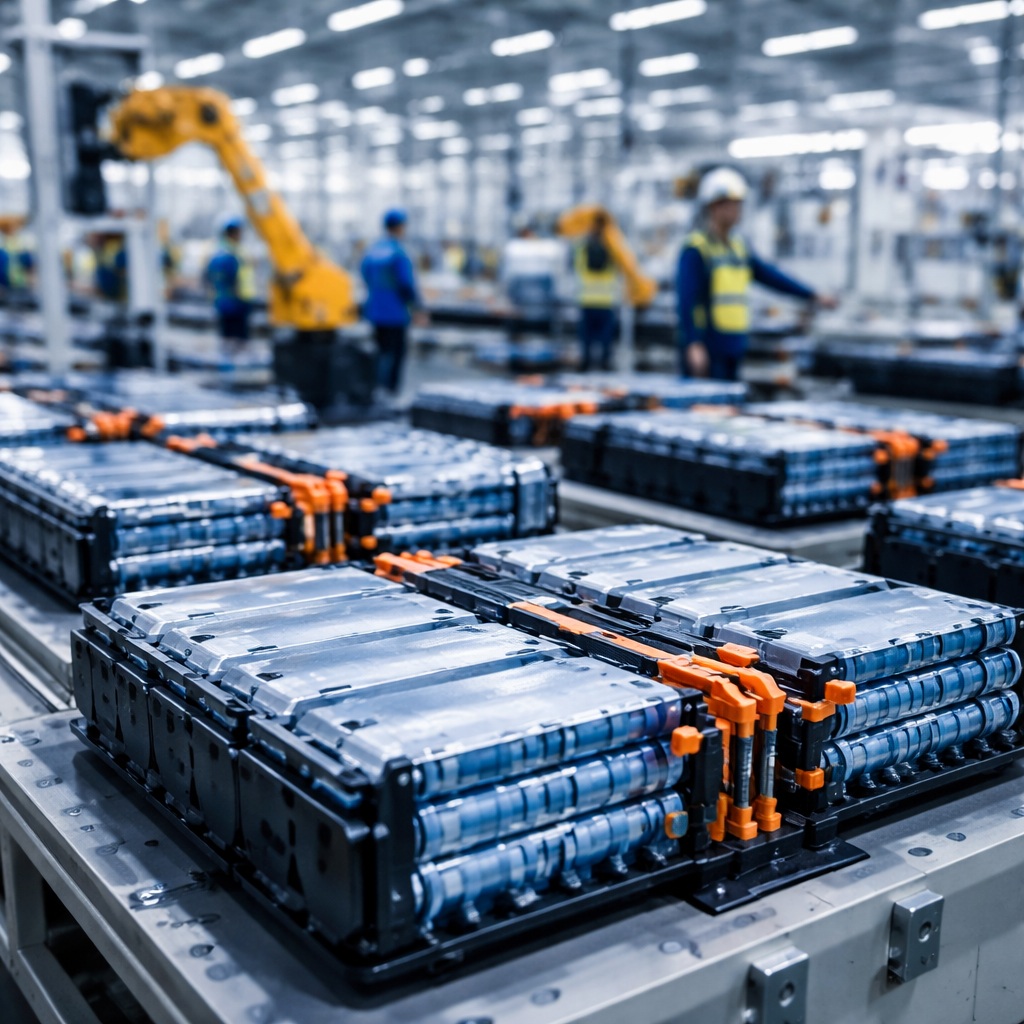
Political analysts warn that Trump’s 35% tariff gambit could upend global supply chains, hitting key European exporters in sectors such as automotive, machinery, and agricultural products. “This is more than just posturing,” said Marcus Hein, an economist at the European Policy Centre. “Tariffs at this level would inflict severe economic damage across the continent.”
Behind the scenes, the Commission is exploring legal avenues to challenge any abrupt tariff hikes under WTO rules, while also preparing contingency plans to support affected industries. Emergency loans and temporary tax relief packages are reportedly under discussion among EU finance ministers.
On the diplomatic front, Commission President Ursula von der Leyen is set to visit Washington next month, aiming to soothe tensions and secure “predictability and certainty” for European businesses. Yet, insiders concede her leverage is limited, given the optics of the Scotland Accord and internal EU divisions.
In a leaked memo, senior Commission officials lament that Berlin’s independent maneuverings have undercut Brussels’ negotiating position, describing the situation as “a double blow of folly and betrayal.” Nonetheless, Germany’s strategic pivot reflects broader concerns about maintaining competitiveness in a fractious geopolitical environment.
Meanwhile, business leaders across Europe are decrying the specter of punitive tariffs. The head of the German Automakers Association warned of potential factory closures and job losses, urging member states to present a united front. “Unity is our only defense against arbitrary economic coercion,” he said.
As the EU braces for another round of Trumpian pressure, the question looms: can Brussels salvage credibility and cohesion in the face of high-stakes brinkmanship? One thing is clear—subordination to U.S. demands, as Trump put it, “won’t cut it this time.”

 The Tower Post