Fast Fashion Retailer Accused of Vague and Misleading Sustainability Messages
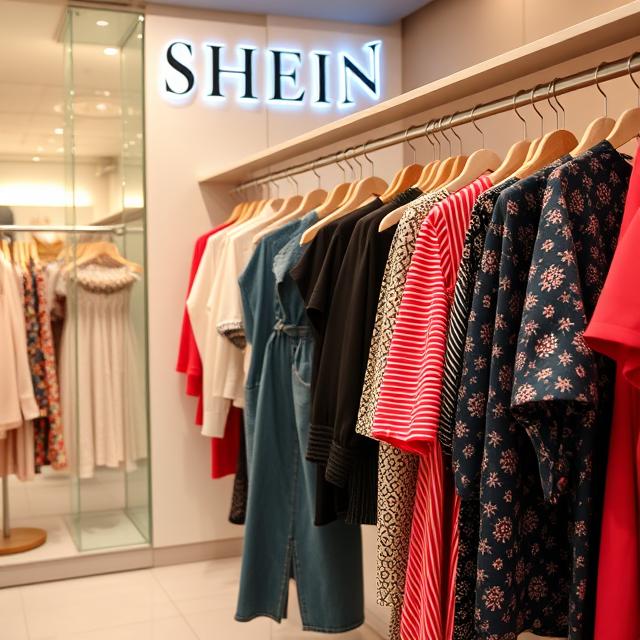
Shein, the Chinese fast fashion retailer, has been fined €1m by Italy’s competition authority, AGCM, for making “misleading or omissive” environmental claims about its products. This is the second time in as many months that Shein has been targeted by European regulators for its environmental sustainability and social responsibility claims.
According to AGCM, Shein’s website and promotional materials contained vague, generic, and overly emphatic environmental claims, as well as misleading or omissive statements. The regulator found that Shein’s claims about product circularity and recycling were either false or confusing, and that its claims about the sustainability of its “evoluSHEIN by Design” collection were overstated.
The fine was imposed on Infinite Styles Services Co Ltd, a Dublin-based company that operates Shein’s website in Europe. In a statement responding to the ruling, Shein said that it had cooperated fully with the AGCM and had taken immediate action to address the concerns raised.
This latest criticism of Shein comes after the French regulator handed the company a €40m penalty for “deceptive commercial practices” in July. The EU justice commissioner, Michael McGrath, has also expressed concern about the toxicity and dangers of some goods being sold by Shein and its competitor Temu.
The Italian fine is a blow to Shein’s reputation, which has been criticized for its fast fashion business model that prioritizes cheap, synthetic clothes over sustainability and environmental responsibility. The company’s “evoluSHEIN” roadmap, which promises to address these issues, has been criticized as vague and misleading.
Shein’s critics argue that the company’s business model is contributing to a plastic pollution crisis through the oversupply of cheap synthetic clothes. The company’s claims about sustainability and environmental responsibility have been widely disputed, and the Italian fine is a clear indication that regulators are taking these concerns seriously.
The fine is a significant blow to Shein’s business, but it is also an opportunity for the company to re-evaluate its approach to sustainability and environmental responsibility. As the world grapples with the consequences of fast fashion, companies like Shein must take responsibility for their impact on the environment and their customers.
The Impact of Fast Fashion
Fast fashion has become a major contributor to the world’s environmental problems, including climate change, pollution, and waste. The fast fashion business model prioritizes cheap, trendy clothes over sustainability and environmental responsibility, leading to a culture of disposability and overconsumption.
Shein’s business model is a prime example of the problems with fast fashion. The company’s business model relies on cheap, synthetic materials and a just-in-time supply chain that prioritizes speed over sustainability. This has led to a culture of overconsumption and waste, with many customers buying multiple items at once and discarding them quickly.
Regulatory Action
The Italian fine is the latest in a series of regulatory actions against Shein and other fast fashion retailers. In July, the French regulator handed the company a €40m penalty for “deceptive commercial practices”. The EU justice commissioner, Michael McGrath, has also expressed concern about the toxicity and dangers of some goods being sold by Shein and its competitor Temu.
Other regulators have also taken action against fast fashion retailers. In the UK, the Advertising Standards Authority has banned several fast fashion retailers from making environmental claims about their products. In the US, the Federal Trade Commission has taken action against several fast fashion retailers for making false or misleading environmental claims.
The Future of Fast Fashion
The Italian fine is a significant blow to Shein’s business, but it is also an opportunity for the company to re-evaluate its approach to sustainability and environmental responsibility. As the world grapples with the consequences of fast fashion, companies like Shein must take responsibility for their impact on the environment and their customers.
The future of fast fashion will depend on companies like Shein taking a more sustainable approach to their business model. This will involve prioritizing sustainability and environmental responsibility over speed and cheapness. It will also involve working with regulators and other stakeholders to ensure that the industry is held accountable for its impact on the environment.
Conclusion
The Italian fine is a significant blow to Shein’s business, but it is also an opportunity for the company to re-evaluate its approach to sustainability and environmental responsibility. As the world grapples with the consequences of fast fashion, companies like Shein must take responsibility for their impact on the environment and their customers. The future of fast fashion will depend on companies taking a more sustainable approach to their business model, prioritizing sustainability and environmental responsibility over speed and cheapness.



 The Tower Post