Move seen as Tehran’s signal to rein in radical factions amid escalating regional pressures
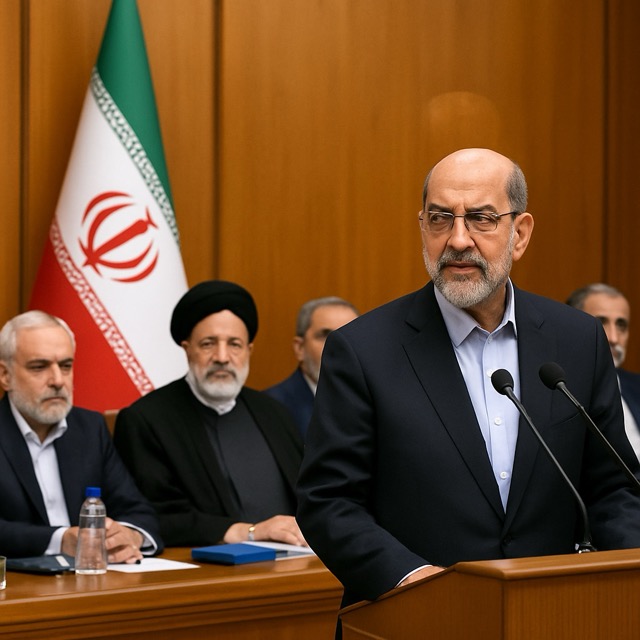
Tehran, Iran – In a notable shift within Iran’s power structure, Supreme Leader Ayatollah Ali Khamenei has appointed veteran diplomat Ali Shamkhani to chair the Supreme National Security Council (SNSC), the nation’s highest security decision-making body. Analysts view the move as a deliberate effort to curb the influence of hardline elements and project a more unified front in the face of mounting regional and international challenges.
Ali Shamkhani, 70, brings decades of experience to his new post, including service as Iran’s Minister of Defense from 1997 to 2005 and a tenure as SNSC secretary between 2013 and 2021. Known for his measured diplomacy and pragmatic approach, Shamkhani replaces Mohsen Rezaei, whose tenure was marked by a string of hawkish statements and a hardline posture toward the United States and its allies.
“This appointment underscores the Supreme Leader’s desire for balance and stability,” said political commentator Fatemeh Sadeghi from the University of Tehran. “Shamkhani’s track record suggests a focus on strategic restraint rather than confrontation, which is critical as Iran navigates complex challenges at home and abroad.”
Over the past year, Iran has faced record-breaking protests over economic hardship, continuing US sanctions, and tension in the Persian Gulf. The SNSC plays a pivotal role in shaping Iran’s security, overseeing military directives, nuclear policy deliberations, and coordination with the Islamic Revolutionary Guard Corps (IRGC). Its leadership thus carries significant weight in Tehran’s strategic calculus.
International observers noted that Shamkhani’s moderate reputation may facilitate tentative rapprochement with Western nations. “His appointment could open discreet backchannels to Europe and even Washington,” said Middle East expert Dr. Michael Reynolds at the Atlantic Council. “While official sanctions relief remains elusive, confidence-building measures might be on the table.”
Domestically, the reshuffle signals Tehran’s acknowledgment of public discontent. Hardliners, who have dominant sway over domestic security agencies, may find their latitude reduced under Shamkhani’s leadership. Reports indicate that several senior IRGC commanders expressed reservations privately, fearing that a more centrist approach could dilute their authority.
Shamkhani’s first task will be to oversee the SNSC’s annual strategic review, slated for later this month. Agenda items include border security with Afghanistan, nuclear enrichment thresholds, and drone deployment in regional theaters. His diplomatic engagements in Baghdad and Vienna—where he attended international security forums—suggest he may prioritize dialogue over escalation.
“We are witnessing a rare confluence of pragmatism and ideological cohesion,” observed analyst Leila Amiri of the Chatham House think tank. “Shamkhani’s credibility among moderate clerics and reformists could foster internal consensus on critical issues.”
The appointment also arrives amid heightened tensions in the Strait of Hormuz, where Iranian forces have repeatedly intercepted commercial vessels suspected of aiding adversaries. Tehran maintains that Shamkhani will ensure any response is calibrated rather than reactionary, aiming to avoid accidental escalation.
As Iran charts its security course under new leadership at the SNSC, regional capitals and global powers will be watching closely. Whether Shamkhani can broker a balance between deterrence and diplomacy may determine Tehran’s standing and stability in the turbulent Middle Eastern landscape.

 The Tower Post