Washington’s Deadline Sparks Cabinet Rift as PM Salam Faces Domestic Backlash
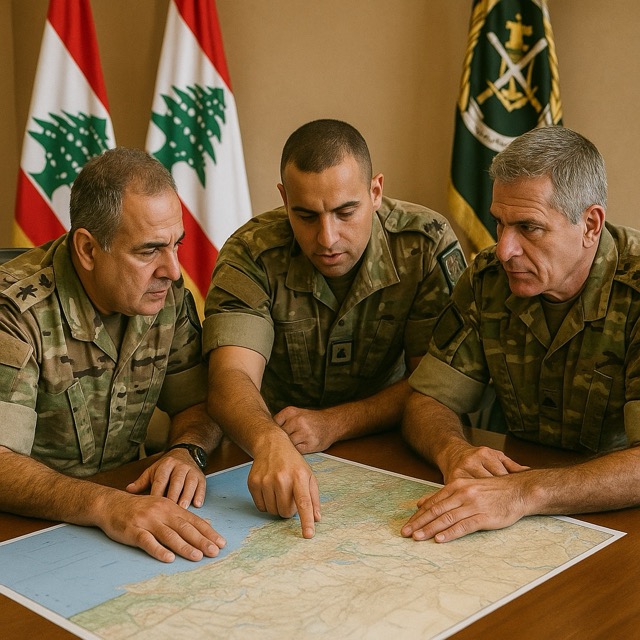
Lebanon’s government issued a landmark directive to its armed forces: produce a comprehensive plan to disarm Hezbollah by December 31. The order, driven by mounting pressure from Washington for Lebanon to curb non-state militias, has thrust Prime Minister Nawaf Salam into the eye of a domestic and international storm.
The U.S. demand comes amid fears in Washington that Hezbollah’s arsenal and political influence undermine Lebanon’s sovereignty and fuel regional instability. In recent weeks, U.S. envoys have pressed Beirut’s leaders to commit to a clear roadmap for curbing the group’s military wing—a component of Hezbollah deemed a terrorist organization by several Western capitals.
Domestically, the directive has cracked fault lines within Salam’s unity cabinet. Veteran ministers from parties aligned with Hezbollah have condemned the order as an infringement on Lebanon’s political balance and a dangerous capitulation to foreign dictates. In contrast, independent ministers argue that Lebanon’s survival hinges on reforming security structures and reducing external entanglements.
Defense Minister Ali Hassan defended the measure in Cabinet discussions, emphasizing that the army plan would respect constitutional safeguards and national consensus. “This is not an attack on any community,” he told colleagues, “but a necessary step to ensure the state’s monopoly on legitimate force.” Still, opposition voices decried the plan as a prelude to civil discord, warning that any attempt to seize Hezbollah’s weapons could reignite sectarian tensions.
Hezbollah itself has remained defiantly silent on the government’s order, opting to portray the motion as an episode in Washington’s broader campaign of coercion. Social media channels loyal to the group have circulated statements condemning U.S. interference, even as senior commanders reportedly review the Lebanese army’s capabilities and potential response scenarios.
Regional actors are watching closely. Iran, Hezbollah’s principal patron, has issued veiled threats against escalating pressure on the group, while Gulf states supportive of Beirut’s political stability have urged dialogue. In parallel, UN envoys in Beirut are preparing a special briefing on how arms-control measures could be implemented without igniting a wider crisis.
The coming months will test Lebanon’s political resilience. For PM Salam, balancing U.S. expectations with domestic unity represents a formidable challenge. If the army’s plan takes shape on schedule, it may mark a turning point in Lebanon’s postwar recovery. If it falters, however, the government risks alienating key factions and deepening the schism that has long hindered the country’s fragile democracy.


 The Tower Post