New US import duties take effect as world capitals scramble to mitigate the impact
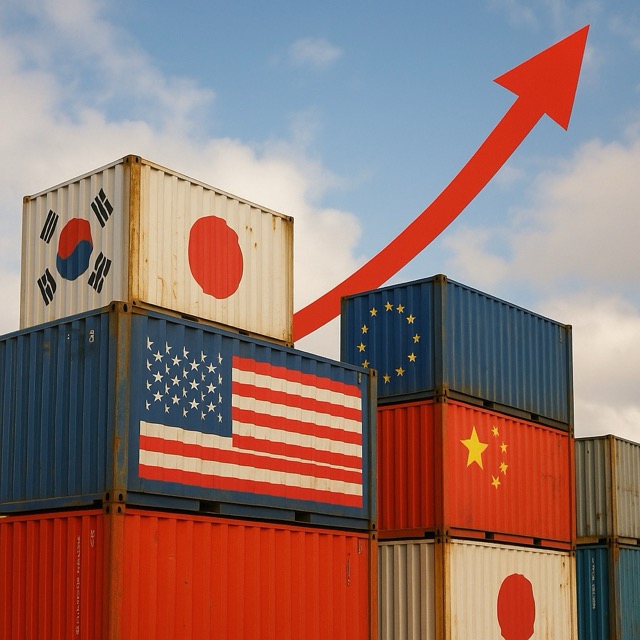
In August 2025, the global trade landscape shifted dramatically as President Donald Trump’s new tariffs officially took effect, marking the highest level of US import duties in over a century. The move, long anticipated by economists and business leaders, heralds a new era of economic nationalism and intensifying trade rivalries. As goods cross borders under significantly increased levies, the world watches closely to see how markets and policymakers will adapt.
The centerpiece of Trump’s economic agenda, the tariffs target a broad range of goods, from electronics and machinery to textiles and automobiles. According to the Office of the United States Trade Representative, average US duties have climbed from 2.5% to nearly 15%, with specific rates hitting as high as 50% on selected categories. These measures represent the most sweeping overhaul of American trade policy since the Smoot-Hawley Tariff Act of 1930.
The administration argues that the tariffs are essential to protect domestic industries and to correct what it describes as decades of unfair trade practices by foreign competitors. In a statement released on the eve of implementation, the White House claimed the levies would “restore the balance in trade relationships and incentivize manufacturing jobs to return home.” Supporters within the Republican Party praised the move as a bold stand for American workers.
However, the escalation has not come without pushback. Foreign capitals, alarmed by the potential for reduced exports, have engaged in frantic lobbying efforts to secure exemptions or delays. The European Union, China, Canada, and Mexico all registered formal objections with the World Trade Organization (WTO), warning that the measures could trigger a global slowdown and retaliatory tariffs. In Brussels, EU Trade Commissioner Elisa Rodriguez called the duties “disproportionate” and vowed to pursue “all necessary legal avenues” to challenge the US action.
Financial markets reacted nervously in the days leading up to the tariff enforcement. The Dow Jones Industrial Average fell by 1.8% on August 1, while commodities sensitive to trade flows, such as copper and crude oil, saw increased volatility. According to analysts at Goldman Sachs, the introduction of broad-based tariffs could shave 0.5 percentage points off US GDP growth in the coming year, as businesses adjust supply chains and consumers face higher prices.
In Asia, manufacturing hubs are scrambling to absorb the shock. Factories in South Korea and Japan have begun exploring new production sites in Southeast Asia to avoid US duties, while Chinese exporters face the dual challenge of tariffs and weakened demand. “We’re seeing a rapid shift in our sourcing strategies,” said Li Wei, CEO of a major electronics supplier in Shenzhen. “Companies are looking to Vietnam and Malaysia as alternatives to China for American-bound shipments.”
Emerging markets, too, feel the ripple effects. In Latin America, Mexican auto plants fear losing competitiveness due to elevated US duties on components. In Brazil, agribusiness leaders warned that the higher cost of American agricultural equipment could hamper productivity. Economists caution that the broad reach of the tariffs makes it difficult for any country to remain insulated from the fallout.
Beyond the immediate economic jostling, experts warn of longer-term geopolitical consequences. The tariffs could exacerbate tensions between the United States and its traditional allies, undermining cooperation on global issues such as climate change and security. “Trade policy is becoming a front in a broader strategic contest,” observed Dr. Karen Fletcher, a trade specialist at the Council on Foreign Relations. “We risk fragmenting the global order at a time when collective action is vital.”
Despite the turbulence, some sectors stand to gain. Domestic steel and aluminum producers have already increased output in response to US duties on metal imports. Small American manufacturers that compete directly with imported goods anticipate a boost in demand. “For years, we watched foreign competitors flood the market at unfair prices,” said Marlene Jenkins, owner of a Midwest fabrication shop. “Now we have a fighting chance.”
As August unfolds, the full impact of the tariffs will become clearer. Will the steep levies succeed in bringing jobs back and rebalancing trade, or will they trigger a spiral of retaliation and global slowdown? For now, the world has entered a new phase of economic rivalry, one defined by higher barriers and strategic maneuvering. The century-high tariffs are not merely a policy shift; they represent a test of the resilience and adaptability of the global trading system.

 The Tower Post