From Nostalgia to Revival: Topshop’s Quest to Win Over a New Generation
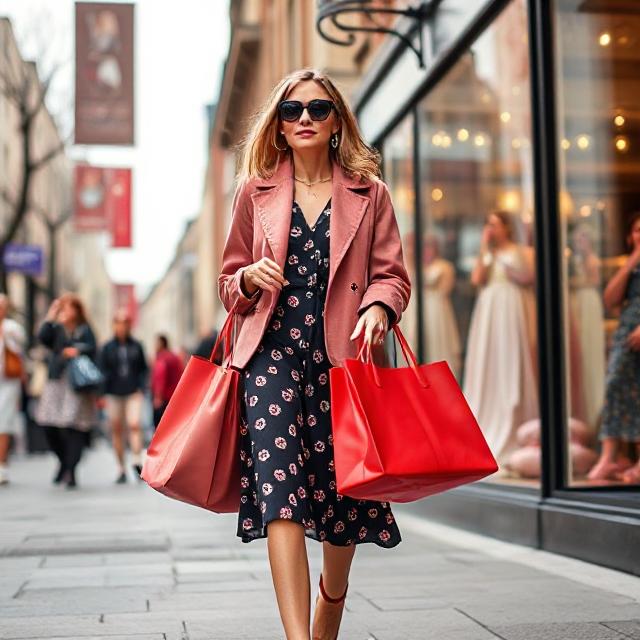
Topshop, the iconic British fashion brand, is set to make a triumphant return to the catwalk after a seven-year hiatus. The brand, which was once a rite of passage for young women finding their style on the high street, is gearing up to hold its first catwalk show since 2018. The event, which will take place next weekend, is expected to feature campaign star Cara Delevingne and will be open to the public.
The announcement has sparked nostalgia among fans who remember the brand’s golden age in the 1990s and 2000s. For many, the Oxford Circus store was a destination in itself, a place where hours could be lost browsing the racks and discovering new fashion trends. “It was like an immersive amusement park for the teenage girl,” says Vogue fashion writer Olivia Allen. “The closest you could get to living inside a coming-of-age makeover movie.”
However, the brand’s relevance has diminished since its flagship store closed in 2021, and its parent company, Arcadia, went into administration. But with the Danish billionaire Anders Holch Povlsen buying a 75% stake in the company last year, Topshop is now looking to revamp its image and appeal to a new generation of customers.
According to Asos’s managing director, Michelle Wilson, standalone stores are in the works, and the brand is committed to providing high-quality, affordable fashion that reflects the values of younger customers. “We’re not just about fast fashion,” Wilson said in an interview with the Sunday Times. “We’re about fashion with integrity, and that means monitoring our supply chains and ensuring that our products are made with care and attention to detail.”
One of the key factors that contributed to Topshop’s success in the past was its ability to collaborate with high-end designers, such as JW Anderson and Christopher Kane. These partnerships not only helped to elevate the brand’s status but also allowed it to tap into the desires of fashion-conscious consumers. Jane Shepherdson, the brand’s former creative director, credits the collaborations as a major factor in the brand’s success. “We had a shared vision,” she says. “What we wanted to do was to completely exceed and blow away our customers’ expectations. Give them something that was so much better than they were expecting.”
However, the brand’s focus on fast fashion and trend-driven designs also led to criticism from consumers and critics alike. The brand’s reliance on cheap, disposable clothing contributed to the growing problem of fashion waste and the environmental impact of the industry. In an effort to address these concerns, Asos has committed to a “fashion with integrity” strategy, which prioritizes sustainability and transparency in its supply chains.
But can Topshop truly reclaim its cachet, or is it too late? As Elle’s contributing editor Laura Antonia Jordan notes, the brand’s appeal lies in its ability to evoke nostalgia in millennials and older members of gen Z. “I guess the dilemma for the new Topshop is: are you appealing to the millennial demographic for whom it was a real rite of passage or are you going after the version of us now?” Jordan asks. “I don’t know if it can charm them in the same way because they are spoiled for choice.”
The brand’s decision to target a new generation of customers has also raised questions about its ability to remain relevant in a rapidly changing fashion landscape. With the rise of online shopping and social media, consumers have more options than ever before, and the brand will need to adapt to these changing habits if it hopes to succeed.
Only time will tell whether Topshop’s return to the catwalk will be a resounding success, but one thing is certain: the brand’s revival is a testament to the enduring power of fashion to evoke emotions, create memories, and inspire a sense of belonging.




 The Tower Post