Activists warn that domestic politicians are enabling China’s subversion even as military threats loom
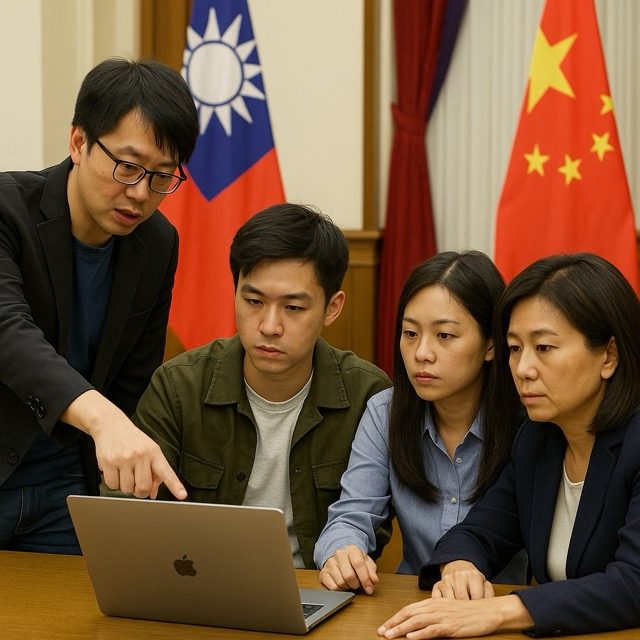
Taiwan’s civil society has turned its critical eye inward, accusing politicians across the island’s political spectrum of facilitating Beijing’s clandestine subversion efforts. While Taipei and its Western allies have focused predominantly on the People’s Republic of China’s military maneuvers in the Taiwan Strait, human rights advocates and democracy activists contend that the most insidious threat may lie within Taiwan’s own corridors of power.
Over recent months, several non-governmental organizations have published reports alleging that lawmakers and regional officials have accepted campaign donations from front companies linked to mainland intelligence services. These contributions, activists say, come with strings attached: softening legislative language on cross-strait agreements, delaying bills to strengthen national cybersecurity, and obstructing investigations into suspected PRC agents operating on the island.
“A textbook approach of honey traps rather than hammer strikes,” explains Huang Mei-ling, director of the Taipei Democracy Watch. “Beijing’s operatives know that good governance is Taiwan’s strength. By co-opting our lawmakers, they erode public trust and hollow out our democratic institutions from the inside.”
Evidence compiled by independent researchers points to a pattern of political donations traced to shell corporations with ties to Chinese state-backed enterprises. In one instance, city council members in southern Taiwan reportedly voted against a local resolution condemning human rights abuses in Xinjiang after receiving contributions totaling NT$2 million. Similarly, draft legislation to broaden media ownership transparency was stalled in committee, with staff citing “unforeseen delays” tied to promised cross-strait economic cooperation.
Mainland Affairs Council Minister Lin Yu-chang, however, downplayed the allegations in a recent press conference. “Taiwan’s democratic institutions are robust,” he asserted. “We welcome scrutiny, but we must be cautious of unfounded claims that could sow division.” Critics retort that without impartial, high-profile inquiries, a climate of impunity will persist.
For grassroots activists, the stakes are existential. Organizations such as Civic Taiwan and the Formosa Association have organized public forums and delivered petitions to the presidential office, demanding stricter campaign finance laws and enhanced voter education on foreign interference. “The battlefield for democracy is not just the skies above Taiwan but the ballots in our hands,” says civic activist Wang Bo-chieh. “Unless we expose these hidden currents, we risk waking up in a society where the will of the people counts for little.”
Opposition voices within the Legislative Yuan have seized on the controversy to attack the ruling party’s record on national security. Meanwhile, backbenchers from both major parties have quietly introduced amendments to the Anti-Infiltration Act, aiming to close loopholes cited by activists. Yet to date, no concrete action has been taken, and several proposed revisions have languished without a vote.
International observers note that Taiwan’s internal challenges mirror broader global trends in democratic backsliding. “Beijing remains adept at exploiting political vulnerabilities, and Taiwan’s situation is a warning for all democracies,” remarks Dr. Evelyn Cho, a policy analyst at the East Asia Institute. “Unless transparency and accountability are prioritized, the very freedoms Taiwan defends could be undermined from within.”
As the presidential election cycle ramps up toward 2026, the urgency of these allegations cannot be overstated. For Taiwan’s defenders of democracy, the clarion call is clear: guard against threats not only at the frontline of military deterrence but also within the halls of government where the seeds of subversion may quietly take root.


 The Tower Post