From the UAE desert to Dublin’s outskirts, AI’s energy surge threatens climate targets
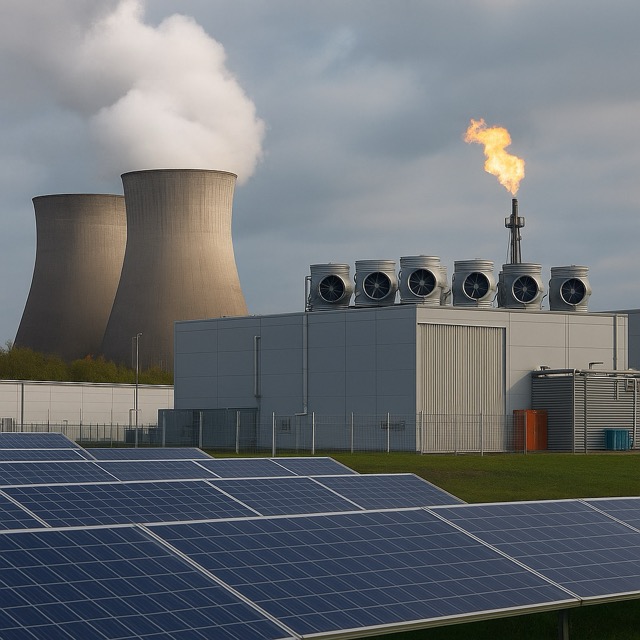
Abu Dhabi – The rapid expansion of artificial intelligence (AI) data centers has ignited a wave of investment in fossil fuel infrastructure across the globe. In the deserts of the United Arab Emirates, multi-billion-dollar gas power plants are being erected to meet the intense electricity demands of sprawling server farms, raising concerns that the technology at the heart of the digital revolution may undermine the fight against climate change.
While major cloud providers tout commitments to renewable energy, analysts point out that new green power capacity has struggled to keep pace with data center growth. In Abu Dhabi, the recent commissioning of the 1.2 GW Al Reyadah gas-fired plant was fast-tracked to ensure uninterrupted operation of an adjacent hyperscale AI campus. Local officials argue that natural gas offers a reliable bridge until solar and wind projects come online, but environmental groups warn it perpetuates carbon lock-in.
Closer to Europe, on the outskirts of Dublin, planners have granted permits for two new data centers coupled with modular gas turbines. Irish energy experts say these “peakers” will run only during demand spikes but could still account for up to 15% of the country’s annual CO₂ output.
“We are witnessing a paradox: technologies that enable carbon-efficient digital transformation are simultaneously driving fossil fuel growth,” said Dr. Laura McKinley, a climate scientist at Trinity College Dublin. “If we fail to align AI ambitions with clean energy scale-up, we risk derailing progress on emissions reductions.”
Industry response has been mixed. Google and Microsoft have increased renewable energy purchases but concede that contract lengths and grid constraints impede matching every megawatt-hour with zero-carbon electrons. Meanwhile, smaller AI startups often rely on local grid supplies powered by coal or gas, locking in higher emissions per computation unit.
In the UAE, the state-run utility’s strategic plan now allocates 60% of new generation to natural gas through 2030, relegating solar expansion to incremental additions. Critics argue this composition undermines the nation’s 2050 Net Zero by 2050 pledge.
Back in Ireland, renewable advocates are calling for policy reforms to mandate 100% clean energy for data centers by 2026. Proposals include priority grid access for renewables and stricter carbon pricing mechanisms. “Without strong regulations, data centers will follow the cheapest power available, not the cleanest,” warned Fiona O’Brien of the Irish Green Energy Council.
As AI workloads surge—forecast to double global data center electricity use by 2027—the choice of energy source becomes critical. Governments and industry must coordinate to ensure that the backbone of tomorrow’s digital economy is built on a sustainable, rather than fossil, foundation.
This visual story underscores a global crossroads: invest in a cleaner grid now or cement a carbon-intensive infrastructure that may prove irreversible. The future of AI and the climate may hinge on the decisions made today.



 The Tower Post