Court ruling forces UK tax authority to confirm whether artificial intelligence influenced R&D tax credit rejections
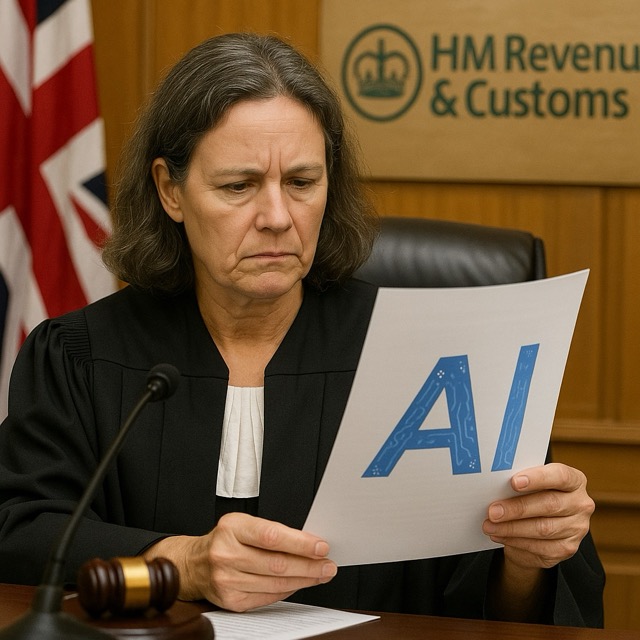
In a landmark decision that could have far-reaching implications for government transparency and the use of artificial intelligence in public administration, HM Revenue & Customs (HMRC) has been ordered to reveal whether it used AI tools when making critical judgments on tax credit claims.
The ruling, handed down this week by the UK’s Information Rights Tribunal, follows a protracted legal battle sparked by a freedom of information request from a small business owner whose research and development (R&D) tax credit application had been rejected. The requester sought clarity on whether AI systems had played a role in evaluating or rejecting claims, amid growing concerns about algorithmic decision-making in public services.
HMRC had initially refused to confirm or deny the use of AI, arguing that disclosing such details could compromise its enforcement capabilities and lead to manipulation of the system. However, the tribunal found that transparency outweighed those concerns, noting that taxpayers have a right to know whether automated processes influence decisions that can have major financial consequences.
Judge Eleanor Reeves, delivering the decision, stated: “The public’s trust in the fairness and accuracy of HMRC’s decision-making depends on openness about the methods and tools used. The potential for AI to shape outcomes demands a level of scrutiny commensurate with its impact.”
The case comes at a time of heightened debate over the role of artificial intelligence in government. Advocates argue that AI can increase efficiency, reduce human error, and streamline processes, while critics warn of biases, lack of accountability, and the erosion of human oversight. The UK government has previously committed to “responsible AI” principles, including transparency and explainability.
R&D tax credits are a vital source of funding for innovative businesses, particularly in the technology, manufacturing, and life sciences sectors. Recent years have seen a surge in applications, alongside a rise in disputes over eligibility, with some firms accusing HMRC of unfairly rejecting claims without adequate explanation.
Industry bodies welcomed the tribunal’s decision. “This is a victory for transparency and for every entrepreneur who has been left in the dark about how their claim was assessed,” said Jonathan Mills, chair of the UK Innovation Forum. “If AI is being used, businesses have a right to understand the parameters and safeguards in place.”
The ruling requires HMRC to state explicitly whether AI was used in the claimant’s case, and, if so, when and how. It does not compel the agency to disclose the technical specifics of any algorithms employed but signals a potential shift toward greater openness in the use of emerging technologies in government.
Legal experts predict the decision could set a precedent for other departments, from immigration to welfare, where AI-assisted decision-making is becoming more common. “We are entering an era where the line between human and machine decision-making is increasingly blurred,” said Dr. Sarah Caldwell, a specialist in AI ethics at the University of Cambridge. “Clear rules and transparency will be essential to maintaining public trust.”
HMRC has indicated it is “considering the judgment carefully” and has not ruled out an appeal. In the meantime, the agency faces mounting pressure from Parliament and the public to clarify its stance on AI use.
For businesses awaiting the outcome of disputed tax credit claims, the tribunal’s decision offers a glimmer of hope that future rejections will come with not only reasons but also clarity on the role—if any—played by artificial intelligence.




 The Tower Post