The president’s best political weather may already be behind him as tariffs, tight labor supply and policy uncertainty threaten a renewed inflation flare‑up.

Welcome to the high summer of Donald Trump. The polls are buoyant, the rallies are raucous and, for now, paychecks still stretch a little further than they did two years ago. But the economics beneath the pageantry are changing. Inflation, which cooled into the mid‑2s on the Federal Reserve’s preferred measure in the spring, ticked higher again in June. Core prices—the stickier kind—are running a touch stronger than headline inflation. Oil is calm, freight costs are easing, and yet the policy mix coming out of Washington points in the opposite direction. From here, life gets harder for the president because the next moves that energize his base—tougher import levies and a stricter squeeze on immigrant labor—also lift the cost of living. A principle isn’t a principle until it costs you money.
WHERE INFLATION STANDS TODAY
By early summer, headline inflation on the personal consumption expenditures (PCE) index drifted down toward 2½%. In June it re‑accelerated to roughly 2.6% year over year, with the core gauge near 2.8%. The separate consumer‑price index (CPI) showed 2.7% inflation in June. None of this is a crisis; indeed, gasoline has been steady around the low‑$3s per gallon and crude prices are middling. But the direction matters. Markets and households had begun to price in a cooling path; the June beat revived a nagging question: is the disinflation of 2024–25 stalling just as new policy shocks arrive?
THE TARIFF MACHINE—AND WHAT IT MEANS FOR PRICES
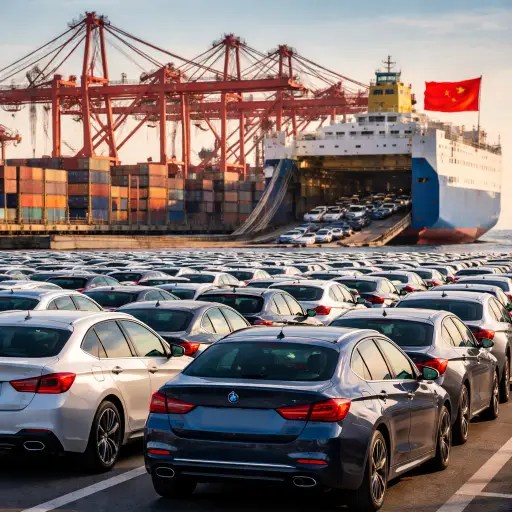
The White House’s “reciprocal tariff” architecture—rolled out in April and modified again in July—has become the defining feature of 2025 trade policy. The administration has leveraged sweeping emergency powers to threaten or impose higher duties while dangling country‑by‑country deals. Some allies inked truces by committing to big U.S. energy purchases or accepting sector‑specific levies. Others, including Switzerland, have been hit with double‑digit rates that are already distorting trade flows. A renewed deadline on China looms in mid‑August. Even where tariffs are paused during negotiations, the uncertainty itself lifts prices: importers hedge, shippers reroute and retailers pad margins to protect against the next decree. In textbook terms, tariffs are a tax on imports; in practical terms, they are a tax that shows up on shelves and in factory input costs.
LABOR ISN’T GETTING CHEAPER
A second pillar of White House strategy is the promise to tighten the labor market via immigration restrictions and enforcement. Economists across the spectrum agree that the post‑pandemic wave of immigrant workers helped relieve staffing shortages and cool wage growth in 2023–24. Reverse that flow and unit labor costs tend to rise, especially in services where productivity gains are hard to harvest. Wage trackers show pay increases drifting toward 4% year over year—lower than the peaks of 2022 but still brisk. Small‑business surveys report fewer plans to raise compensation than earlier in the year, yet shortages persist in care, construction and logistics. It’s difficult to offset tariff‑driven input costs with cheaper labor when the labor pool is shrinking.
WHY ENERGY AND SHIPPING MAY NOT SAVE YOU
Two big offsets to inflation over the past year have been energy and ocean freight. Pump prices have stayed largely range‑bound as crude trades in the mid‑$60s and OPEC+ cautiously lifts output. Meanwhile, container rates have cooled as new vessels hit the water and the early‑summer tariff panic fades. Even the Red Sea detours now look more manageable. Those tailwinds help, but they are not enough to neutralize across‑the‑board import taxes or persistent service‑sector wage pressure. If tariffs rise into the autumn and immigration flows slow further, the math points to firmer inflation prints—just as households confront back‑to‑school and holiday spending.
THE POLITICS OF POCKETBOOK PAIN
Trumpism’s economic pitch blends patriotism and price: pay a little more now to bring factories home and reset unfair trade. Voters embraced the sentiment when inflation was falling and job growth was steady. But tolerance for price creep is thin. The longer higher duties linger—and the more visibly they feed into items like appliances, apparel, cars and pharmacy co‑pays—the more politically costly they become. Business leaders who applauded the promise of leverage are demanding clarity on rules of origin and transition timelines. Governors in export‑heavy states are quietly asking for carve‑outs. Even some loyalists concede that the tariff toolkit works best as a negotiating cudgel, not a forever tax.
WHAT THE FED WILL (AND WON’T) DO
The Federal Reserve has stood pat through five consecutive meetings, insisting that it needs ‘greater confidence’ that inflation is returning to 2%. A re‑acceleration driven by tariffs and a tighter labor supply would test that patience. Yet monetary policy can’t rewrite tariff schedules or expand the workforce overnight. Rate hikes would cool demand into an election year; rate cuts risk validating fresh price pressure. The likeliest path is an extended hold while officials jawbone against one‑off shocks. That leaves fiscal and trade policy—as well as immigration rules—doing most of the near‑term work on prices.
SCENARIOS FOR THE REST OF 2025
Base case: tariffs remain high but stable, immigration inflows slow, wage growth eases only gradually, and inflation sticks in the high‑2s to low‑3s through year‑end. Upside risk: an expanded tariff sweep on China and select European sectors prompts another wave of recoding and rerouting, pushing goods prices up and core inflation toward 3%. Downside risk: a durable tariff truce plus an energy glut and softer consumer demand pull headline inflation back toward 2½% without a growth scare. Any way you cut it, volatility is the new normal.
BOTTOM LINE
This is the summit of Trump’s political summer. From here the climb gets steeper. Tariffs and a tighter labor market are popular in the abstract and expensive in practice. If inflation grinds higher into the fall, the White House will have to persuade voters that sticker shock today buys prosperity tomorrow. That’s a hard sell at the checkout line—and a harsh test of whether principle still holds when it starts costing real money.


 The Tower Post