Expropriations, protest marches and a government in a hurry: 443 properties slated for acquisition as Italy’s most polarizing project clears a key approval.
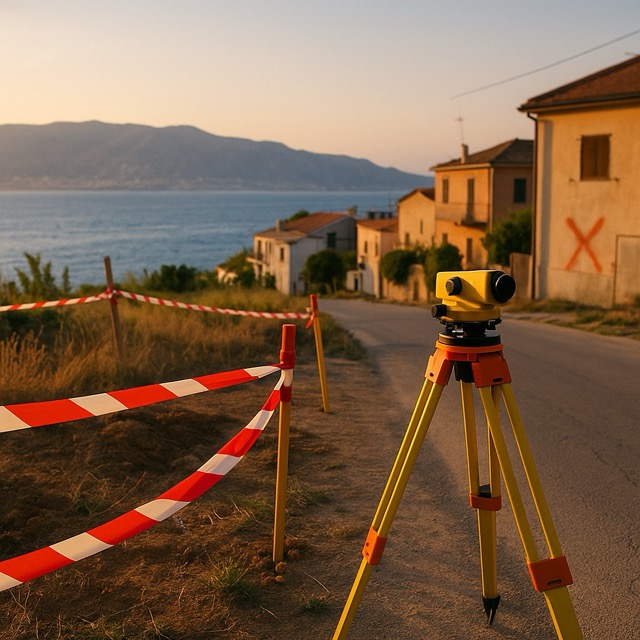
On Sicily’s northeastern tip, in the fishing villages of Torre Faro and Ganzirri, front doors have started to wear fresh numbers. They mark homes flagged for expropriation to make way for the Strait of Messina Bridge—the single‑span colossus intended to stitch Sicily to the rest of Italy. After decades of false starts, the government secured a decisive green light this week from CIPESS, the cabinet committee that signs off on strategic investments. Officials insist Italy cannot miss another window to build. For residents on both shores, the window opens onto a cliff.
WHAT WAS APPROVED THIS WEEK
On August 6, ministers confirmed definitive approval of the bridge design, keeping a 2026 start date for major works and a 2032–33 opening in view. The project crosses one of Europe’s busiest and most treacherous sea lanes with a planned 3.3‑kilometre main span—longer than Turkey’s Çanakkale 1915 Bridge—and would carry three road lanes per direction and a double‑track railway. CIPESS sign‑off lets the Stretto di Messina company finalize the executive plan over the next ten months and unlock a fresh round of site preparation on both coasts.
THE HUMAN MAP: 443 PROPERTIES IN THE WAY
The numbers behind the news are intimate. Government documents and company filings indicate 443 properties are to be acquired in the first wave, with roughly 291 on the Sicilian side and 152 along the Calabrian shore around Villa San Giovanni. A compensation reserve of about €300 million is being assembled for expropriations and for ‘hardship’ payments to households living near the future works. Officials say no one will be left without a remedy; families say remedy does not replace roots. In Torre Faro and Ganzirri, some buildings are already tagged for demolition; in Villa San Giovanni, entire blocks sit on the drawings’ red lines.
ON THE STREETS OF MESSINA
Opposition to the project is neither new nor small. In mid‑June, environmental groups mustered an estimated 3,000 people to march across the city’s north‑eastern suburbs. On Saturday night, after the CIPESS decision, Messina’s centre filled again: organisers counted roughly 7,000 demonstrators, while wire services described ‘thousands’—and some estimates climbed to 10,000. The chants were familiar—’No Ponte’—but the mood felt different. This time, bulldozers are closer.
SUPPORTERS’ CASE
Transport Minister Matteo Salvini, the project’s chief political sponsor, frames the bridge as a growth accelerant that will ‘change the destiny’ of the South: tens of thousands of jobs during construction, faster passenger and freight links, fewer ferry bottlenecks, and a symbolic assertion that Sicily is not peripheral. Business groups add that integrating rail and road could redirect long‑haul cargo flows and cut emissions by reducing ferry queues.
THE RISKS THAT KEEP CRITICS MARCHING
Critics point to seismic risk across the strait’s fault lines; to winds and vortices that make the channel an engineering gauntlet; and to the megaproject’s track record of delays and overruns. They warn that demolition clusters and years of heavy works would hollow out neighbourhoods whose economy revolves around small shops, fishing and summer rentals. Green groups have filed fresh complaints with the EU over impacts on bird migration and marine habitats. Local committees say the €13.5‑billion budget should instead harden water systems, upgrade existing rail and fix roads that already collapse in winter storms.
EXPROPRIATION, EXPLAINED
Under Italy’s public‑utility rules, the state can acquire private property at market value with additional indemnities, determined by agreement or, failing that, by an administrative or judicial process. For the bridge, the government has signalled ‘enhanced’ packages: higher valuation multiples, relocation help and bonuses for early agreements. The catch, residents say, is time. Even generous offers may not cover the hidden costs of rebuilding a life elsewhere, especially for multigenerational homes with mixed titles and informal additions. Lawyers expect months of cadastral disputes and challenges that will test the schedule.
POLITICS AND THE CALENDAR
CIPESS approval does not end the fight. The next 6–12 months bring an executive plan, tendering rounds and a critical audit by Italy’s Court of Accounts. Any adverse finding, cost spike or court ruling could slow the timetable into the next electoral cycle. For the government, momentum is a political asset; for opponents, delay is a strategy. Both sides understand that once pylons rise, the argument changes.
BOTTOM LINE
The bridge is more than an engineering bet. It is a wager that a megaproject’s promised future outweighs the immediate rupture of communities asked to move for it. This summer’s protests—and those new numbers stamped on old doorways—show how hard that bargain will be to sell.




 The Tower Post