From Juicy Couture to Juicy Profits, the Nostalgic Appeal of 2000s Fashion
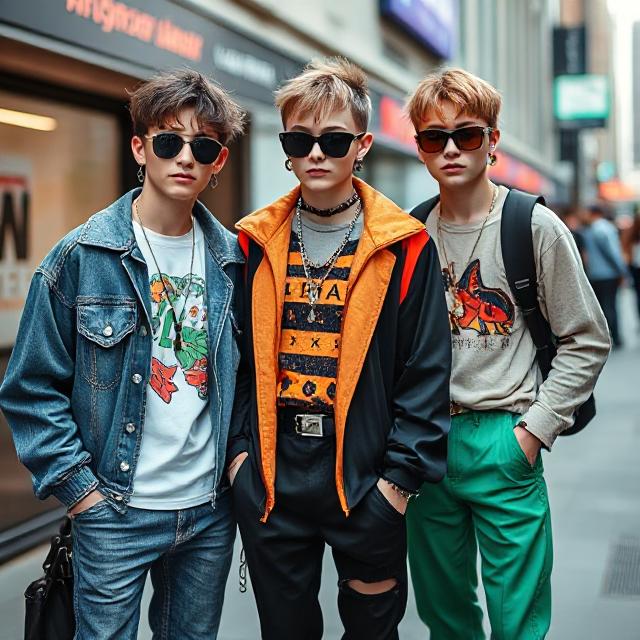
In a bizarre twist of fashion history, the early 2000s aesthetic is experiencing a resurgence in popularity among Generation Z. From Juicy Couture sweat sets to chunky belts and baby tees, the once-maligned styles of the Y2K era are now highly sought after by fashion-conscious college students and TikTok influencers. The phenomenon has sparked a thriving market for vintage clothing, with online resale shops and second-hand stores cashing in on the trend.
According to experts, the 20-year cycle of fashion history is to blame for this nostalgic appeal. “Prior to Y2K styles being back, we saw a lot of ’90s styles being back,” said New York City-based fashion historian Emma McClendon. “This 20-year cycle is just long enough for a younger generation to be able to find the fashions of their parents’ generation, something that they can remember but only in the abstract, as quaint or interesting and kind of available for reinterpretation and adoption in their 20s.”
The resurgence of Y2K fashion has also been fueled by the growth of the internet and social media, which has made it easier for people to buy, sell, and trade vintage clothing online. Jocelyn Brown, owner of the online resale shop Arkival Storehouse, has built a living off this nostalgia by purchasing vintage clothes from thrift stores and antique malls, upcycling them, and reselling them online.
“I’m really specific about what I put on my racks, and I may have more than what I bring… or I separate it out into different collections,” Brown said. “People really like when something is curated and it feels like an experience.”
Resale stores are also cashing in on the trend, with Apocalypse, a resale shop in Boulder, Colo., reporting that about 75 percent of its inventory is Y2K-era clothing. Staff at the store specifically watch out for micro miniskirts, vintage Victoria’s Secret lingerie tanks, and baby tees, which are highly sought after by customers.
The sustainable nature of buying secondhand is also appealing to consumers, experts say. “Gen Z has this awareness of fashion sustainability and the ills of mainstream mass fashion, and the idea that you can shop responsibly by shopping secondhand without sacrificing style and individuality,” said Lauren Downing Peters, an associate professor of fashion studies at Columbia College Chicago.
Moreover, the nostalgia surrounding Y2K fashion is also driven by the desire to connect with the past and the memories associated with it. “People are wanting to show who they are authentically and be able to experiment with clothing,” said Nell Tercek, an assistant manager at Apocalypse. “Y2K style is really flashy and very exciting and visually enticing.”
As for what comes next, McClendon says 2010s style could be on the horizon, so hold on to those infinity scarves, skinny jeans, or combat boots you may have tucked away. “The 2000s and the 2020s have a lot in common, in terms of technology booms and catastrophic events,” she said. “At the start of the 2000s we had 9/11, we had a restructuring of how people thought about the world, how people thought about themselves, how people thought about politics. I think the global pandemic can be a really interesting comparative to that restructuring.”
The Y2K resurgence has also sparked a renewed interest in vintage fashion, with many consumers seeking out unique and one-of-a-kind pieces. “People are looking for something that stands out from the crowd,” said Brown. “They want to be able to express themselves through fashion, and vintage clothing offers a way to do that.”
In conclusion, the Y2K resurgence is a fascinating example of how fashion can be cyclical and how nostalgia can drive consumer behavior. As the trend continues to evolve, it will be interesting to see how consumers adapt and what the future holds for vintage fashion.




 The Tower Post