A Steep Hike in Tariffs May Cool the Luxury Watch Market
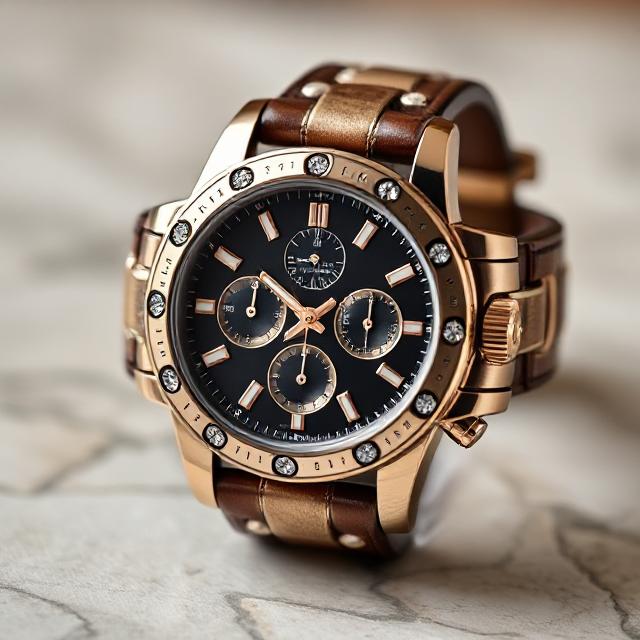
Gen Z’s fascination with luxury watches has been one of the most surprising consumer trends in recent years. The expensive hobby has reshaped an industry long dominated by older collectors, with American youth embracing luxury timepieces as status symbols. However, a steep tariff hike on Switzerland could threaten this market. A 39% U.S. tariff on Switzerland could make luxury watches more expensive, and potentially less attainable for first-time buyers.
The tariff, imposed during President Donald Trump’s latest round of tariffs, hits the world’s most important market for Swiss watch exports. From January to June, the U.S. overtook Japan and China as the top destination, with $3.17 billion worth of Swiss watches shipped. “Companies cannot realistically absorb the tariff, which means retail prices in the U.S. will rise sharply,” Marcus Altenburg, managing partner at Swiss law firm Goldblum & Partners, said.
For American buyers, especially younger ones, the math is straightforward: prices are going up. Anish Bhatt, a millennial “watchfluencer” with 1.6 million followers on Instagram, told Fortune that the added cost may push Americans to buy while traveling in Europe, where they can sometimes reclaim value-added tax (VAT), and bring pieces back themselves, potentially avoiding tariffs altogether.
The shift to secondhand watches is already underway, as availability in the primary market is so limited. A 2024 report by Watchfinder & Co. found that 41% of Gen Z aged 16 to 26 came into possession of a luxury watch the previous year. Individuals in this age bracket who are ready to buy a luxury timepiece said $10,870 would be the starting point for their next purchase.
Industry analysts predict a 12%-14% increase in store prices if brands pass on the cost to consumers. “For many American collectors, the 39% tariff instantly turned new releases from Swiss brands into a luxury few can justify,” Joshua Ganjei, CEO of European Watch Company in Boston, said. “The pre-owned market is now the best option for value and immediate availability—no import headaches and no sticker shock.”
While the added cost may push Americans to buy secondhand or from domestic sellers, watchfluencer Bhatt said younger consumers still crave the “social currency” that comes with a Rolex, Patek Philippe, or Audemars Piguet, even if they pay more to get it. “They also understand the status that it gives them,” Bhatt said. The social cachet of a Swiss-made watch plays out daily on social media platforms like TikTok, Instagram, and influencer channels, boosting aspirational demand.
The added cost may also push mid-tier Swiss names without top brand prestige to slow down sales. “Companies cannot realistically absorb the tariff, which means retail prices in the U.S. will rise sharply,” Altenburg said. The tariff hike may have far-reaching consequences for the luxury watch industry, and only time will tell how American buyers will adapt to the new market dynamics.



 The Tower Post