From Wasteland to Tourist Attraction: The Club’s £800m Venue Set to Turbo-Charge Change
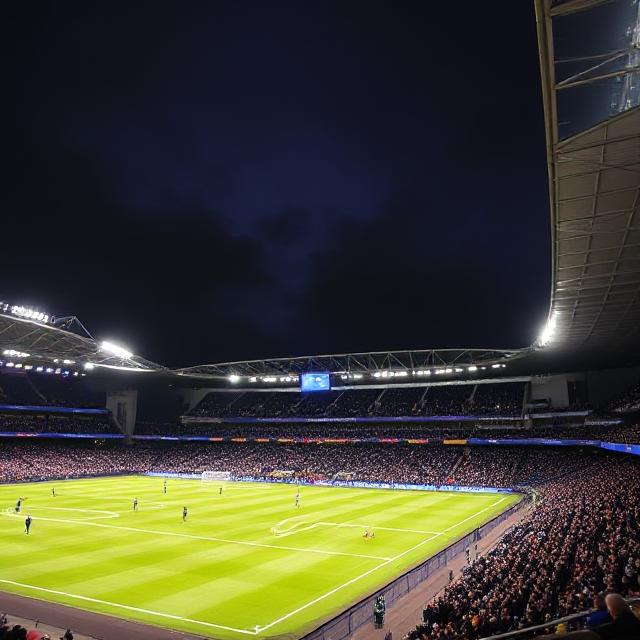
In a once-neglected area of north Liverpool, a new era is dawning. Everton’s long-awaited £800m stadium, Hill Dickinson Stadium, is set to transform the city’s waterfront with its stunning design and state-of-the-art facilities. This weekend, the stadium will host its first competitive game, marking a significant milestone for the club and the local community.
The area surrounding the stadium, once a bleak expanse of industrial wasteland, is now teeming with activity. Holidaymakers, including cruise-ship passengers, have been drawn to the stadium’s vicinity, with some even taking guided tours of the site. Local businesses, such as The Terrace bar, have also been boosted by the stadium’s presence, with owners optimistic about the area’s future growth.
“We’re going to become our own village, our own hub,” said The Terrace’s manager, Becki Heron. “I think it will be unrecognizable in two years’ time. We’ll have restaurants, takeaways, shops, and more pubs. It’s an exciting time.”
According to local residents, the area’s transformation has been years in the making. “This part of town used to be a no-go area,” said Bill Kinsella, a lifelong Evertonian from Bootle. “But now, it’s starting to look like a proper place. The stadium is the catalyst for all this change.”
However, not everyone is convinced about the stadium’s impact. Liverpool Waterfront North councillor Dave Hanratty has expressed concerns about the area’s gentrification, citing the need for a balance between development and community needs.
“We need to ensure that we have the right balance in this area,” said Hanratty. “We don’t want to push out the existing community. We want to work with them to create a vibrant and inclusive area that benefits everyone.”
Despite these concerns, Everton’s new stadium is being hailed as a catalyst for change in the area. The club’s American owner, The Friedkin Group, has also announced plans to develop Nelson Dock next door, further solidifying the area’s potential for growth.
The stadium itself has received high praise from fans and critics alike, with its unique design and state-of-the-art facilities setting a new standard for football grounds. The stadium’s US architect, Dan Meis, has said that the design was inspired by the traditional warehouses and docklands of Liverpool.
“We wanted to create a stadium that reflected the city’s industrial heritage,” said Meis. “We’ve used a combination of traditional and modern materials to create a unique and iconic building that will be a symbol of Everton’s place in the city.”
The stadium’s facilities are also state-of-the-art, with a seating capacity of 52,769 and a range of amenities, including restaurants, bars, and a museum. The stadium’s outdoor plaza can hold events for up to 17,000 people, making it a major tourist attraction in its own right.
As Everton prepares to take on Brighton in its first competitive game at the new stadium, the city of Liverpool is abuzz with excitement. Whether the stadium can live up to its promise remains to be seen, but one thing is certain: this weekend marks the beginning of a new chapter for both the club and the local community.
“We’re all excited about the new stadium,” said Everton’s manager, David Moyes. “But we know that the real test will be on the pitch. We need to build a football club that can compete with the best in the league.”
For the local community, the stadium’s impact is already being felt. “It’s not just about the stadium,” said Kinsella. “It’s about the people who live and work here. We’re proud of our community, and we’re excited to see what the future holds.”




 The Tower Post