Seven Nasdaq-listed penny stocks collapse after social media hype, leaving retail investors nursing heavy losses
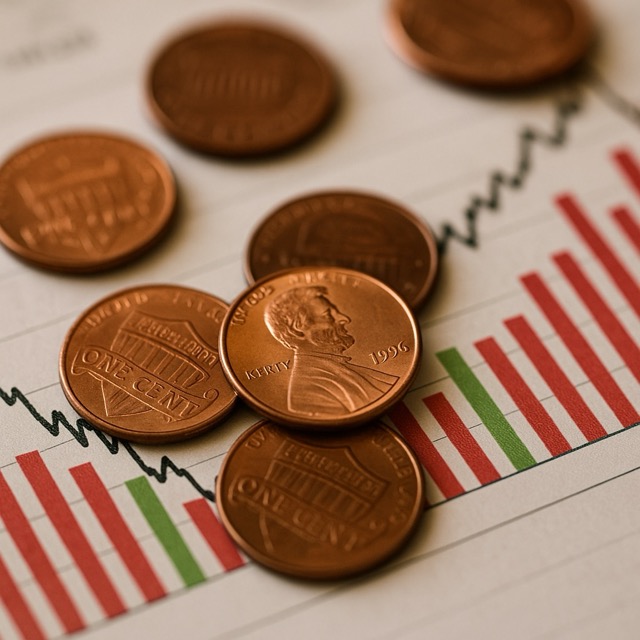
In July 2025, U.S. financial markets witnessed a brutal reminder of the risks tied to penny stocks. Investors poured billions of dollars into seven Nasdaq-listed microcap companies after they were aggressively promoted across social media platforms. Within weeks, the stocks collapsed, wiping out fortunes and reigniting debate over the regulation of online stock promotion.
The frenzy began in late June, when influencers on TikTok, YouTube, and Reddit started spotlighting small, little-known companies with share prices under five dollars. Videos and posts, many dressed in the language of financial empowerment and “don’t miss the next big thing,” went viral, pushing thousands of retail traders into the market.
Trading volumes for these microcaps surged tenfold, some even briefly trending above blue-chip stocks in daily turnover.
But the excitement quickly turned into devastation. By mid-July, the seven promoted companies — including firms in biotech, renewable energy, and obscure fintech projects — had lost between 70% and 95% of their value. Analysts estimate that retail investors collectively lost over $4.8 billion during the crash.
A Familiar Story with a Modern Twist
Market historians see the July collapse as the latest incarnation of the “pump-and-dump” cycle, a tactic as old as Wall Street itself. Traditionally, promoters inflate the price of thinly traded stocks through exaggerated claims before quietly selling their own holdings.
The difference in 2025, analysts argue, is the unprecedented power of social media virality.
“Information spreads faster than ever,” said Diane Mercado, an equity strategist at Stonefield Research. “Millions of retail investors can be reached within hours, and when the message is cloaked in community-driven language, people feel they are joining a movement rather than speculating.”
The Securities and Exchange Commission (SEC) has confirmed it is investigating the coordinated online campaigns. Officials are scrutinizing whether undisclosed influencers received compensation from the companies or third parties to push the stocks. So far, no formal charges have been announced, but regulators have issued warnings reminding investors that “online popularity is not a substitute for financial fundamentals.”
The Human Cost
For many small investors, the losses are devastating. Online forums are filled with posts from individuals claiming to have lost their savings after following the hype. One 28-year-old retail trader from Ohio wrote, “I believed I was getting in early on the next Tesla. Now my account is almost empty. I don’t know how I’ll pay rent.”
Stories like this have amplified calls for stricter safeguards. Consumer protection groups argue that platforms should be held accountable for hosting financial promotions without clear disclaimers. Meanwhile, brokerage firms are facing scrutiny for allowing leveraged trades in such volatile securities.
Social Media’s Role Under the Microscope
This episode has intensified debate over the responsibilities of social media platforms. Much as misinformation about health or politics has forced companies like Meta and TikTok to adopt stricter content rules, financial misinformation is becoming the next battleground. Analysts warn that unless platforms curb misleading financial content, similar episodes could recur with increasing frequency.
“Retail traders are being gamified into financial ruin,” said Marcus Lee, professor of finance at NYU Stern. “The combination of dopamine-driven social media and speculative trading is toxic. We need digital literacy for finance as much as we do for news.”
TikTok and YouTube both released statements saying they are reviewing the flagged content and considering new policies on financial promotions. Reddit, whose forums were central to the GameStop saga of 2021, said it will continue to moderate for spam but defended its role as a space for free discussion.
Market Reaction and Broader Implications
While the seven penny stocks at the center of the storm were too small to shake the broader Nasdaq index, the episode has left ripples in the market. Institutional investors report growing caution toward microcap companies, while some brokers have tightened rules on speculative trades. Short-sellers, meanwhile, profited handsomely, with some hedge funds recording gains of over 40% in July thanks to their bearish bets.
The incident also comes at a politically sensitive time. With the 2024 election aftermath still fresh, lawmakers are eager to show they are protecting everyday Americans from financial harm. A bipartisan group in Congress has already proposed new legislation requiring transparency in online financial endorsements, akin to rules governing advertising in other industries.
Lessons for Investors
Financial advisors say the July meltdown underscores an old lesson: penny stocks are risky by nature. They are often thinly traded, subject to wild swings, and backed by companies with unproven business models. When hype replaces research, losses are almost inevitable.
“Every cycle teaches the same thing,” said Mercado. “If something sounds too good to be true, it probably is. And in today’s world, if it’s going viral on social media, you should be doubly cautious.”
As August begins, many of the fallen penny stocks trade for mere cents, and chatter about them online has dwindled. For the retail traders left holding the bag, the experience has been a painful initiation into the realities of speculative markets. For regulators and platforms, the July crash may mark a turning point in how online financial promotion is monitored.
One thing is certain: the digital age has given an old Wall Street gamble new reach, new speed, and new victims. Whether the next wave of regulation can keep up remains to be seen.




 The Tower Post