The Dayton Accords ended a brutal war but froze Bosnia in a fragile peace. As Israelis and Palestinians search for a path forward, Bosnia’s lessons—both successes and failures—offer valuable insights.
International Affairs Analysis
Thirty years ago, in the winter of 1995, negotiators gathered at a U.S. airbase in Dayton, Ohio, to forge a peace agreement that would end one of Europe’s bloodiest conflicts since World War II. The Dayton Accords, signed in December of that year, halted the Bosnian war and established a framework for coexistence among Bosnia and Herzegovina’s warring ethnic groups: Bosniaks, Croats, and Serbs.
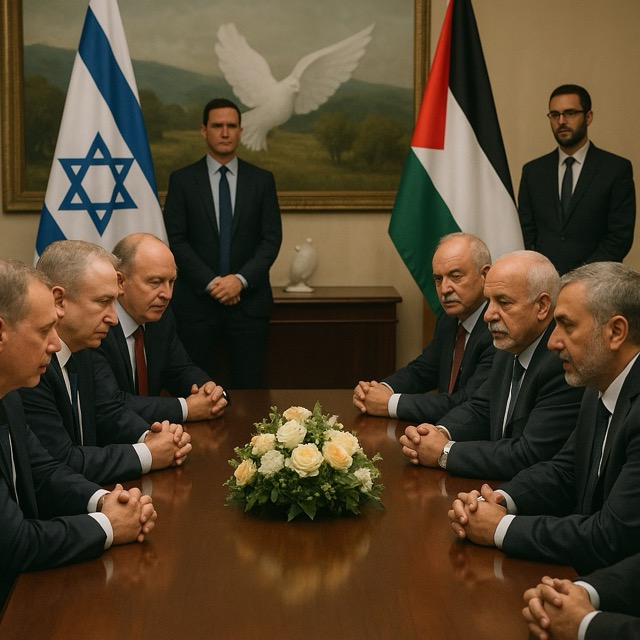
Today, as Israelis and Palestinians wrestle with the latest spiral of violence and the seeming impossibility of a durable settlement, Dayton re‑emerges not as a blueprint to copy, but as a cautionary tale with crucial lessons.
A Peace That Stopped the Guns, But Not the Divisions
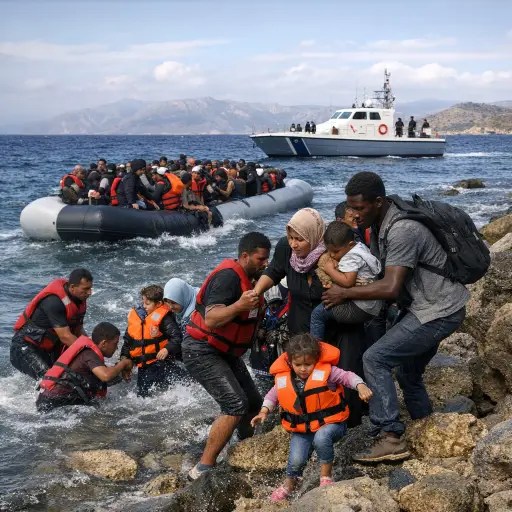
The first and perhaps most important achievement of Dayton was simple: it stopped the war. By the time the accords were signed, more than 100,000 people had been killed and millions displaced. The agreement froze the battlefield, dividing Bosnia into two semi‑autonomous entities under a weak central state.
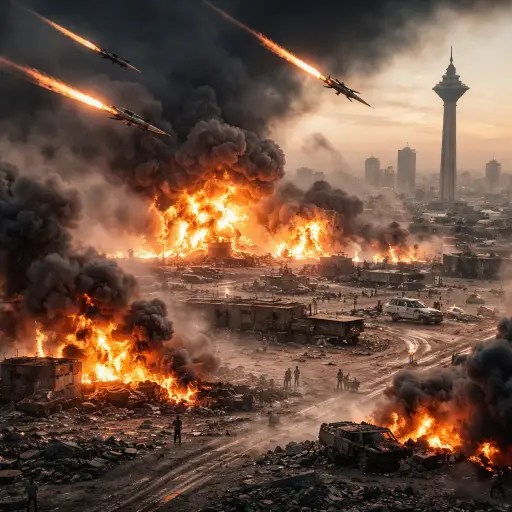
For Israelis and Palestinians, the parallel is obvious. Ceasefires and truces may halt immediate bloodshed, but without addressing deeper political and social grievances, they risk producing an uneasy quiet rather than genuine reconciliation. Bosnia demonstrates that a peace focused solely on ending violence can succeed at stopping the guns but fail to heal the wounds.
The Dangers of Institutionalizing Ethnic Divisions
Dayton’s power‑sharing arrangement was designed to guarantee representation for each ethnic community. Yet it also entrenched divisions, making ethnicity the cornerstone of politics. Bosnia remains trapped in a system where loyalty to ethnic leaders often outweighs commitment to the state as a whole.
For Israelis and Palestinians, the warning is clear: any arrangement that rigidly encodes identity into constitutional structures may preserve balance in the short term but risks cementing divisions indefinitely. A peace that recognizes communities must also create mechanisms for cross‑community cooperation and shared institutions.
International Mediation: Indispensable, But Not Omnipotent
Dayton would not have been possible without heavy U.S. involvement and NATO’s subsequent peacekeeping mission. International pressure and guarantees provided the leverage to bring hostile leaders to the table and ensure initial compliance.
In the Middle East, outside actors—whether the United States, the European Union, or regional powers—remain essential to bridging gaps that neither side can close alone. Yet Dayton also shows the limits of external mediation: foreign guarantors can stop the fighting, but they cannot manufacture trust or nation‑building from the outside.
The Price of Postponed Justice
Critics of Dayton note that justice was sacrificed for expediency. Suspected war criminals sat at the negotiating table, and accountability came only years later through international tribunals. The compromise ended the war but delayed the reckoning with atrocities.
For Israelis and Palestinians, this raises a difficult question: can peace be built while justice is deferred? Or must accountability and reconciliation move hand in hand? The Bosnian case suggests that sidelining justice may secure short‑term calm but leaves open wounds that hinder long‑term stability.
A Lesson in Pragmatism—and its Limits
Ultimately, the Dayton Accords reflect both the necessity and the insufficiency of pragmatism. They delivered what was possible at the time—stopping the war—but could not chart a vision for a shared future.
As Israelis and Palestinians search for a path beyond violence, Bosnia’s history reminds us that ending conflict is only the first chapter. A sustainable peace requires institutions that transcend identity politics, international support that empowers rather than dominates, and a reckoning with justice that is not indefinitely postponed.
Thirty years on, Bosnia is still at peace, but still fractured. The lesson is not to replicate Dayton but to learn from its gaps. For Israelis and Palestinians, the challenge is not only to silence the guns, but to build a political order in which both peoples can live securely, with dignity and a shared stake in the future.


 The Tower Post