Breaking Free from Fast Fashion’s Grasp and Embracing a More Sustainable Wardrobe
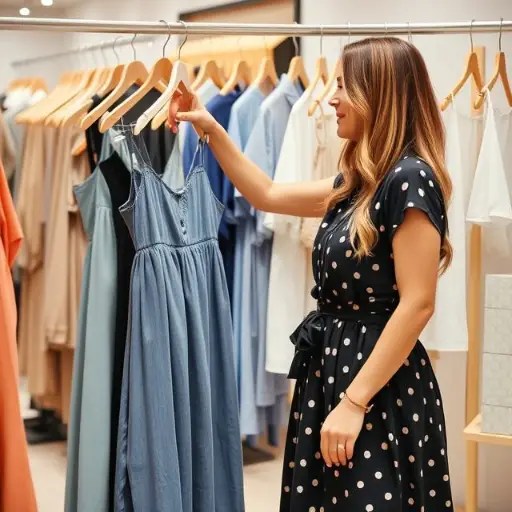
As consumers, we’re often led to believe that the latest trends and cheap prices are the key to staying fashionable. However, the truth is that fast fashion comes with a steep environmental and financial cost. According to recent statistics, the fashion industry generates a staggering 92 million tons of textile waste annually – equivalent to dumping one garbage truck of clothing into landfills every second. Meanwhile, the average garment gets worn just seven times before disposal. This staggering waste has serious consequences for the planet, with the fashion industry being one of the largest polluters in the world.
Avery White, a former financial analyst turned journalist, has made it her mission to expose the flaws of the fast fashion industry and to promote a more sustainable approach to fashion. In her latest article, she argues that the solution lies in investing in quality over quantity. “Building a capsule wardrobe that works is the key,” she explains. “It’s about choosing pieces that transcend seasonal trends and will last for years to come.”
White’s approach is centered around the concept of a 30-40 item wardrobe that can create 100+ outfit combinations. The ideal pieces are those that are made from durable, natural materials and have a timeless appeal. “Think classic silhouettes in neutral colors,” she advises. “Each item should work with at least three other pieces in your wardrobe.” This approach not only reduces waste but also saves time and money in the long run.
One of the most essential items in White’s capsule wardrobe is a high-quality white button-down shirt. “I used to think all white shirts were created equal, but that’s not true,” she says. “A $120 organic cotton shirt is a game-changer. It’s substantial, breathable, and will last for years to come.” White recommends looking for 100% organic cotton or linen shirts that feel substantial in your hands. These materials are not only better for the environment but also more comfortable to wear.
Another key item is a dark wash straight-leg jean. “I used to fall for trendy cuts, but they’re just not worth it,” White explains. “A classic straight-leg fit is timeless and versatile. It’s something you can wear with anything from a blazer to a t-shirt.” White also recommends investing in high-quality denim made from sustainable materials such as recycled cotton or Tencel. These materials not only reduce waste but also make the jeans more durable and comfortable to wear.
Investing in quality also extends to shoes, with White advocating for well-made shoes made from natural materials such as cork or apple leather. “Cheap shoes are literally painful,” she says. “But a good pair of shoes can make all the difference in terms of comfort and style.” White recommends looking for shoes with actual arch support and cushioning, as these features can make a big difference in terms of comfort.
For those looking to make the switch to a more sustainable wardrobe, White offers some practical advice. “Start with a closet audit,” she suggests. “What do you actually wear regularly? What gaps exist in your current wardrobe?” This exercise can help you identify areas where you can improve your wardrobe and reduce waste.
White also recommends setting a cost-per-wear threshold before shopping. “If a $100 item gets worn 50 times over two years, that’s $2 per wear – reasonable for quality construction,” she explains. “If you’ll only wear it five times, that’s $20 per wear – probably not worth it.” By considering the cost-per-wear, you can make more informed purchasing decisions and avoid buying items that will only be worn a few times.
Finally, White suggests shopping seasonally rather than constantly. “Buying a few quality pieces twice a year prevents the temptation of constant browsing and impulse purchases,” she recommends. This approach not only reduces waste but also saves time and money.
Ultimately, the key to breaking free from fast fashion’s grasp is to adopt a mindset of patience and strategic shopping. “Quality doesn’t always mean expensive,” White says. “It’s about making a smart investment in pieces that will last for years to come.” By investing in quality over quantity, we can create a more sustainable wardrobe that not only benefits the planet but also saves us time and money in the long run.




 The Tower Post