A Quarter-Century After Windows XP, the Ghosts of the Past Remain
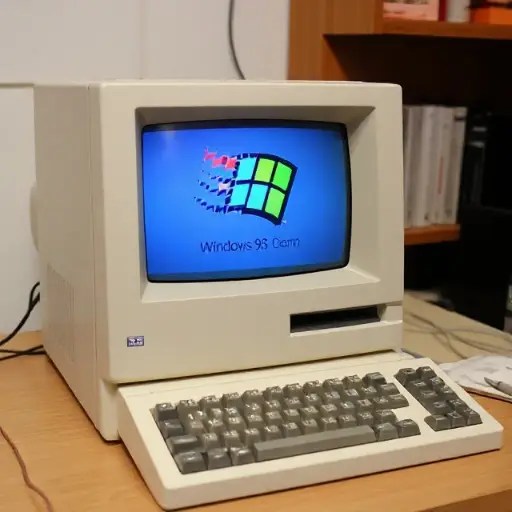
As technology marches on, some people get trapped using decades-old software and devices. The people stuck using ancient Windows computers are a testament to the enduring legacy of Microsoft. From the elevators in New York City hospitals to the trains in Germany and the United States, Windows machines continue to chug along, gathering dust long after they first booted up.
In a hospital in New York City, a Windows XP error message glared back at a visitor, a stark reminder of the outdated technology still in use. The hospital’s 14th-floor elevator, built with state-of-the-art machines, was a relic of the past, a testament to the company’s hold on the digital infrastructure. “In a way, Windows is the ultimate infrastructure,” says Lee Vinsel, an associate professor at Virginia Tech, who studies the maintenance and repair of old technology. “Their systems are built into everything around us, and the fact that we have all of these ancient examples around is the story of the company’s overall success.”
Microsoft’s legacy is evident in the many places where Windows machines are still in use. In the United States, many ATMs still operate on legacy Windows systems, including Windows XP and Windows NT, which was released in 1993. The challenge with upgrading these machines lies in the high costs associated with hardware compatibility, regulatory compliance, and the need to rewrite proprietary ATM software. “The thing is a tank,” says Scott Carlson, a woodworker in Los Angeles, who relies on a Windows XP machine to run his CNC machines. “But it’s getting more and more errors. It was practically a brick.”
In the US, the Department of Veterans Affairs (VA) has been trying to overhaul its outdated computer system for almost 25 years. The VA’s Computerized Patient Record System (CPRS) was launched in 1997, but it works on top of an even older system called VistA, which was first introduced in 1985. The VA is now on its fourth attempt to replace it with a modern health record system used by the US Department of Defense by 2031.
However, old computers are not always a burden. In the US, Dene Grigar, director of the Electronic Literature Lab at Washington State University, Vancouver, spends her days in a room full of vintage computers dating back to 1977. She’s dedicated to preserving the early days of computing, when artists, writers, and programs were defining what art and storytelling would mean in the new digital world.
The legacy of Microsoft is a testament to the company’s success in securing business clients. “Microsoft took the approach of letting organisations leverage the hardware they already have and chasing them for software licenses instead,” says M Scott Ford, a software developer who specialises in updating legacy systems. “They also tend to have a really long window for supporting that software.” The approach gave Microsoft a huge advantage in securing business clients, and it’s part of why these old Windows machines hang around for so long.
As the world moves forward with new technology, the ghosts of Windows’ past will continue to haunt us. But for those stuck using these machines, the experience is often tedious and frustrating. For psychiatrist Eric Zabriskie, who used to work at the VA, the experience was excruciatingly slow. “I had to get to the clinic early because sometimes it would take 15 minutes just to log into the computer,” he says. “Once you’re in you try to never log out. I’d hold on for dear life.”
The story of Microsoft’s legacy is one of success and failure, of innovation and stagnation. As the company continues to bet on AI and dump tens of billions of dollars into bleeding-edge technology, it’s clear that its impact on society will be felt for years to come.




 The Tower Post