Analysts warn that Moscow’s strategy may extend far past Eastern Ukraine, reshaping Europe’s security order.
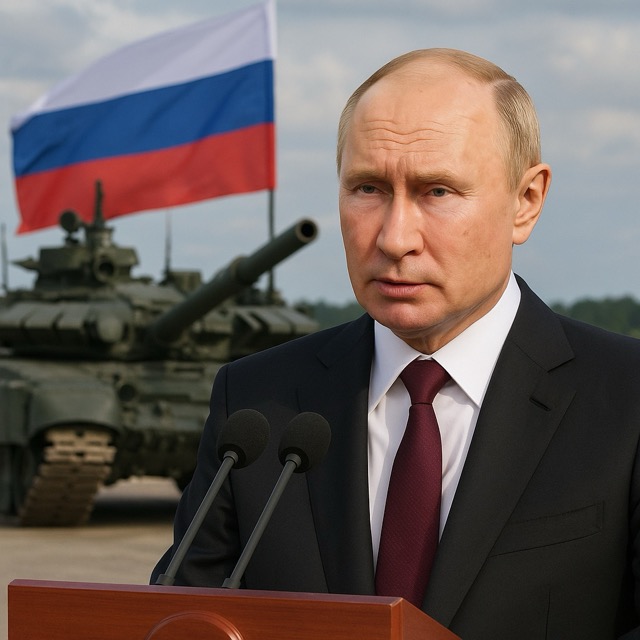
August 2025 — The war in Ukraine, now in its fourth year since Russia’s full-scale invasion, has entered a critical new phase. While international attention has largely focused on the occupied territories of Donetsk, Luhansk, and parts of southern Ukraine, military analysts and Western intelligence sources warn that Vladimir Putin’s ambitions are unlikely to stop at Ukraine’s borders. The Kremlin’s long-term strategy, they argue, envisions a broader restructuring of Eastern Europe’s security map — one that could place NATO and the European Union under direct pressure in the coming years.
A Calculated War of Attrition
Russia’s military strategy in Ukraine has shifted from rapid conquest to grinding attrition. After the failure of its initial assault on Kyiv in 2022, Moscow regrouped, entrenching itself in eastern and southern Ukraine. With vast resources, a resilient defense industry, and backing from non-Western allies, Russia has been able to sustain both military operations and domestic support for the war. “What we are seeing is not just about Ukraine,” says Colonel Anders Johansen, a NATO analyst. “This is a test case. If Russia consolidates gains, it will look westward again.”
Signs of Broader Intentions
Evidence of Moscow’s wider ambitions has been mounting. Russian state media increasingly frames the conflict not as a bilateral war with Ukraine, but as a civilizational struggle against the West. Propaganda narratives depict Eastern Europe — from Moldova to the Baltics — as regions historically tied to Russian influence. Western intelligence agencies have also reported intensified cyberattacks, disinformation campaigns, and political interference in countries bordering Ukraine.
In Moldova, concerns are acute. The Russian-backed enclave of Transnistria has become a potential flashpoint, with Russian operatives allegedly reinforcing local militias. In the Baltic states, NATO has recorded frequent airspace violations and covert intelligence operations. Poland, too, has seen a surge of hybrid warfare tactics, ranging from energy pressure to destabilizing propaganda campaigns.
Western Response: Unity Tested
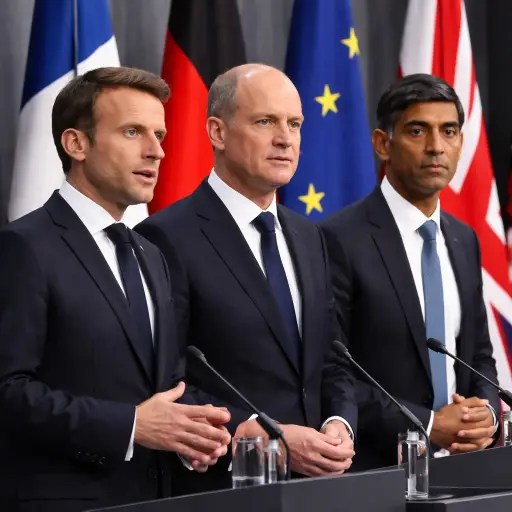
The United States and European allies continue to provide Ukraine with military and financial assistance. However, as the war drags on, unity has shown cracks. Some European governments face mounting domestic opposition to prolonged aid packages, especially amid inflation and energy instability. In Washington, the 2024 presidential election reshaped the political landscape, creating uncertainty about the depth of long-term U.S. support.
Despite these challenges, NATO has reinforced its eastern flank, stationing additional troops in Poland, Lithuania, and Romania. Leaders emphasize that collective defense under Article 5 remains non-negotiable. Yet, privately, diplomats admit that if Russia were to target a non-NATO state such as Moldova or Georgia, the West’s options could become dangerously limited.
Historical Parallels
Observers note that Putin’s rhetoric increasingly mirrors that of past imperial projects. His recent speeches invoke not only the legacy of the Soviet Union but also the Tsarist empire, portraying Russia as the rightful protector of Slavic and Orthodox populations beyond its borders. “It’s a worldview where Russia is incomplete without control over its near-abroad,” explains historian Olga Reshetnikova. “That ideology suggests this war won’t simply end with a frozen conflict in Ukraine.”
The Human Cost
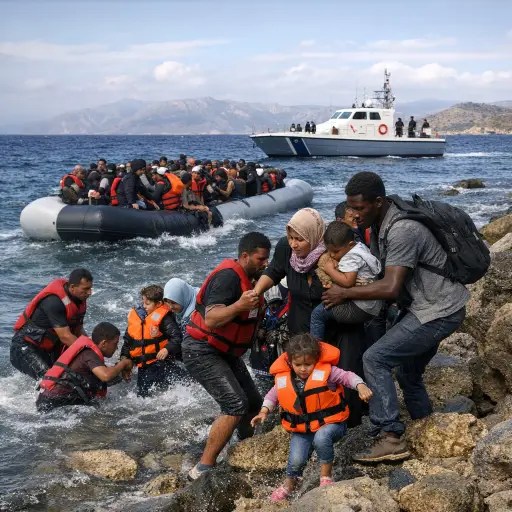
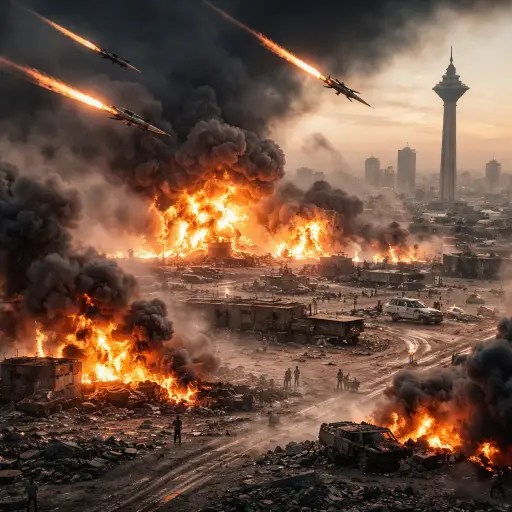
Amid these geopolitical maneuvers, ordinary Ukrainians continue to pay the highest price. Cities such as Kharkiv, Odesa, and Zaporizhzhia have endured relentless bombardments, while millions remain displaced across Europe. Humanitarian organizations warn that the crisis could escalate further if Russian ambitions spill into new territories. Refugee flows, already at historic levels, could multiply.
Looking Ahead
As autumn approaches, the question is no longer whether Russia can hold its occupied zones, but whether the Kremlin will escalate its reach. Analysts speculate that limited incursions, cyber warfare, or political destabilization campaigns against NATO’s eastern members could be Moscow’s next moves — testing Western resolve without triggering all-out war.
For now, Ukraine remains the frontline. But for European leaders, the grim reality is setting in: the struggle with Russia is not confined to Ukraine. It is a broader contest for the future of Europe’s security order, one that may define the continent for decades to come.
 The Tower Post